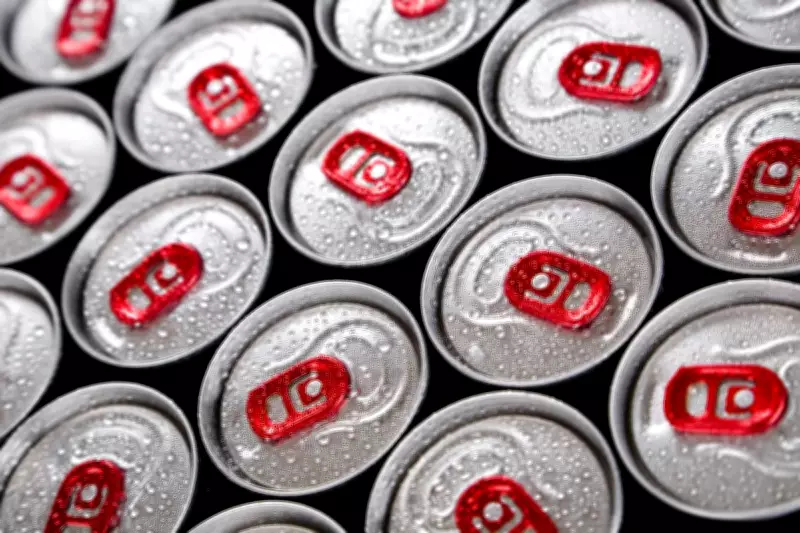
Paraxanthine, a compound naturally produced when the body breaks down caffeine, is beginning to surface in energy drinks and select coffee products as a potential alternative to traditional caffeine. Brands are promoting this ingredient for its ability to deliver a steadier form of alertness, often described as focused, clean energy without the common side effects of jitters or crashes.
The Rise of Paraxanthine in Beverages
A growing number of beverage and supplement companies are exploring paraxanthine as an alternative stimulant. Some coffee brands have also started experimenting with the compound, positioning it as a novel method to enhance alertness without relying on caffeine. This trend is part of a broader search for caffeine alternatives as drink manufacturers seek to stand out in a competitive market. It aligns with the increasing popularity of functional drinks that promise benefits like sharper focus and sustained energy.
The concept behind paraxanthine is straightforward: since it is responsible for many of caffeine's stimulant effects after metabolism, using it directly might yield similar alertness with fewer adverse reactions. However, the scientific backing for these claims is still in its early stages. Much of the current knowledge about paraxanthine stems from small-scale studies or research initially focused on understanding caffeine metabolism.

How Paraxanthine Works
Paraxanthine is the primary metabolite produced when the body processes caffeine. Similar to caffeine, it promotes wakefulness by blocking adenosine, a chemical messenger in the brain that accumulates sleep pressure throughout the day. By reducing adenosine signaling, individuals often experience increased alertness, with temporary improvements in attention and reaction time.
Early research indicates that paraxanthine may enhance mental performance. Small studies have reported benefits in attention, reaction time, and short-term memory compared to a placebo, with effects sometimes lasting up to six hours after a 200mg dose. A recent study even suggests that paraxanthine could outperform caffeine in cognitive performance post-exercise. Nonetheless, the evidence remains limited, and independent replication is sparse. Ongoing or recently completed trials testing doses of 200 to 300mg aim to clarify how these findings apply to everyday use.
Safety and Regulatory Considerations
Beyond its potential cognitive benefits, the safety of paraxanthine is still under investigation. Preliminary laboratory work suggests the compound does not cause DNA damage and appears relatively safe in standard animal toxicology tests. These findings are promising, but they largely rely on animal studies rather than long-term human research. Compared to caffeine, which has decades of extensive study, paraxanthine has far fewer human trials.
Regulators are currently evaluating paraxanthine. In Europe, it is being assessed as a novel food. A public summary of this review notes that small, short-term studies in adults involving doses up to 200mg daily for a week were well tolerated. However, regulators caution that paraxanthine lacks a long history of use in foods and should carry similar warnings as caffeine, meaning it is not recommended for children or during pregnancy.
Some paraxanthine-based beverages contain approximately 200 to 300mg per serving, comparable to the stimulant dose in strong coffee or high-caffeine energy drinks. Consumers should consider this as part of their total daily stimulant intake.
Claims vs. Reality
Companies often market paraxanthine products as providing clean or smoother energy, though these terms lack formal scientific definition. Some users report that paraxanthine feels smoother than caffeine, with less of a sudden energy jolt, but large, independent head-to-head trials comparing the two are lacking.
Research on paraxanthine suggests its effects on attention and alertness can last several hours, consistent with findings from small experimental trials. However, these studies were conducted under controlled conditions, not in everyday settings where people typically consume stimulant drinks.

Expert Insights
Mayur Ranchordas, a Professor of Applied Sport Nutrition and Sport Nutrition Consultant at Sheffield Hallam University, authored the original article. He emphasizes that while paraxanthine may offer benefits for some individuals, the evidence is still evolving. Unlike caffeine, which has an extensive record of human research on safety and performance across various doses and populations, paraxanthine lacks robust long-term human studies.
Animal toxicology studies are generally reassuring, and short-term human research indicates tolerance, but there is insufficient evidence on the effects of regular high consumption, such as multiple drinks with 300mg daily. Given that many people consume stimulants daily through coffee, tea, or energy drinks, even minor differences in impacts on sleep, heart rate, or metabolism could be significant over time.
Practical Advice
For now, it is prudent to treat paraxanthine similarly to caffeine. Recommendations include using the lowest effective dose, avoiding consumption late in the day, not combining it with other stimulants, and prioritizing sleep and recovery. The promise of eliminating jitters and crashes currently exceeds the available scientific support, and long-term safety data for doses around 300mg remain limited.
In summary, paraxanthine presents an intriguing option as a caffeine alternative, but consumers should approach it with caution until more comprehensive research is available.