A new survey has revealed that one in five Britons would never apply for financial aid to help with bills and groceries, choosing instead to suffer in silence due to stigma. The poll, conducted by OnePoll on behalf of GroceryAid for Mental Health Awareness Week, found that more than one in three adults have avoided seeking financial help because they feared being judged.
Stigma and Its Impact on Mental Health
The research, which surveyed 2,000 British adults, discovered that 70% of respondents felt there was a stigma attached to needing additional money to get by. Two-thirds (66%) believed that financial difficulty is still seen as something to hide rather than discuss openly. This stigma has significant repercussions beyond finances, taking a toll on mental wellbeing. Respondents reported feelings of stress (49%), anxiety (47%), and overwhelm (35%) when faced with money worries.
The pressure has also strained personal relationships, with 29% saying it impacted their connections with friends and family. One in ten were unable to enjoy leisure time or activities due to daily money stress.

Reluctance to Seek Help
Kieran Hemsworth, CEO of GroceryAid, a charity that provides free and confidential financial, emotional, and practical support to grocery workers and their families, commented: "Sometimes the biggest step is reaching out for help, but 'finance-xiety' shouldn't be a taboo. Financial worries don't just affect your bank balance – they can have a real impact on your mental health too. No one should feel they have to struggle alone. There is support available, and speaking up sooner can make a huge difference, both financially and emotionally."
Last year, GroceryAid provided £4.6 million in financial grants to help supermarket workers, delivery drivers, and others in the grocery industry. The charity is now urging eligible workers to seek the help they have earned.
The survey also found that 29% of respondents had asked friends or family for financial help to afford essentials. Of these, 57% needed help with bills, 46% with food shopping, 37% with rent or mortgage payments, and 21% with insurance. Additionally, 16% had applied for financial support such as a grant, and 18% had considered it. However, 22% said they had not applied and 'would never do this,' indicating the deep-seated stigma.
Delays in Accessing Support
Those who did receive financial support admitted they waited an average of nearly three months before accessing it. Nine percent delayed it for more than a year, prolonging financial strain and emotional impact. Reasons for the delay included feeling too embarrassed (45%), not knowing where to turn (37%), and worrying about what others would think (36%). Nearly half (47%) were unaware that support was available to them.
Positive Outcomes After Receiving Help
Once they received support, 41% felt more in control of their situation, 38% saw improved mental wellbeing, and 32% experienced reduced issues at home. Others reported increased stability and security (32%), greater confidence in daily life (30%), and improved relationships (26%). Moreover, 87% agreed that receiving financial support can be a lifeline.

Personal Story: Megan Archer-Fox
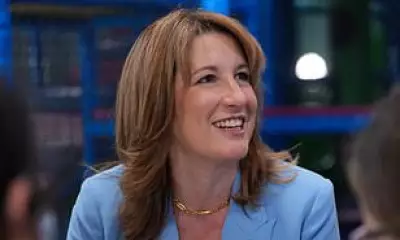
Megan Archer-Fox, known as the 'fin-influencer' That Girl in Debt, cleared £40,000 of credit card debt and has teamed up with GroceryAid to encourage others to shed the stigma and secrecy surrounding debt for the sake of their mental health. She shared: "Debt used to be the first thing I thought about when I opened my eyes in the morning. To everyone else, I appeared happy and successful but in reality, I was desperately struggling to keep my head above water. It got to the point where debt was on my mind every day, affecting every part of my life. But I was too upset and ashamed to speak about it to anyone. When I eventually started opening up - to my parents, my friends, and to others online also struggling with debt - it felt like a weight had been lifted. Talking actually helped get rid of that feeling of shame. My debt had me in a chokehold for years but when I finally started being honest and speaking out, it lost the power it had over me. I realised for the first time that I wasn't alone - and that I shouldn't be embarrassed. I'd encourage anyone facing financial difficulties to reach out for support early - talk to friends, family or charities like GroceryAid. You should never feel ashamed for asking for help."
Six Ways to Take Back Control of Money Stress
- Face up to it: I had my head in the sand for years. Being brave and facing up to my debt was the first thing I did - and it helped massively.
- Talk to someone: I started sharing my debt online and met thousands of others struggling with money. For the first time in more than a decade I didn't feel so alone. Even confiding in a trusted friend or family member can make a huge difference to your mental health.
- Check what support you're entitled to: Grants don't need to be paid back - and if you're struggling, they can give you breathing space. Many people overlook them. When tackling my own debt, I didn't even consider applying and missed out.
- Allow yourself setbacks: During the time I was paying off debt, I went £500 over my monthly budget one January. But it was a lesson learned - and I just had to carry on.
- Be realistic: Some people are naturally frugal, but I'm not one of them. I knew if I cut out my favourite treats until the debt was gone, I'd probably lose motivation fast.
- No more shame: Debt is a normal part of life and can happen to anyone; we just don't talk about it enough. Don't let shame or fear of being judged stop you from getting the help and support you need.