As the clocks spring forward this weekend, signalling the arrival of lighter evenings, many Brits remain weighed down by the lingering effects of a dreary, rain-soaked winter. According to a recent study commissioned by mobile network giffgaff, a staggering 88% of the population reports feeling in desperate need of a mood elevation. However, with household budgets stretched thin, a significant portion are finding it difficult to justify the expense of traditional pampering treats.
The Self-Care Deficit in Austere Times
The research paints a stark picture of a nation grappling with a self-care shortfall. One in three Brits (33%) confess they have not indulged in a single dedicated self-care treat over the past twelve months. Despite this, the desire for regular pick-me-ups remains strong, with 21% of adults admitting they feel the need to recharge their spirits every two to three days.
Financial constraints are the primary barrier, with 19% of respondents stating they simply cannot rationalise the cost of such luxuries amidst the current high cost of living. This economic pressure is forcing a widespread shift towards more affordable, often free, methods of seeking solace and a mental lift.

Regional Preferences in Pursuit of Happiness
The study uncovered fascinating geographical variations in how Brits pursue their mood-enhancing activities. Nationally, the most popular free or low-cost picks include:
- Listening to music (44%)
- Going for a long walk (40%)
- Reading a book (24%)
Paid treatments still have their place, with massage being popular for 19%, though preferences diverge by city:
- Londoners show a stronger lean towards massages (22%) and are the most likely to try red-light therapy (7%).
- Cardiff residents have a notable fondness for collagen masks (12%).
- In Birmingham, a professional blow dry is the treatment of choice for 16%.
- Belfast emerges as the manicure capital, with 24% indulging in this treatment more frequently than anywhere else in the UK.
Some cities displayed more unconventional tastes. Mancunians are the most probable to book an ice bath session (8%), while Liverpudlians show a unique preference for IV vitamin infusions (4%).
The Digital Daydream: Browsing Without Buying
Faced with financial limitations, many are turning to their smartphones for a temporary escape. More than half (58%) of Brits admit to browsing for spa days, grooming treatments, or dream holidays online purely for the mood lift it provides, with no actual intention of making a booking. This 'digital window-shopping' has become a common coping mechanism to experience a fleeting sense of luxury without the associated cost.
giffgaff's 'Booost Bar' Initiative
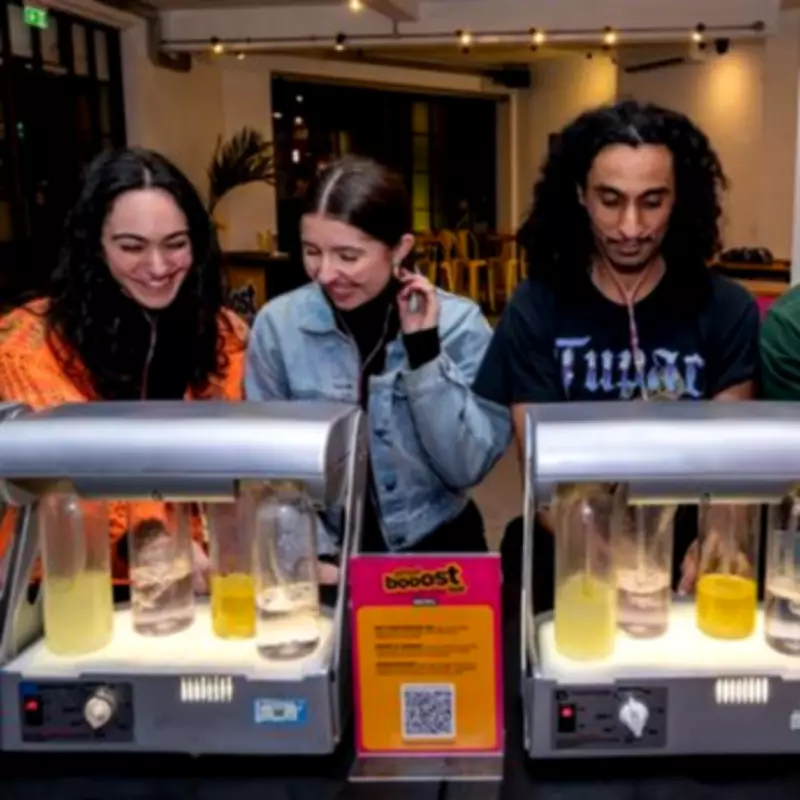
In response to these findings, giffgaff launched a promotional 'Booost Bar' pop-up in East London to mark the introduction of its new mobile data offer, which provides customers with data boosts of up to 200% at no extra charge. The temporary bar offered complimentary uplifting experiences, including massage chairs equipped with heated blankets and oxygen masks with a selection of invigorating scents like ginger, lemon, peppermint, and eucalyptus.
Visitors could also sample mood and energy-boosting refreshments, such as Lion's Mane mushroom hot chocolate and apple cider vinegar with pomegranate gummies. Kate Dohaney, CEO at giffgaff, commented on the initiative: "When we saw that one in three people in the UK hadn't taken time for a self-care treat in the past year, despite feeling the need to, it was clear there was an opportunity to give something back. The Booost Bar was designed to do just that, creating a moment for people to pause, recharge, and feel uplifted, all for free."
Dohaney added, "At a time when many providers are increasing prices, we're focused on doing the opposite at giffgaff, offering greater value, including data boosts of up to 200% at no extra cost." This corporate gesture highlights the broader tension between consumer desire for wellness and the economic realities shaping everyday choices across Britain.