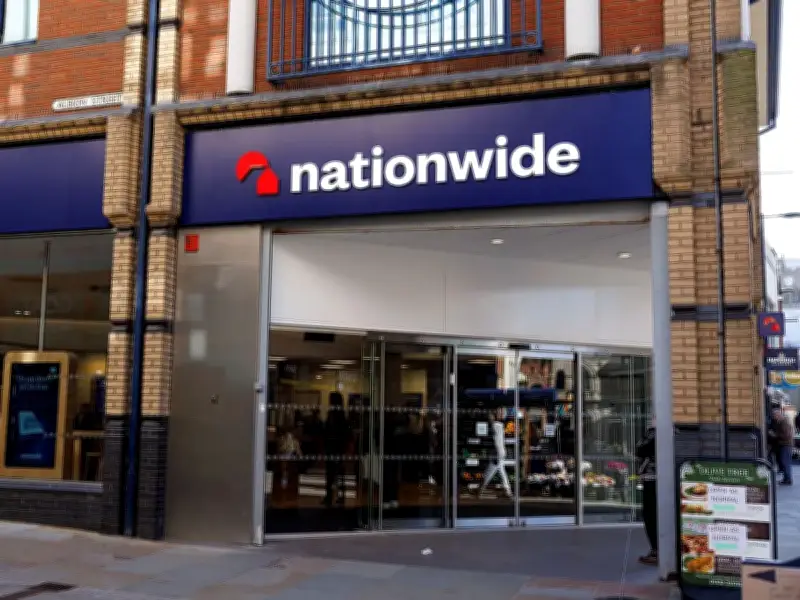
Nationwide has launched a new free credit score service, accessible through its app and online banking, saying it will help customers make better financial decisions.
A credit report shows a record of whether you pay bills on time or miss payments, along with a list of your bank accounts, loans, credit cards, and utility or phone bills. Lenders use it to assess your financial risk and determine if you are a reliable borrower.
How UK credit scores work
No one in the UK has a universal credit score. Each credit reference agency uses a different scoring system to give a general idea of how lenders could view you, but lenders never actually see any score when you apply for credit.
The three main credit reference agencies in the UK are Experian, Equifax and TransUnion. Customers are advised to check their credit report regularly, as it could help spot fraud if unexplained accounts have been opened in their name.
Customer research and response
Research from the Financial Conduct Authority (FCA) found that 66% of people check their credit score or report to get an idea of their overall financial situation, while one in five (20%) used it to check eligibility for credit. However, one in ten (9%) people do not understand what their credit score means.
David Gordon, Chief Product Owner at Nationwide, said: "We know that for some people credit scores are notoriously difficult to understand and we want to help with that.
"Investing in our digital services and offering customers a way to bank that suits them is a key priority for us. Our new credit score service has been built to help our customers build financial confidence, improve their financial wellbeing and make more informed decisions about their money."
Related accessibility initiative
The launch follows confirmation that cards enabling people to communicate their needs in Nationwide branches are being made available more widely to financial services providers. The "speak easy" cards were developed by Nationwide staff and people with lived experience of communication difficulties, to enable customers to communicate their needs in branch quickly during face-to-face interactions and support independence and accessibility.
The cards allow customers to point to information, pictures, questions or requests when speaking may be difficult, helping them get support when accessing services such as savings, payments, reporting a lost or stolen card, or raising concerns about a suspected fraud or scam.