Microwave-Safe Plastic Containers Release Microplastics Into Food, Study Reveals
Microwave-Safe Plastic Containers Release Microplastics

Microwave-Safe Plastic Containers Release Microplastics Into Food, Study Reveals

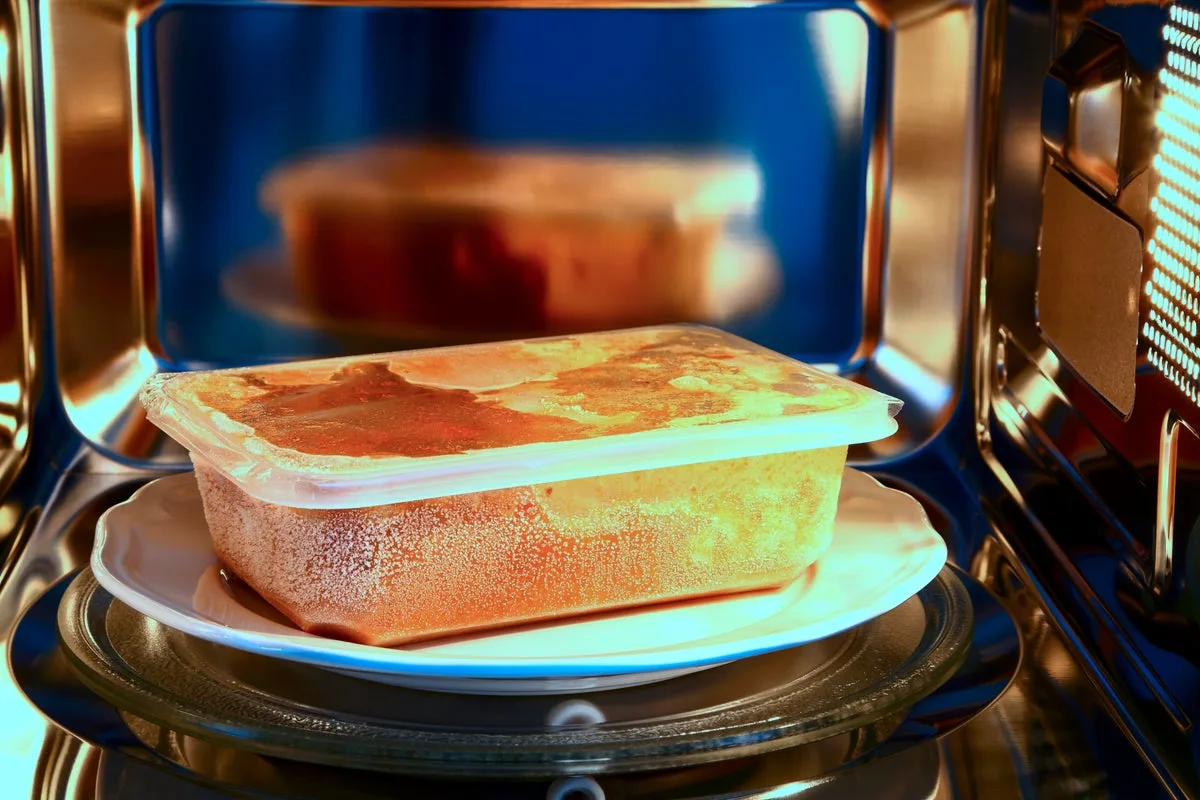
A new analysis published by Greenpeace International has issued a stark warning: even plastic food containers labelled as "microwave-safe" can release thousands of microscopic plastic particles into meals within minutes of heating. The report, based on peer-reviewed studies, highlights significant health risks associated with this common kitchen practice.

Heat Triggers Release of Microplastics and Harmful Chemicals

The analysis reveals that heat can trigger the release of both microplastics and nanoplastics—particles so small they are invisible to the naked eye. Additionally, it releases chemicals like bisphenols and phthalates, which are used in plastic manufacturing and have been linked to hormone disruption, infertility, and certain cancers in research studies.

One cited study found that between 326,000 and 534,000 microplastic and nanoplastic particles leached into food simulants after just five minutes of microwaving. This represents up to seven times more particles than those released during oven heating under similar conditions.

Wide Pickt banner — collaborative shopping lists app for Telegram, phone mockup with grocery list

Increased Migration of Additives Under Heat

The analysis also discovered that heating plastics such as polypropylene and polystyrene increases the migration of additives into food or food simulants. These additives include plasticisers and antioxidants, substances added to plastics to improve flexibility and durability. However, they are not permanently bound to the material, making them more likely to migrate when exposed to heat.

Graham Forbes, global plastics campaign lead from Greenpeace USA, commented: "People think they're making a harmless choice when they buy and heat a meal packaged in plastic. In reality, we are being exposed to a cocktail of microplastics and hazardous chemicals that should never be in or near our food."

Regulatory Shortcomings and Corporate Claims

In most regulatory systems, the term "microwave-safe" merely indicates that a container will not visibly melt or break apart at certain temperatures. It does not necessarily assess the release of microscopic plastic particles or chemical additives into food. The report criticises this gap, stating that corporate claims of "microwave-safe" are often misleading.

The report notes that more than 4,200 hazardous chemicals are known to be used in or present in plastics, with most not specifically regulated in food packaging. Some of these, like bisphenols, phthalates, PFAS (often called "forever chemicals"), and metals such as antimony, are linked to serious health issues including cancer, infertility, hormone disruption, and metabolic disease.

Evidence of Human Exposure and Health Impacts

Citing evidence, the report states that at least 1,396 food-contact plastic chemicals have been detected in human bodies. Research associates exposure to these chemicals with conditions such as neurodevelopmental disorders, cardiovascular disease, obesity, and type 2 diabetes.

The analysis synthesises findings from published research, showing that heating, storage, and wear can all increase particle release. For instance, one study found that worn or scratched plastic containers released nearly double the number of microplastic particles compared with new packaging.

Historical Concerns and Growing Evidence

Concerns about heating plastic containers are not new. Previous studies have shown that microwaving plastic baby food containers and pouches could release almost 2 billion nanoplastics and 4 million microplastics per square centimetre of container surface. Another study found that refrigeration and room-temperature storage for over six months could release millions to billions of particles into food.

There is also growing evidence that plastic packaging leaches tiny invisible particles into water even when not heated. A 2024 study found that a litre of bottled water contained an average of 240,000 plastic particles—10 to 100 times more than previously estimated—with most being nanoparticles small enough to penetrate human cells and potentially enter the bloodstream and major organs.

Pickt after-article banner — collaborative shopping lists app with family illustration

Global Context and Call for Action

Plastic-packaged ready meals are one of the fastest-growing segments of the global food system, worth nearly $190 billion. Global production reached 71 million tonnes in 2024, averaging 12.6kg per person. Plastic packaging accounts for around 36% of all plastics produced, and global plastic production is projected to more than double by 2050.

Greenpeace argues that regulation has not kept pace with emerging research on microplastic release from food packaging. Labels like "microwave safe" give consumers false reassurance, according to the organisation.

Mr Forbes emphasised: "Are we being poisoned while trying to feed our families? The risk is clear, the stakes are high and the time to act is now. We cannot rely on misleading promises from corporations. Governments must act now by delivering a strong Global Plastics Treaty that protects human health and cuts plastic production at the source."

Broader Environmental and Health Implications

Microplastics have been found everywhere from the deepest points in the ocean to inside human bodies from as early as birth. Some nations have banned single-use plastics to reduce plastic waste that releases particles into soil, water, and air, but enforcement remains challenging.

Ongoing conversations among countries, chaired by the UN, aim to create a legally binding global plastics treaty. However, despite years of talks, differences persist over issues such as limiting new plastic production and assigning responsibility for health risks.