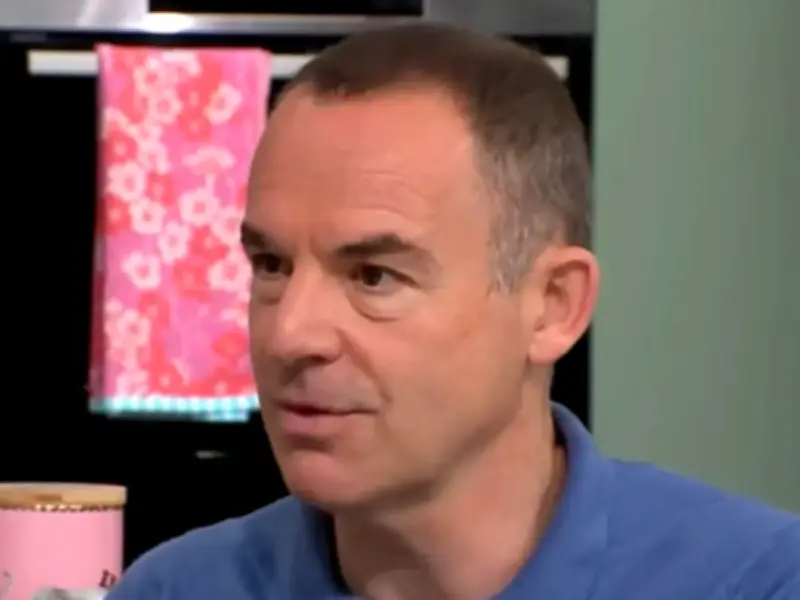
Martin Lewis has warned Britons about "loopholes in the law" that remain in car and home insurance, despite rules introduced by the Financial Conduct Authority (FCA) in 2022. The money expert issued the alert after speaking to a woman who saved £589 by following his advice.
FCA rules and the "loopholes"
Rules introduced by the FCA in 2022 mean that renewal quotes for home and motor insurance consumers are not meant to be more expensive than they would be for new customers. The FCA said the rules mean "insurers will be required to offer renewing customers a price that is no higher than they would pay as a new customer."
But Martin Lewis says there are "loopholes in the law." He explained them as he talked to a woman about how she saved hundreds of pounds. Kath from Liverpool told Martin on a recent episode of the Martin Lewis Podcast that she had saved £589 on her car insurance after following his advice to look for new quotes 23 days before renewal. She said she "couldn't actually believe" how much cheaper other quotes were at that time.
What's more, she got the far cheaper quote - £637 rather than the initial quote of £1,226 - from an insurer that is part of the same overall company. This led Martin to explain that there were "loopholes" that people needed to be aware of when it comes to sorting out car and home insurance.
How the "sweet spot" works
He said: "You may have heard that they got rid of the idea that existing customers could be charged more than new customers. But the law on that is very specific."
"Existing customers can't be charged more than new customers going via the same channel. It's channel specific. So what that means is if you went by one comparison site then the next year a new customer going via that comparison site could not be given a cheaper price than you in exactly the same situation on the same comparison site."
"But they could be charged less on a different comparison site, or going direct, or going through a different route. So there are a lot of loopholes in that law."
Kath's initial renewal quote had been £376 more expensive - even though in the couple of years before that she had seen her renewals go down. She haggled and was offered £100 less, then decided to look at comparison sites for other quotes. She said: "I couldn't actually believe how low. I thought there must be a catch here. This can't be right."
This was at 22 days to go before renewal. Martin - well-known to ITV viewers for the Martin Lewis Money Show and to BBC listeners for his Martin Lewis Podcast on Radio 5 - calls this period "the sweet spot."
He said: "The sweet spot is so important. I mean, it's so bonkers, it's proper bonkers, isn't it? The day that you get the quote makes a difference."
He said the logic behind it is insurance pricing is based on actuarial risk - the risk of you doing different things. He noted: "The people who will get a quote in advance tend to be less risky than the people who do it the day before."
"So this sweet spot - people are always gobsmacked when they see it for the first time, but it's proper. It's an absolutely real thing to do. It's wonderful, isn't it?"
FCA rules on car insurance renewal
The new laws on car insurance came into effect on 1 January 2022. At the time they were announced, Sheldon Mills, Executive Director, Consumers and Competition at the FCA, said: "These measures will put an end to the very high prices paid by many loyal customers. Consumers can still benefit from shopping around or negotiating with their current provider – but won’t be charged more at renewal just for being an existing customer."
"We are making the insurance market work better for millions of people. We will be watching closely to see how the market develops in the future and to ensure firms continue to deliver fairer value to consumers."
Yet Martin says the "loopholes" mean people should always look for other prices before renewing. The Financial Ombudsman Service says most of the complaints it sees are due to an increase in price either at renewal, over a long period of time with the same insurer or following a particular event or change in the customer’s circumstances – which can sometimes happen mid-term (part way through the policy).