Martin Lewis Explains Costly '1p' Credit Card Interest Trap
Martin Lewis Warns of Costly 1p Credit Card Interest Trap

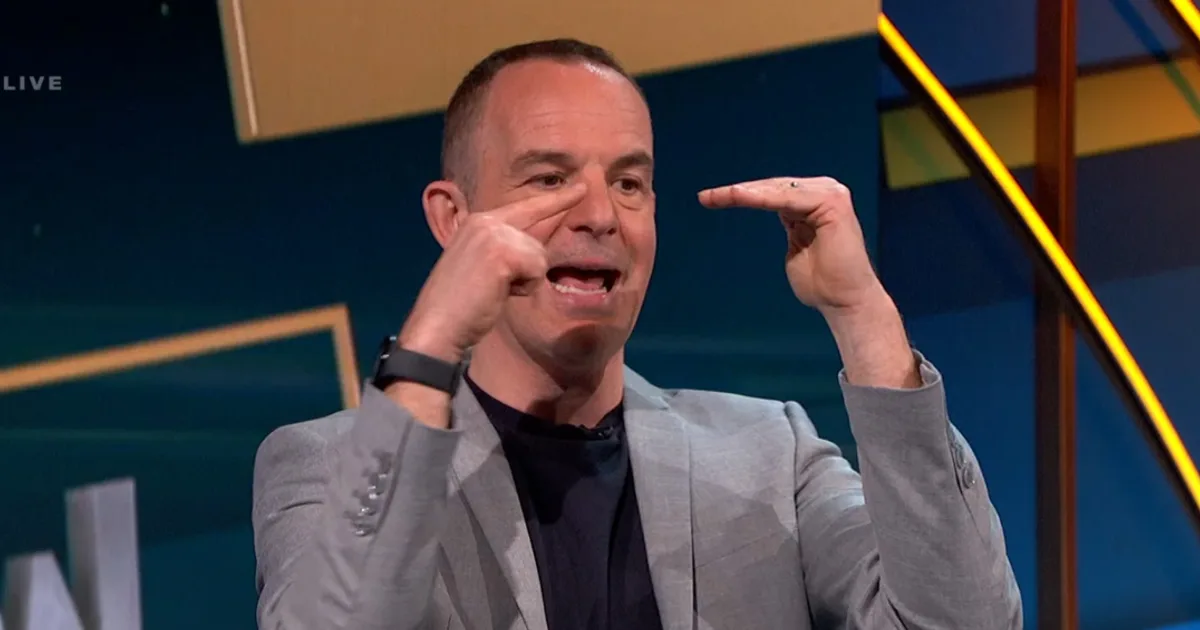
Martin Lewis, the Money Saving Expert, has revealed that most people fundamentally misunderstand how credit card interest works, and this mistake is costing them a significant amount of money. In a clip posted to his official TikTok account, the financial guru highlighted a little-known rule that could be quietly costing even the most careful cardholders far more than they realise.

The '1p' Rule Explained

Martin explained the scenario: "Imagine you've spent £1,000 on the credit card. If you then pay off the £1,000 so you totally clear it, there is no interest in the month." Simple enough, but then comes the sting. "If you were to pay off £999.99, so you're just a penny short, you don't pay interest on a penny for the month, you still pay interest on the entire £1,000."

This is why Martin's catchphrase for years has been to pay off your credit card in full. "The 'in full' is important," he stresses. He is particularly pointed about this when it comes to reward and cashback cards. "If you don't pay in full, you neuter the credit card's ability to charge you interest. If you miss even a penny, it can still charge you a whack." The moment interest kicks in, any reward or cashback the card was supposed to deliver is almost certainly wiped out.

Wide Pickt banner — collaborative shopping lists app for Telegram, phone mockup with grocery list

The Danger of Confusing Balances

What makes this especially dangerous is how easy it is to accidentally fall short without realising it. Many cardholders do not know there is a difference between their statement balance and their current balance. Your statement balance is what you owed at the end of your last billing cycle — and that is the exact figure you need to clear in full to avoid interest. Your current balance includes everything spent since that date and changes daily. Confusing the two, or paying one when you meant to pay the other, can leave you unknowingly carrying a balance from month to month — and once interest starts accruing, it compounds. It is added to the balance, which then generates more interest the following month, and the cycle quietly builds.

Expert Advice

A spokesperson for Single Parents Portal said: "Martin's warning is important because the trap is easier to fall into than most people realise. A lot of cardholders do not know that their statement balance and their current balance are two different figures, and paying the wrong one is enough to trigger exactly the interest Martin is describing. Once that happens, the interest compounds month on month and what started as a small shortfall can grow into a significant sum surprisingly quickly. The simplest protection is a direct debit set to pay the full statement balance automatically every month — that way you never accidentally fall short, and you never give the card the opportunity to charge you."

With credit card borrowing at its highest level in years, Martin's warning could not be more timely — pay in full, every single time, and make sure you know exactly which balance you are paying.

Pickt after-article banner — collaborative shopping lists app with family illustration