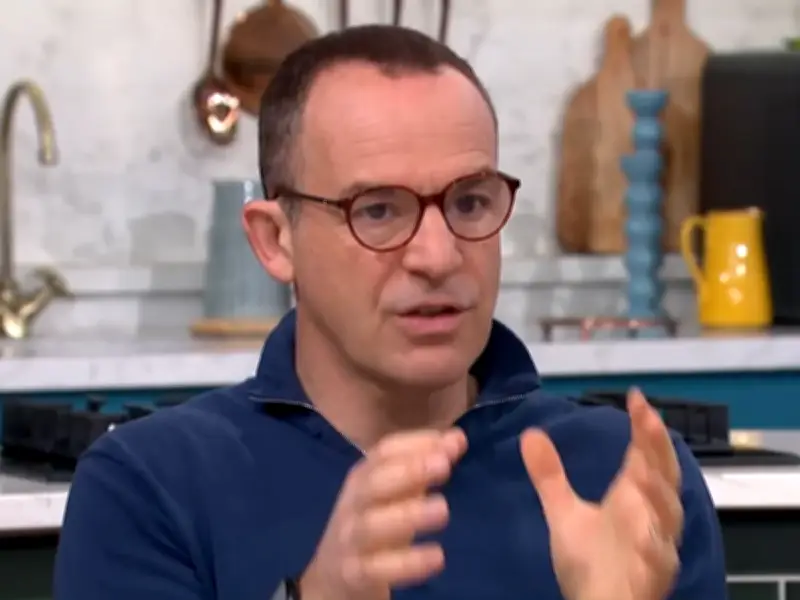
Martin Lewis has issued a warning to holidaymakers about a common ATM question that could cost them money. Appearing on ITV's This Morning, the money-saving expert explained that choosing to pay in pounds rather than the local currency at foreign cash machines often leads to poor exchange rates.
Dynamic Currency Conversion explained
When an overseas ATM or card machine asks whether you want to pay in pounds or the local currency, it is offering Dynamic Currency Conversion (DCC). This allows the foreign operator to convert the transaction into pounds at their own rate, which typically includes a significant markup of up to 6% or 7%. Additionally, some ATMs may charge a withdrawal fee on top.
Martin advised that travellers should always choose to pay in the local currency, especially if they use a specialist overseas spending card that offers near-interbank exchange rates. Even standard debit and credit cards from UK banks usually provide better rates than foreign ATMs.
How to avoid extra charges
To avoid unnecessary costs, Martin recommended selecting the local currency whenever prompted. He noted that ATMs often use aggressive prompts to encourage customers to choose pounds because it is more profitable for the operator. His advice: if you are in Europe, pay in euros; if in the US, pay in dollars, and so on.
Consumer group Which? also warns that DCC can be a costly trap for holidaymakers, as the exchange rates offered are often considerably worse than those from banks and card providers.