Martin Lewis has shared a straightforward technique for keeping homes warm this winter without spending more on energy. The advice comes as the UK energy price cap increased by 3.6% (rounded to 4%) on October 1, bringing the average annual bill for a typical dual-fuel household paying by monthly Direct Debit to £1,723.
With colder months approaching, many households are looking for ways to heat their homes without breaking the bank. The MoneySavingExpert founder says one small adjustment, made at around 4-4.15pm, can make a real difference.
What is the tactical curtains trick?
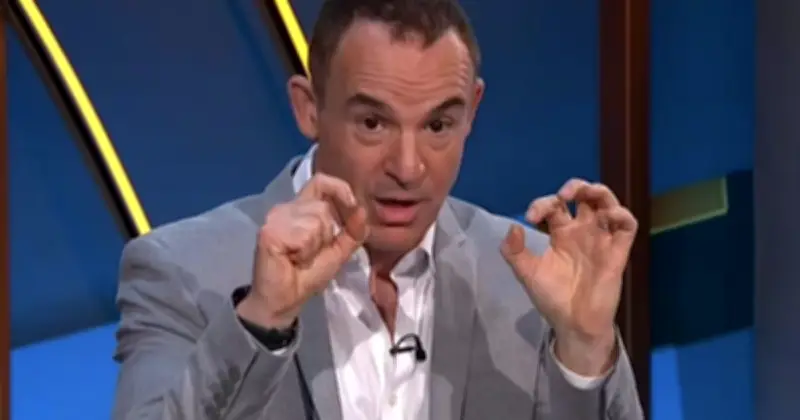
On his ITV programme, Lewis explained how households can deploy their curtains tactically to help retain warmth. His guidance is straightforward: keep curtains drawn back while the sun is shining, then close them once darkness falls.
Lewis said: "You ask. Should I keep the curtains closed? When the sun is shining, that has radiating energy. Radiating energy coming in that heats your home. So, you want the curtains open. Soon as it gets dark, you're shutting them because you want to trap that heat energy inside your house. That's what tactical curtains means."
The exact sunset time varies depending on where you live, but in London the sunset will be at 4.11pm on Sunday, November 15, according to Time and Date.com.
Placement and reflective panels
Lewis also stressed the importance of curtain placement. He added: "One really important thing, your curtains should be behind the radiator, not in front of the radiator. Or then the radiators are just heating the back of the curtains."
He also recommended fitting reflective panels behind radiators to bounce warmth back into living spaces rather than letting it leak through exterior walls. Lewis said: "A tip for you reflective panels behind radiators. Sheets of reflective material can be placed behind radiators. Crucially, this is on external wall radiators, so the heat doesn't escape. If you don't want to pay for those, then tin foil can work, although it doesn't work quite as well."