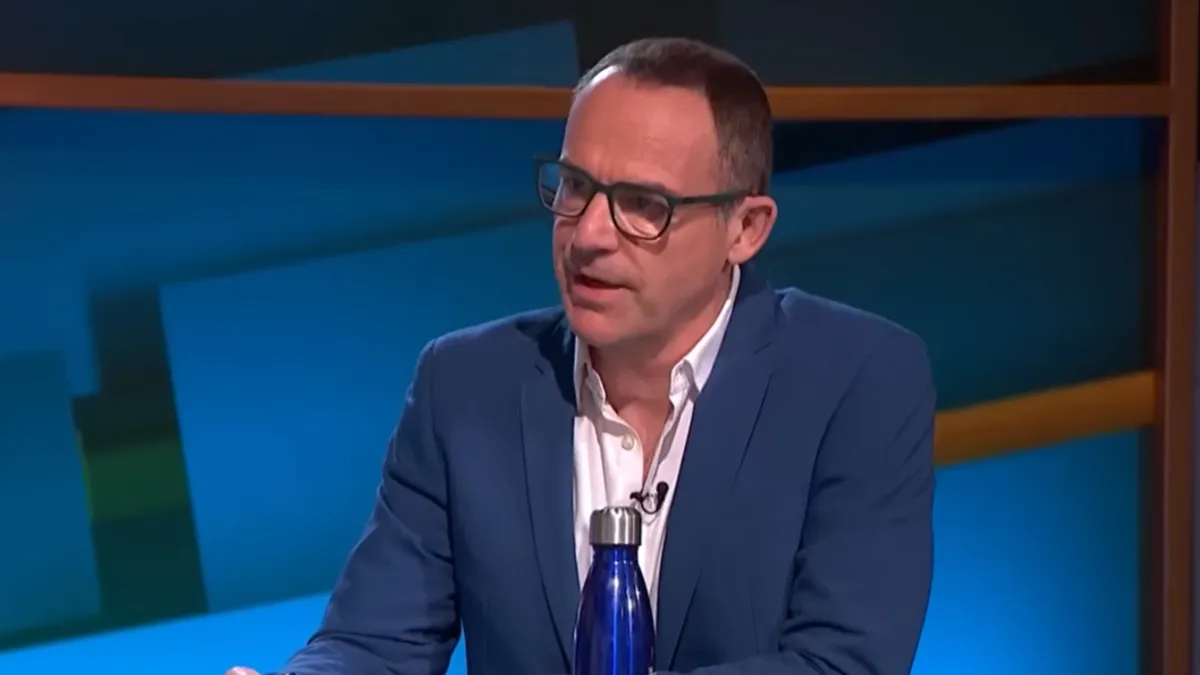
Personal finance guru Martin Lewis has issued an urgent warning to British households, advising them to stockpile stamps ahead of a significant price increase scheduled for early April. The money saving expert highlighted that this proactive measure could help consumers avoid the impending surge in postal costs.
Imminent Stamp Price Increases
Royal Mail has confirmed that from April 6, 2026, the cost of a first class stamp will rise to £1.80, representing a 10p increase. Simultaneously, second class stamps will be priced at 91p. This adjustment marks the eighth consecutive price hike since 2020, with first class stamps having climbed from 76p to £1.80 over six years—a staggering 137% increase.
In addition to standard stamps, the prices for various Royal Mail services, including 'Signed For', 'Special Delivery Guaranteed', and 'Tracked' options, will also increase from Tuesday, April 7. Parcel dispatch costs for both first and second class deliveries will see similar rises.
Martin Lewis's Bulk Buying Advice
In a recent update, Martin Lewis emphasised the financial wisdom of purchasing stamps in advance. He explained that stamps without a printed price, which simply indicate the postage class, remain valid even after price increases. This strategy has proven effective over the years, as first class letter stamps have escalated from 60p in 2012 to the current £1.70, soon to reach £1.80.
Lewis stated, "For years, every time stamps go up in price I've suggested people stock up and bulk-buy in advance, as provided the stamp doesn't have a price on it and instead just says the postage class, it's still valid after the rise. This has been an effective tactic. So you may as well stock up now if you're going to need stamps."
Performance Concerns and Political Criticism
The price rise comes amid growing concerns about Royal Mail's service standards. The company last met its annual delivery targets in the 2019-2020 fiscal year, raising questions about its reliability. Recent reports suggest Royal Mail is struggling to meet Ofcom's timeliness targets, potentially leading to millions of delayed letters.
Labour MP Dave Robertson accused Royal Mail of dishonesty regarding its performance, particularly in his Lichfield constituency. He claimed, "I met Royal Mail just before Christmas to complain to them about the total lack of a postal service that we have in Lichfield. We were probably the worst area in the country at that point. I was told when I had that meeting that all of the first class mail went out that week. That is a lie, it is an absolute lie, because my constituents told me."
Consumer Advocacy and Regulatory Pressure
Anne Pardoe, Head of Policy at Citizens Advice, criticised the continuous price increases without corresponding improvements in service. She remarked, "The price of 1st and 2nd class stamps can't be treated as a dial that is turned up without a clear justification for consumers, forcing people to dig deeper into their pockets for a failing service. More than half a decade has gone by since the company met its delivery targets and people still face a gamble, with many uncertain if their important documents or letters like medical appointments will arrive on time."
Pardoe further urged Ofcom to link future price rises to Royal Mail's performance, stating, "Against this backdrop, Ofcom simply cannot wave through these increases any longer. Higher prices must come with higher standards—increases should be tied to Royal Mail's performance on the doorstep."
Royal Mail's Defence
Richard Travers, managing director of letters at Royal Mail, defended the price adjustments, citing the need to balance affordability with rising delivery costs. He noted, "We always consider price changes very carefully, balancing affordability with the rising cost of delivering mail. On average, UK adults now spend just £6.50 each year on stamps and there are 70% fewer letters sent than 20 years ago. In the meantime, the number of addresses we deliver to has increased by four million to 32 million addresses across the UK."
Despite these justifications, the combination of repeated price hikes and service failures has left many consumers frustrated, prompting experts like Martin Lewis to recommend preemptive action to mitigate the financial impact.