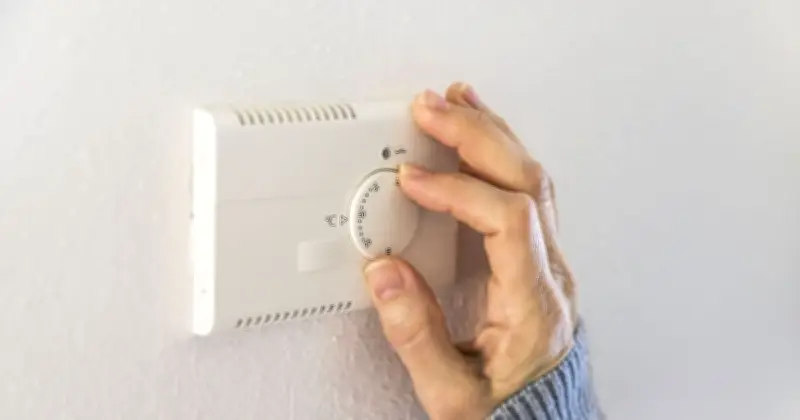
Households could save around £120 annually by lowering a room thermostat from 22°C to 21°C, according to the Energy Saving Trust, a change money-saving expert Martin Lewis has described as one of the easiest ways to cut costs.
The advice comes as Ofgem's latest energy price cap increase pushes the typical annual energy bill to £1,723, leaving many UK households facing another costly winter.
Martin Lewis's One Degree Challenge
Speaking on The Martin Lewis Money Show Live, Lewis said: "This is a big one. Take my one degree challenge." He added, "The World Health Organisation says 18C is fine for adults. Younger, older or ill might need more."
The Money Saving Expert blog elaborated: "Many have their thermostats set in the 20s. And while cutting from, say, 21°C to 20°C doesn't sound much, it should reduce your heating bill."
As a way to think of it, the blog explained: "Imagine your home was already at 13°C, dropping the difference between that and what it's warmed to by one degree will make up a big chunk of that." It also noted there is no need to turn up the temperature when it is colder outside, as the thermostat's job is to heat the home to the set temperature, which may simply take longer in colder weather.
Other Ways to Reduce Heating Bills
Experts at Stelrad have shared additional tips to lower energy bills. The first is to turn down radiator valves in rooms that do not need as much heat, which could save around £78 annually by reducing radiators in other rooms by just one setting.
Ensuring radiators are not blocked by furniture or other items is also important, as blockages prevent air from circulating freely and may force you to turn up the thermostat, spending more money.
Another tip is to check whether heating is running when nobody is home, adjusting timers to align with when you are typically present rather than letting heat run all day while you are out at work.
Finally, heat escaping through windows can be reduced by closing curtains or blinds after dark and sealing any unwanted gaps around windows and doors.