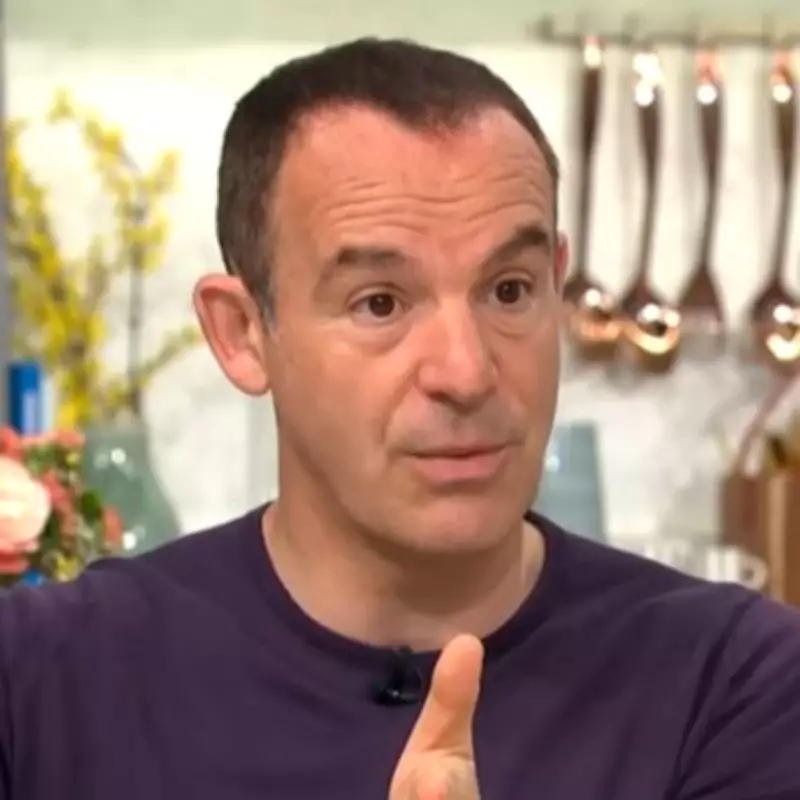
Personal finance guru Martin Lewis has unveiled a simple pharmacy trick that could slash medication bills by up to fifty percent for savvy shoppers. According to guidance from his MoneySavingExpert team, consumers frequently overpay for branded over-the-counter medicines when identical generic alternatives are available at substantially lower prices.
The Power of the PL Number
The key to unlocking these savings lies in a nine-digit code printed on medication packaging known as the Product Licence (PL) number. This unique identifier is assigned to specific drugs manufactured by particular companies, regardless of branding or packaging differences.
"It's crucial to understand that you can often save significantly by purchasing an identical pill in different packaging," explains the MoneySavingExpert website. "Some tablets are literally half the price of their doppelgangers."

How the System Works
When shopping for common medications like pain relief or allergy treatments, consumers typically face a choice between familiar brand names and less expensive store-brand alternatives. Many instinctively reach for the branded option, assuming higher price equates to better quality or effectiveness.
However, Martin Lewis has repeatedly demonstrated that this assumption is often incorrect. During a recent appearance on ITV's This Morning programme, the consumer champion explained: "If they have an identical PL code, which is on the back of the packet, they are the same tablet. Not just the same active ingredient—the exact same tablet."
He continued with characteristic bluntness: "Major pharmaceutical corporations spend millions promoting this idea of 'Go with the name you know.' And that's generally nonsense in most situations. Let me prove it to you."
Real-World Savings Examples
Lewis provided a concrete example comparing two products with matching PL codes—one priced at £4.99 and another at just £1.85, representing a saving of over sixty percent for the identical medication.
This pattern repeats across numerous common medications. Pharmacy workers report that customers frequently resist purchasing cheaper alternatives even when informed of substantial price differences.
"I work at a well-known pharmacy chain," commented one viewer after Lewis' television segment was shared on social media. "We regularly inform customers about price variations in pain medications and hay fever treatments. It's astonishing how many people hesitate to buy the less expensive store-brand options. The difference can reach £12 in some instances. Brand loyalty is remarkably powerful."
Consumer Resistance and Education
Another former pharmacy employee echoed this observation: "During my years in pharmacy, I constantly encouraged people to purchase the store's more affordable generic brands. Yet most customers insisted that only the branded medicines were effective."
However, those who adopt the PL code checking method report significant ongoing savings. One parent shared: "I previously bought expensive hay fever tablets for my daughter. Now I purchase Wilkinson's own brand with the identical PL code for merely 89p per box."
Broader Implications and Availability
The MoneySavingExpert website maintains a comprehensive guide dedicated to affordable and free medications, offering further strategies beyond the PL code method. This particular advice was highlighted in their latest Money Tips Email newsletter, reaching millions of subscribers.
Martin Lewis emphasizes that this phenomenon occurs "all over the place" in pharmacy retail, suggesting widespread potential for consumer savings. The method requires no special knowledge—simply comparing the nine-digit PL codes on different packaging before purchase.
As medication costs continue to strain household budgets, this straightforward verification technique represents a practical tool for reducing essential healthcare expenses without compromising on quality or effectiveness.