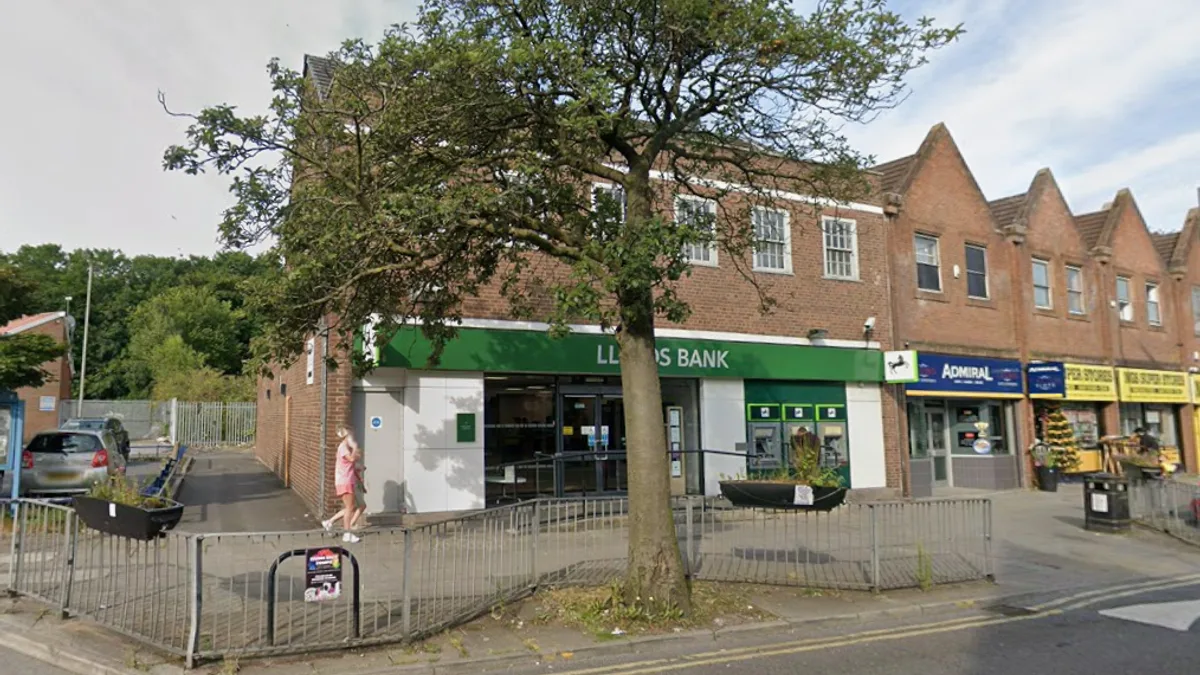
Lloyds Scraps £50 Interest-Free Overdraft Buffer for Packaged Accounts
Lloyds Removes £50 Interest-Free Overdraft Buffer

Lloyds Bank has announced a significant alteration to its packaged accounts, affecting customers who occasionally dip into their overdrafts. Starting June 8, 2026, the £50 interest-free overdraft buffer attached to the Silver, Gold, and Platinum packaged accounts will be removed entirely. This means that any customer who goes even slightly overdrawn will face immediate interest charges on every penny borrowed.

Details of the Change

The £50 buffer previously served as a safety net for customers who occasionally slipped into the red, allowing them to borrow small amounts without incurring any costs while awaiting their next payday. According to Sky News, the move is part of Lloyds' strategy to roll out interest-free overdraft amounts of up to £100 across its current accounts, creating a more consistent approach across similar account types.

Lloyds stated: “At the moment, if a customer has an overdraft, they can have different interest‑free amounts depending on what type of account they have, and we’re moving to a more consistent approach so customers with similar accounts have the same interest‑free amounts. We’re contacting customers to explain if there is going to be a change in their interest-free amount, to confirm there’s no change to their arranged overdraft limit, and to highlight where to get help if they need it.”

Wide Pickt banner — collaborative shopping lists app for Telegram, phone mockup with grocery list

Additional Account Changes

Furthermore, Lloyds is discontinuing its Select account entirely. Existing holders of the Select account will be transferred to the basic Classic account, which does not carry any overdraft cushion. Once the changes take effect, daily interest will be applied from the very first pound borrowed on an arranged overdraft.

Understanding Overdrafts

An overdraft allows you to borrow money through your UK current account when your balance drops below zero. It acts as a short-term safety net and is categorised into two types: arranged (agreed in advance) and unarranged (exceeding your limit or spending without prior agreement).

Typically, you agree an overdraft limit with your bank or lender – this is known as an arranged overdraft. If you do, you may be charged interest for using it. If you would like an arranged overdraft on your account, you need to request one from your bank. However, not all bank accounts are eligible for an arranged overdraft.

An unarranged overdraft can happen when there isn’t an arranged overdraft, but you spend more than the amount in your current account (which means the balance goes below £0), or you spend more than your arranged overdraft limit.

Overdraft Interest

Overdraft interest is a charge for using either an arranged or unarranged overdraft. Banks charge interest on the amount of your overdraft you use. Overdraft interest is usually quite expensive, so think carefully before using your overdraft. Banks should have an overdraft cost calculator on their website, which you can use to see how much an overdraft might cost you.

An interest-free overdraft allows you to spend up to a certain amount without being charged interest. This may be part of your arranged overdraft. You will only be charged interest on anything you spend over this interest-free amount. Not all overdrafts are interest-free or come with an interest-free amount. Check with your overdraft provider if you are unsure.

Lloyds confirmed it is reaching out to affected customers directly to explain the modification and to highlight where to get help if needed.

Pickt after-article banner — collaborative shopping lists app with family illustration