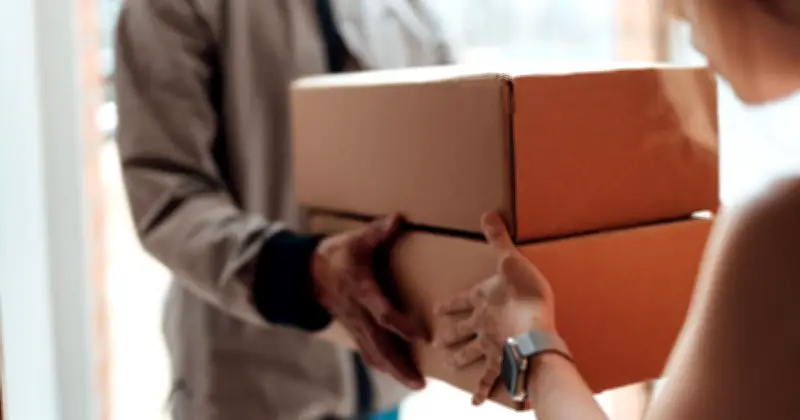
When tracking says 'delivered' but your parcel isn't at your door, it may have been left in a 'safe place', handed to a neighbour, or delivered to the wrong address. Most cases are simple mistakes, but your rights depend on how it was delivered and who is responsible.
Quick checks before escalating
Before escalating, the Royal Mail advises a few quick checks: look for a delivery photo or tracking notes, check around entrances and usual hiding spots, and ask neighbours. Many missing parcels turn out to be left somewhere unexpected.
Authorized vs. mistaken delivery
What happens next depends on whether the neighbour was authorised to take the parcel and whether you have received the goods. If you asked a neighbour to take deliveries or set delivery preferences allowing it, the courier may treat it as delivered. If you did not give permission and it was left at the wrong address, you can argue it has not been delivered to you.
Neighbour refuses to return the parcel
If your neighbour has your parcel, ask for it back or arrange a convenient time to collect. A neighbour does not gain the right to keep items addressed to you simply because they were delivered to their house. If they refuse, keep evidence: save screenshots of tracking, delivery photos, and notes of dates and conversations. If you message the neighbour or retailer, keep copies.
Retailer responsibility
For goods bought from a business, your contract is with the retailer, not the courier. Citizens Advice says if goods don't arrive, contact the retailer because they are responsible for sorting it out. Which? also advises that the seller should resolve it, including arranging a replacement or refund. The Consumer Rights Act 2015 keeps the risk with the trader until goods come into your physical possession or into the possession of someone you identified. If the parcel was left with a neighbour you did not nominate, you may still be entitled to a replacement or refund.
Legal aspects of wrongly delivered post
Under the Postal Services Act 2000, intentionally opening a postal packet that you know or reasonably suspect has been incorrectly delivered can be an offence in certain circumstances, particularly with no reasonable excuse and intent to act to another's detriment. However, accidentally opening a parcel you believed was yours is not automatically a criminal matter, as the test depends on knowledge and intention.
If the neighbour returns the parcel, the issue is usually resolved quickly. If not, the clearest route is to pursue the retailer with your evidence and insist they treat it as not received.