Sales of tinned meats and bottled water have risen sharply since the UK government launched its emergency preparedness campaign, urging households to keep enough food and drink for at least three days. Official advice covers a range of scenarios, including extreme weather, cyberattacks, conflict and power loss, and recommends non-perishable items that can be stored safely for long periods.
Since the campaign began, daily purchases of tinned meat have increased by 43%, equivalent to an extra 400,000 shoppers. Bottled water and hand sanitiser have also seen higher demand.
What to leave out of your stockpile
James Miller, a food hygiene consultant and CEO of food tech company Grape Software, told the Independent that perishable foods should not be stockpiled. "Perishable foods have a short shelf life, so buying more than you can use can lead to waste," he said.
He added: "For foods with a use-by date, there’s also a safety risk. If you’ve followed the storage instructions, you can eat or cook the food up to midnight on that date, or freeze it by then if it’s suitable for freezing. Once the date has passed, don’t eat, cook or freeze it, even if it looks and smells fine."
Frozen food and dried pasta
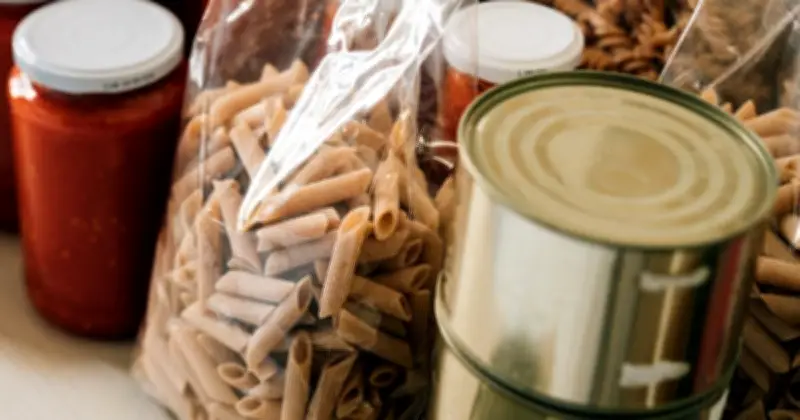
Frozen food is also inadvisable, because emergency supplies should remain usable even if the power goes out and the freezer stops working. Dried pasta is another item to avoid, as households would have no way to cook it if water, gas and electricity supplies were cut off.
Perishable items such as bread are not worth storing either, since they go stale and cannot be kept fresh for long without freezing. Instead, households should focus on food that can be kept in a cupboard for months at a time.
Safety risks of perishable foods
Professor Chris Elliott, at the Institute for Global Food Security, Queen’s University, Belfast, told the Independent: "Perishable foods require carefully controlled storage temperatures, and during emergencies, particularly power outages, they can rapidly become unsafe to eat. Harmful bacteria can multiply without any obvious changes in appearance, smell or taste, creating a serious risk of food poisoning."
The government's preparedness advice includes bottled water for three days, at three litres per person per day for drinking plus extra for cooking and washing, and non-perishable food such as tinned meat, fish or vegetables, dried fruit and nuts. It also lists hand sanitiser, wet wipes, a torch with spare batteries, blankets, an FM radio, cash and cards, copies of IDs, essential medication, baby formula, nappies and pet products.