Of all the subjects that grind your gears, parking tickets are among the most infuriating. One of the most common questions I receive is whether appealing a private parking ticket is worthwhile. The simple answer is yes, and you have a good chance of winning.
According to POPLA, one of two dispute resolution services for the private parking industry, over 107,000 appeals were raised last year, with a staggering 50.5% upheld or uncontested by parking firms. While statistics for the Independent Appeals Service are unavailable, a one-in-two chance of success makes disputing an unfair ticket well worth the effort.
Private vs Public Parking Tickets
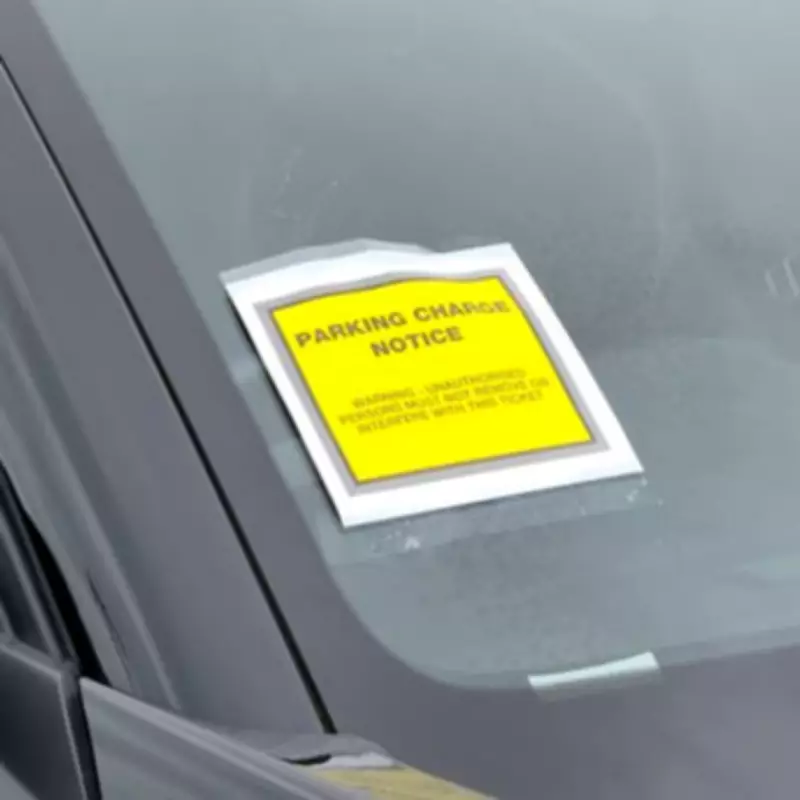
There is an important distinction between the two types of parking tickets. Official tickets are issued by local councils or the police as penalty charge notices for breaking laws, such as parking on double yellow lines. In contrast, private parking tickets are not official fines; they are invoices from landowners for using their facilities. Private parking fees often mimic official ones in colour and font, but the two are fundamentally different.

This distinction matters because public charges can lead to court, while private firms rarely escalate that far, though they may threaten to. They cannot involve bailiffs or affect your credit file unless they obtain a County Court Judgement (CCJ) for non-payment.
Current Rules for Private Parking
A new code of practice introduced on 1 October 2024 aims to make things fairer for motorists. Key provisions include:
- A 10-minute grace period after your ticket expires.
- No fines for minor errors, including the notorious 'fat finger' mistakes where an incorrect digit is entered on a machine or app.
- Clear signs that meet standard rules and are easy to read for passing drivers.
Additionally, a five-minute grace period to find a space and decide whether to pay was introduced shortly after the new rules began, though some motorists were fined for failing to find a space.
Appeals Charter
The new appeals charter allows for a reduced charge of £20 (if paid within 14 days) in the following situations:
- Inability to buy a ticket due to illness.
- Medical delays (e.g., overrunning hospital appointments) or childcare issues.
- Significant input errors, such as entering an entire number or registration wrong.
- Vehicle trouble, like breakdowns.
The charter also includes two chargeable mitigating circumstances: failing to display a blue badge but proving you are a holder, and faulty machines or apps with no alternative payment method. Even if your charge is reduced, you should pursue the matter further if you feel treated unfairly.
Criticisms of the New Rules
Journalists have noted that the new code falls short of what was originally promised by the former government, leading to calls for a radical review of the private parking industry. I understand that a new Parking Code of Conduct will be announced by the government in autumn. Many concerns remain about inflexible appeals processes, faulty machines, and incomprehensible apps and payment systems—all of which are grounds for appeal.
Do You Have to Pay Private Parking Tickets?
Conflicting advice exists on whether to pay and appeal or refuse payment. Failing to pay will result in losing the early payment discount and incurring higher charges. Therefore, register your complaint as soon as possible. Inform the parking company that you intend to formally appeal and request a suspension of any action or fee increases. While they cannot be forced to comply, a refusal can work against them at a dispute resolution scheme. Alternatively, you can pay under duress, stating in writing that you are paying to prevent further charges but intend to pursue the matter further.
How to Appeal a Parking Ticket
If you receive a private ticket you believe is unfair, contact the firm immediately and notify them of your intention to dispute it. Do not be discouraged if your situation does not fall within the new or old rules. Present your case in simple, plain English, explaining what you want resolved.
The ticket will indicate whether the firm is a member of the British Parking Association (BPA) or the International Parking Community (IPC). Make a formal complaint with evidence, such as:

- Unclear private land signage.
- Ambiguous, misleading, damaged, obscured, or hidden signs.
- Technical errors (e.g., wonky cameras, broken machines, incorrect tickets).
- Over-zealous ticket issuers.
- Mitigating circumstances.
- Confusion over free periods.
- Third-party disputes (e.g., permission errors from shops or hospitals).
The parking company should reply within 14 days, and you have 28 days to appeal. Discounted rates for early payment vary by trade body.
If your appeal fails, you can escalate to the relevant alternative dispute resolution (ADR) scheme: POPLA for BPA members or the Independent Appeals Service for IPC members. You may need an appeal code from the parking firm. Both ADR schemes provide guides on their websites.
Remember, registering a complaint sends a message to the industry and government that the current rules are unfair. Do not give up—make your voice heard.