The £10 Chicken Nugget: How Restaurants Turn Snacks Into Gourmet Gold
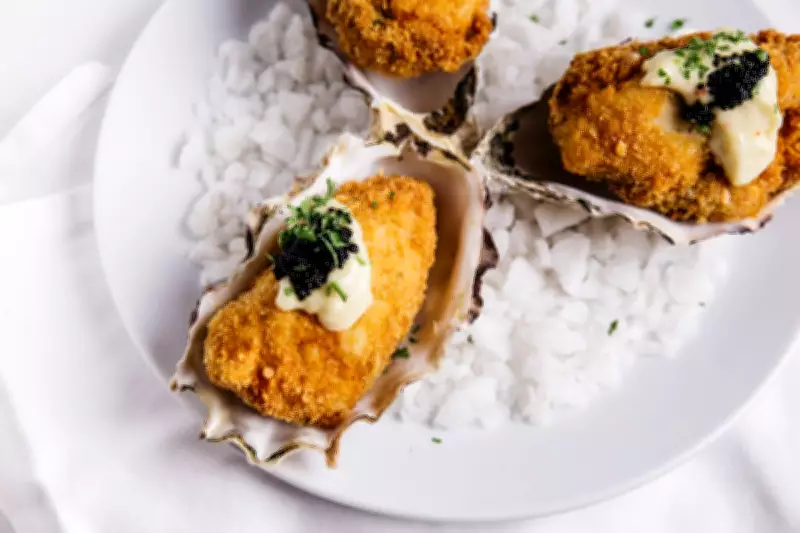
Imagine paying £10 for a single chicken nugget. Not a plateful, not a sharing portion, but one solitary nugget adorned with caviar. This is the reality at Clare Smyth's new restaurant, Corenucopia, where luxury snacks have become one of the priciest sections on the menu.
The Snack Course Creep
The rise of the restaurant "snack course" has crept into dining culture almost unnoticed. What began with small plates encouraging diners to order five dishes instead of three has evolved into snacks asking: "What if they ordered three dishes before the first course even arrives?" These are the culinary equivalent of in-app purchases: small, optional, and remarkably effective at inflating bills before substantial food arrives.
Consider four London restaurants that opened in January alone. At Cafe Kowloon, curry fish ball skewers cost £3 each, beef tendons £6, and rice crackers with dip £7. DakaDaka in Mayfair charges £6.50 for cornbread and £7.50 for nakhvatsa crisps. Sartoria's Liverpool Street outpost sells sourdough breadsticks for £7, while Tiella offers bread and oil for £5, olives for £5.50, ricotta for £9, and a plate of mortadella ham for £16.

Ancient Foods, Modern Prices
None of these dishes is particularly exotic or difficult to source. Bread, olives, cheese, and charcuterie are among the oldest restaurant foods in existence—essentially antipasti, aperitivo, or tapas. The concept of nibbling before dinner is hardly revolutionary. The only innovation is the price tag.
Gone are the days of complimentary bread baskets. Today, heritage-grain sourdough, crafted by bakers with sleeve tattoos and fermentation fridges the size of Fiats, costs upwards of £5 at any self-respecting establishment. The era of genuine hospitality appears to be fading, replaced by monetised every moment of the dining experience.
The Restaurant Economics Behind Snack Inflation
The economics are straightforward. Restaurants face punishing rents, expensive labour, eye-watering energy bills, and increasingly costly ingredients. For years, operators have relied on reliable margin-makers like wine, where bottles often appear on menus at four to ten times their retail price. Snacks operate on the same principle.
From a restaurant's perspective, snacks are ideal: cheap ingredients, tiny portions, quick preparation, and healthy margins. Crucially, they multiply—no table orders just one snack. This psychological pricing strategy ensures bills balloon before main courses even arrive.
The Pub Logic Applied to Fine Dining
Pubs and bars have used this principle for decades. Order peanuts or crisps with your pint, and the saltiness encourages another drink. Restaurants now apply this logic to dinner: salty nibbles like olives, anchovies, or crisps make wine disappear faster.
Some establishments take this literally. At Toklas, mussel escabeche with crisps costs £9. Kol, a Michelin-starred Mexican restaurant in Marylebone, serves totopos (tortilla chips) with mole and guacamole. Others offer crisp amuse-bouches, crisps dipped in crème fraîche and caviar, or Spanish-style crisps with jamón, eggs, and cheese.
The Social Contract of Crisps
This trend raises questions about the social contract of crisps. Traditionally, crisps are what you eat when hangry or serve to guests while preparing proper food. Supermarkets have "gourmeted" them with olive oil, Iberian ham, or black truffle, but the basic understanding remains: crisps are snacks while waiting for real food. Now, they are the food itself.
This shift aligns with changing eating habits. According to Waitrose's 2025 Food & Drink Report, 57% of shoppers replace traditional meals with "snacky" eating—what TikTok calls "girl dinner" and others term "picky bits." Restaurants have noticed, capitalised, and added linen napkins.
The Absurdity of Luxury Snacking
While understandable from a business perspective, there's something faintly absurd about paying £5 for bread, £7 for crisps, or £10 for a single chicken nugget—caviar or not. This represents the modern restaurant economy in action: every moment monetised, every pause between courses turned into a £7 nibble opportunity.

Perhaps the simplest solution is the most obvious. Eat a packet of Quavers or a McNuggets Sharebox on the way to the restaurant and proceed straight to starters. At least then, you'll know exactly what you're paying for.