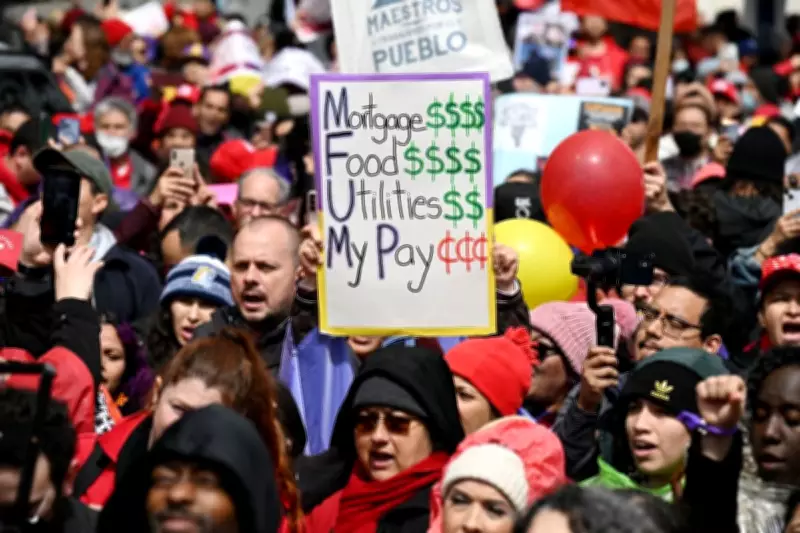
Many Americans have struggled to save money amid rising costs for daily items like groceries and gas. As the workforce evolves, personal finance experts are rethinking traditional savings advice.
No One-Size-Fits-All Approach
Gone are the days of a one-dimensional approach to savings, says Elisabella Ricca, a personal finance and consumer analyst at TopCashBack USA. 'There's no one-size-fits-all savings rate. Factors like age, lifestyle, income amount, career stability, and financial goals can help determine what savings rate is right for you,' Ricca told The Independent.
The Classic 10% Rule
One classic savings style is to put 10 percent of every paycheck into savings. This approach goes back decades but surged in popularity in recent years as people struggling with higher daily costs look for reasonable savings strategies.

The 50/30/20 Rule
Another time-honored approach is the 50/30/20 rule, introduced by Senator Elizabeth Warren in 2005. It allocates 50 percent of a paycheck to 'needs' like rent and utilities, 30 percent to 'wants' like hobbies and entertainment, and 20 percent to savings and debt repayment. Certified financial planner Christina Lynn, a director and wealth strategist at Mariner Wealth Advisors, endorses this method: 'You avoid the temptation of spending what should be saved.'
Adapting to Modern Challenges
Times have changed, though. Ricca argues that strategies embraced by previous generations may not work today. 'In the past, saving 10% of your income was widely considered a healthy amount, but that number may not be enough anymore,' she says. The uncertainty of Social Security payments, which could drop by up to 25 percent by 2032, means younger generations need to save more for retirement.
Freelancers Need Flexible Strategies
With 71.9 million independent contractors and freelancers in the U.S., according to MBO Partners, traditional fixed-percentage savings methods may not suit variable incomes. Ricca suggests a yo-yo strategy: 'Individuals with a variable or freelance income may want to consider saving a higher percentage during high-earning months to offset income fluctuations.' For retirement, she recommends a rule of thumb of 25% of income, or 50% for early retirement goals.
Step-by-Step Savings Plan
Workers can also take a gradual approach. Start by building an emergency fund with a small goal, such as $1,000, in a high-yield savings account or money-market fund for easy access and interest. Then, aim for three to six months of expenses. If you have a 401(k) with employer match, continue contributing while building the emergency fund.
This article is sponsored by Credit Karma. We may earn a commission if you engage with their services using links in this article.