

Holidaymakers seeking to save money on their breaks this year amid rising costs and disruption have been cautioned to remain vigilant against scammers. Travel industry experts have warned that the conflict in Iran could drive up holiday prices and reduce availability, as airlines face increased costs and are forced to cancel flights.
Scammers Target Bargain Hunters
The squeeze on holidays and sudden price increases have led UK residents to search for ways to cut costs, but fraudsters are already active. Scammers use fake listings, copycat websites, and urgent payment requests to steal money from travellers. According to Action Fraud figures, average losses amount to around £1,850 per victim in recent years.
Consumer group Which? has repeatedly raised concerns about fake accommodation listings and scams, warning that some travellers have paid for properties that did not exist, while others have received convincing scam messages linked to genuine bookings.

Fake Social Media Accounts
Which? conducted an investigation into fake accounts and stated: “We found examples of bogus X accounts impersonating every major airline operating in the UK, including British Airways, easyJet, Jet2, Ryanair, Tui, Virgin Atlantic and Wizz Air. We also discovered that fake accounts are often quicker to respond than the genuine airlines, but they also interrupt existing conversations between you and airlines, which can be harder to spot.”
Christopher Thomas of UK Private Investigators warned that scammers understand how people behave when booking last-minute holidays and shared signs to look out for. He said: “Holidays are expensive, there's no getting around that, and when you think you have found a bargain, you often stop looking at the red flags that are in front of your face.” He added that scammers rely on urgency, excitement, and distraction techniques to take money from victims.
An easyJet spokesman said: “We continue to report fake accounts to X so they can take any necessary action and we advise customers to only follow and engage with our sole official channel @easyJet, which is identifiable by the gold verification badge for official businesses, for the latest updates or to seek support and to be vigilant and to not engage with or click on any links from other accounts.”
Wizz Air said: “We have seen a rise in fake accounts on X and we report as many unofficial accounts as possible.”
Off-Platform Scams
Off-platform scams occur when a holiday is purchased through a legitimate company but the traveller is later messaged by the host requesting additional payment, verification of details, or other actions via apps like WhatsApp or Telegram, threatening cancellation of the booking. In such cases, it is crucial to keep all communication on the original booking platform and never use third-party apps.
Chris advised: “Never send any money via bank transfer, cash apps or gift cards. Doing so will leave you out of pocket for a holiday that likely doesn't exist. If someone asks for more money, contact the booking platform immediately.”
Copycat or Fake Websites
Fake websites pose another danger, especially if travellers click through links on social media or adverts on search engines. “It's easy to make a professional-looking website these days, and ads that can send you to them can be set up in minutes. I can understand the need to find a bargain, but sticking with well-known holiday providers is going to stop you from being scammed when booking a holiday,” warned Christopher. While not all new websites are fraudulent, caution is advised. Some websites mimic major holiday providers with similar branding and web addresses. “Look at the website address, does it have extra letters or weird symbols? If it does, close the website down and go to the official website of that provider,” he added.

Fake Holiday Photos
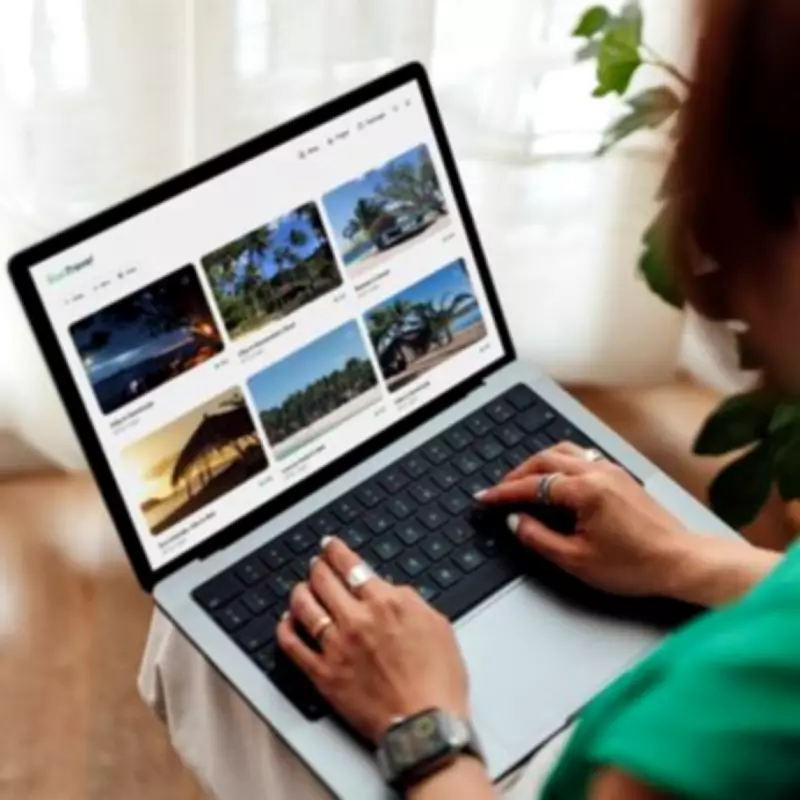
Another tactic involves fake accommodation listings using stolen photos. Which? has advised travellers to perform a reverse image search and be cautious of new listings or properties with weak review histories. Christopher said: “If you are looking at renting a villa, apartment or lodge and it looks perfect while the price is low, then be cautious and check if those images have been used elsewhere on the internet. You can do a reverse image search, which can show you if these images are from somewhere else, or they have no footprint at all.”
Fake Visa Websites
Applying for a visa in an unfamiliar country can be confusing, and scammers often exploit this by luring travellers onto fake websites. When applying for a visa, always check the website address carefully before providing personal details. Official government websites are straightforward, whereas scam websites may have strange spellings, extra words, and create a sense of urgency to rush payment. “Slow down, scammers want you to feel pressured, and the best defence you can have is to take your time. Examine everything, do your research, and see what past travellers have said. Just take your time, and try to verify everything, and my best advice is to stay on a well-known booking platform,” Christopher concluded.





