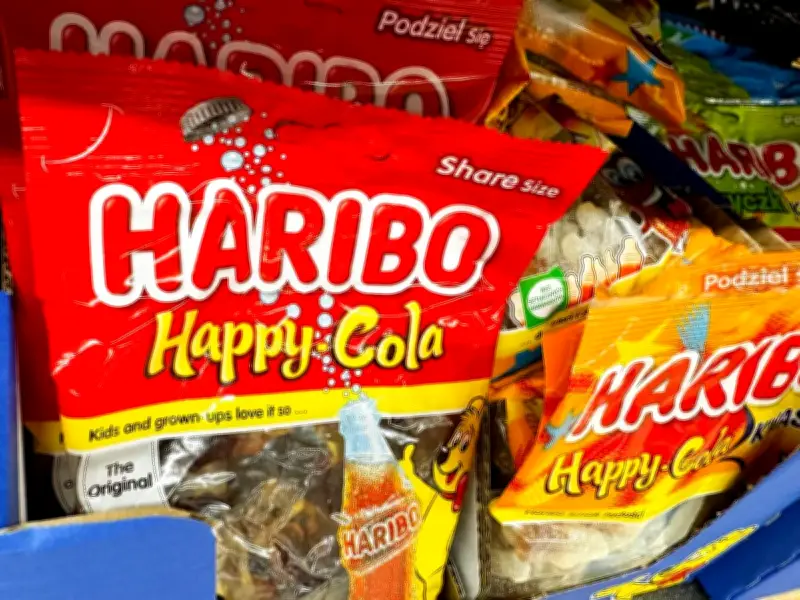
Haribo, the German sweet brand loved around the world, has a name with a hidden meaning that dates back more than 100 years. The name is not a random combination of letters but an abbreviation of its founder's name and the city where the company began.
The origin of the Haribo name
Haribo combines the first two letters of founder Hans Riegel's first name, surname, and hometown: HAns RIegel BOnn. The company was officially registered in 1920 and has since grown into one of the world's best-known confectionery brands.
The brand's history dates back to 1922, when its first gummy bear was introduced. Originally known as the Tanzbär, which translates as Dancing Bear, it was the early version of what would eventually become the famous Goldbears enjoyed today.
What sweet lovers may have missed
Jesper Karlsson, confectionery expert at Swedish Sweets Wholesale, says the story behind the name is a little piece of sweet history that many customers may have missed. He said: "Most people just know Haribo as the colourful bag on the shelf, so the fact that the name comes from a person and a place is a lovely bit of confectionery history.
"It's short, easy to say and easy to remember, which is exactly what you want when a child is asking for a sweet by name."
A growing range of sweets
While Goldbears remain among the brand's most popular products, Haribo has built up a huge range of sweets over the years. Its popular varieties include Rainbow Worms, Starmix and Tangfastics, offering everything from fruity gummy sweets to fizzy favourites.
The company also owns Maoam, another well-known confectionery brand famous for its chewy fruit-flavoured sweets and strips. Despite its international success, the name has remained a reminder of where it all began, with the three-part abbreviation still carrying the history of its founder and the German city where he started the business.