Energy Expert Warns: Five Appliances That Risk Fire If Plugged Into Extension Leads
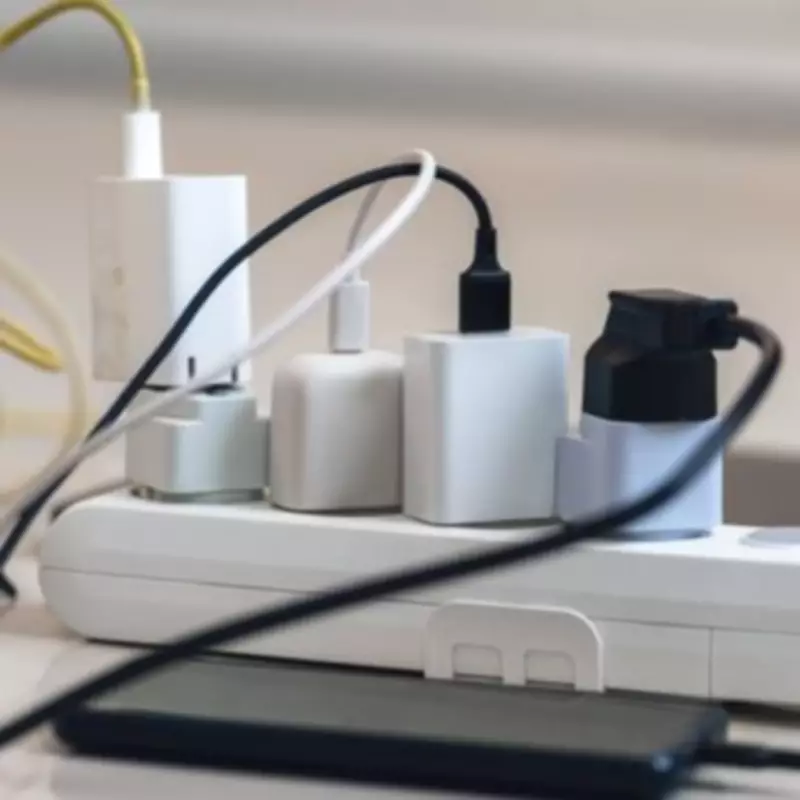
With a multitude of gadgets and appliances in modern homes and a frequent shortage of power sockets, many households turn to extension cables as a convenient solution. However, an energy expert has issued a stark warning that this common practice could be silently elevating the risk of dangerous electrical fires.
Justin Nielsen, an energy specialist at Wolf River Electric, explained the underlying dangers. "Extension leads are engineered to carry a specific maximum current. When you connect equipment that draws significant power, you risk exceeding the lead's design limits. If the cable operates beyond its safe parameters, it can overheat," he stated.
In more severe scenarios, this overheating can lead to melted insulation or even trigger a devastating house fire. Nielsen emphasised, "Just because a device turns on does not mean it is safe. Electrical safety hinges on load management, not merely establishing a connection."

Five High-Risk Appliances to Avoid in Extension Leads
Given these risks, households are strongly advised to refrain from plugging the following five appliances into extension leads and instead connect them directly to wall sockets.
- Microwave Ovens
The expert highlights that microwaves draw a substantial amount of current, even during brief usage periods. They require a high level of power rapidly to heat food efficiently. Nielsen noted that a power surge can strain an extension lead, especially if other devices are also connected. "Kitchen appliances are often grouped together, increasing the temptation to use a multi-socket extension. However, high-wattage devices like microwaves are safest when plugged directly into a wall socket," he elaborated.
- Fridge Freezers
The specialist explained that the issue with fridge-freezers extends beyond mere power draw to include duration. "They cycle on and off continuously, pulling current throughout the day. That ongoing load can cause an extension cable to warm up gradually," he said. When a cable is coiled or covered, heat cannot dissipate properly, potentially damaging insulation over time.
- Washing Machines
Justin highlighted that washing machines rank among the most power-hungry appliances in typical homes. "They draw a large amount of current during heating cycles. When the machine heats water, energy demand spikes sharply. That is precisely when extension leads are most vulnerable," he observed. Modern machines can draw between 2,000 and 2,500 watts at peak operation, necessitating a fixed wall socket for safe support.
- Kettles
Few appliances are used as regularly as kettles in British households. They heat water rapidly, meaning they draw a high current in a short period. Plugging a kettle into an extension lead significantly increases the risk of overheating. Nielsen warned, "People often plug kettles and toasters into the same extension on the kitchen counter. That combination can be particularly hazardous."
- Portable Electric Heaters
Portable electric heaters are popular for cooler evenings when central heating is not desired. However, according to Justin, they are "particularly dangerous" on extension leads. They draw sustained high power for extended periods and are specifically designed to be plugged directly into a wall outlet. "Heat and electricity are already a risky mix. Adding an overloaded cable into the equation is not something I would ever recommend," he cautioned.
In summary, while extension leads offer temporary convenience, prioritising electrical safety by plugging high-wattage appliances directly into wall sockets is crucial to prevent overheating and reduce fire hazards in the home.