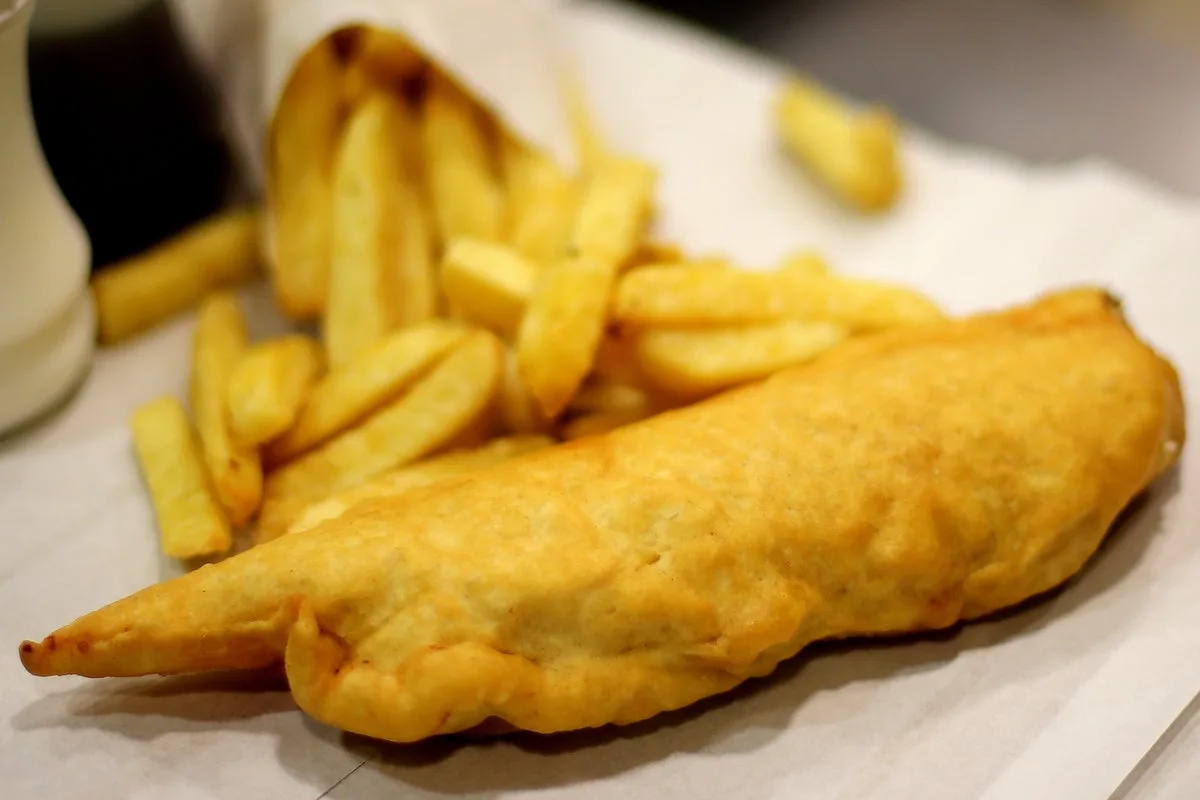
The price of fish and chips has nearly doubled since 2019, with the average cost reaching £11.17 in March 2025, up from £6.48 in 2019, according to the Office for National Statistics (ONS). The beloved takeaway has seen a year-on-year increase from £10.28 in March 2024.
The surge is driven by soaring costs of cod and haddock, exacerbated by conflicts in Ukraine and Iran. ONS data shows fresh and chilled cod, haddock, hake and pollock prices rose 22% from £21.06 to £25.73 per kilogram. Shop owners reported a 45lb box of cod costing £330 in March 2025, a 200% increase from £110 in December 2024.
Energy costs have also spiked, with oil prices reaching their highest since 2022 in late April. Shopkeepers warn that customers must adapt as chippies turn to cheaper alternatives like Norwegian pollock to stay afloat. Andrew Arnold of Railway Street Fisheries in Pocklington told the BBC he sells pollock at £10.50 with reasonable profit, adding that traditional fish and chip shops must diversify or disappear.
Conservation concerns add pressure. In April, the Marine Conservation Society downgraded all UK-caught cod to its worst rating, citing dangerously low populations and no recovery plan. Overfishing since 2015 and rising sea temperatures have depleted stocks. In September 2025, the International Council for the Exploration of the Sea advised zero cod catch in British waters next year to allow recovery.