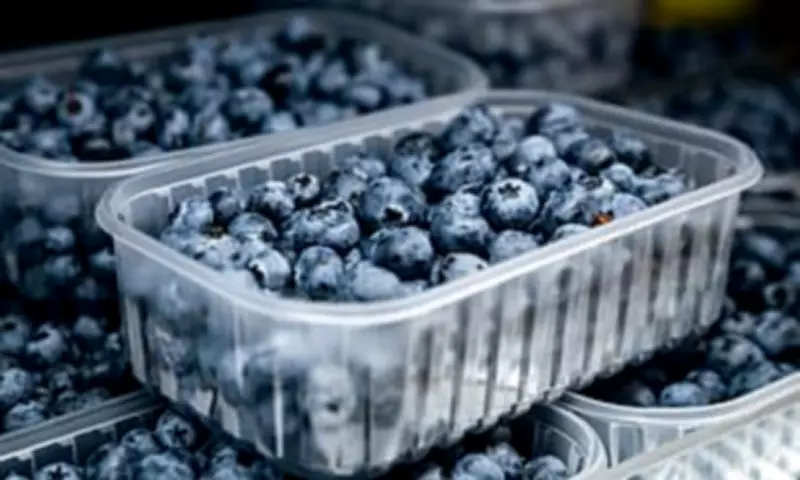
The United States Food and Drug Administration (FDA) has escalated a significant blueberry recall to its highest risk classification, indicating a grave public health threat. The recall, originally issued by Oregon Potato Company on February 12 for 55,689 pounds of blueberries, was upgraded to a Class I recall this Tuesday.
What a Class I Recall Means
A Class I recall is the FDA's most serious designation, reserved for situations where there is a reasonable probability that using or being exposed to a violative product will cause serious adverse health consequences or death. This classification underscores the severity of the potential hazard associated with these blueberries.
The Contaminant: Listeria Monocytogenes
The recall was initiated due to potential contamination with Listeria monocytogenes, a bacterium that causes listeriosis, a severe and potentially fatal foodborne illness. While healthy adults may experience only flu-like symptoms such as fever, muscle aches, nausea, and headache, the infection poses a deadly risk to vulnerable populations.

For pregnant women, listeriosis can lead to miscarriage, stillbirth, or life-threatening complications for newborns. Older adults and individuals with compromised immune systems may suffer severe neurological effects, including confusion, seizures, and even death. The elderly are at a particularly high risk of fatal outcomes due to age-related declines in immune function.
Distribution and Product Details
The recalled blueberries were distributed to customers in four states: Oregon, Washington, Wisconsin, and Michigan. They were not sold directly to consumers in retail stores but were supplied in bulk packaging.
The affected products include:
- 30-pound cases containing blueberries in a polyethylene bag within a corrugated case.
- 1,400-pound totes with blueberries in a polyethylene liner within a Gaylord tote.
Consumers and distributors should check for the following lot codes and expiration dates:
- 30-pound cases: Lot codes 2055 B2, 2065 B1, and 2065 B3.
- 1,400-pound totes: Lot codes 3305 A1 and 3305 B1.
- All packaging: Expiration or best-by dates ranging from July 2027 to November 2027.
The Stark Statistics of Listeriosis
The dangers of listeria are reflected in alarming statistics. Approximately 90 percent of people diagnosed with listeriosis require hospitalization. The illness has a mortality rate of 20 to 30 percent. The Centers for Disease Control and Prevention (CDC) estimates that out of roughly 1,600 annual cases in the U.S., about 260 result in death.
How Contamination Occurs
Blueberries can become contaminated with listeria through exposure to animal manure, contaminated soil, or contaminated water. While blueberries are generally considered low-risk for harboring listeria due to their acidic, low-pH environment, outbreaks linked to them, though rare, do occur.
A Recent Precedent
This is not the first time blueberries have been subject to a Class I recall. In 2025, the FDA upgraded a separate recall involving blueberries from Alma Pak International LLC, a produce packing facility in Georgia. That recall involved 400 boxes, totaling 12,000 pounds, shipped to a customer in North Carolina, though its wider distribution remained unclear.
Important Note: As of now, no illnesses or injuries have been reported in connection with either the Oregon Potato Company recall or the 2025 Alma Pak recall. However, the FDA's decisive action highlights the critical importance of vigilance in food safety protocols and supply chain monitoring to prevent potential tragedies.