Scam Airline Accounts Surge Amid Middle East Flight Disruptions
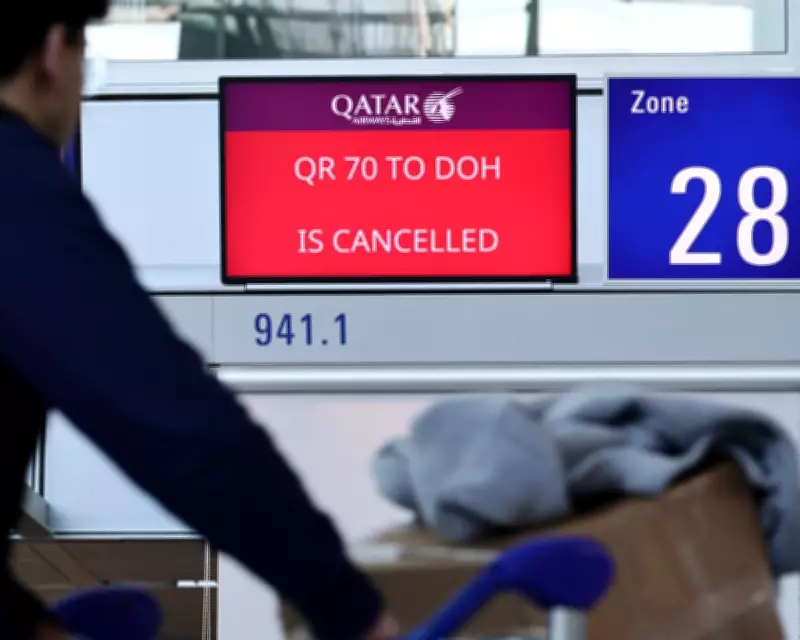
In a troubling development for global travellers, the number of fake airline accounts on social media has significantly increased, with a particular focus on impersonating major carriers such as Emirates, Etihad, and Qatar Airways. This surge is directly linked to the ongoing conflict in the Middle East, which has caused widespread flight cancellations and delays, creating a fertile ground for fraudsters to exploit anxious passengers seeking assistance or refunds.
How the Scam Operates
Criminals are capitalising on the uncertainty by setting up deceptive social media profiles that mimic legitimate airline customer service accounts. These fake accounts often feature official-looking logos and names that include the airline's brand or generic terms like support team or guest services care. They typically have very low follower counts, often in single digits, which serves as a major red flag for users.
The scam unfolds when travellers, frustrated by disrupted travel plans, turn to social media for updates. Fraudsters actively monitor these platforms, replying to posts from passengers who are trying to contact real airline accounts. They offer help, prompting victims to send direct messages with personal details. Once engaged, the scammer claims to process a refund, sends a link to a money transfer app, and instructs the user to use their digital wallet. Instead of receiving compensation, the victim's account is debited, resulting in financial loss.

Warnings from Experts and Airlines
Santander UK has reported hearing from customers who fell victim to these scams after experiencing flight issues. Chris Ainsley, head of fraud risk management at Santander UK, emphasised the urgency of the situation: "Fraudsters are quick to exploit uncertainty, and the travel disruption caused by the conflict in the Middle East is no exception. We're already seeing criminals target people seeking refunds for booked travel and holidays, sending them a link to supposedly receive a refund but instead people's accounts are being charged."
In response, airlines like Etihad have issued public warnings on platforms such as X, stating that they will never request sensitive information like passwords, one-time codes, or payment details through social media messages. This underscores the importance of vigilance among travellers.
Protective Measures for Travellers
To avoid falling prey to these scams, travellers are advised to take several precautions:
- Always verify social media accounts by checking the airline's official website or trusted sources for legitimate links.
- Be cautious of accounts with low follower numbers, as this is a common indicator of fake profiles.
- Never share payment details, passwords, or other sensitive information in response to unsolicited messages.
- Look for updates on official airline websites or the Foreign Office website for accurate travel information.
As the Middle East crisis continues to impact global travel, staying informed and skeptical of online interactions is crucial to protecting personal and financial security.