Easter Egg Shrinkflation Hits Shoppers Hard
This Easter, consumers are facing a bitter reality as shrinkflation takes a significant bite out of their favourite seasonal treats. According to recent investigations by the consumer champion Which?, popular branded chocolate eggs have seen price hikes of more than 40% in some instances, coupled with reductions in size, leaving shoppers paying more for less.
Price Surges and Size Reductions Across Supermarkets
The research highlights several stark examples from major UK retailers. At Asda, the Galaxy milk chocolate extra large Easter egg now costs £5.97 for 210g, compared to £4.98 for a 252g egg in 2025. This represents a 44% increase in the price per 100g. Similarly, Tesco is selling the same egg at £7, a £1 rise from the previous year.
In another case from Asda, the M&M’s Crispy Easter egg has shrunk from 192g to 156g this year, with the price climbing by 49p to £3.97. This equates to a 40% increase per gram. At Tesco, a Maltesers milk chocolate Easter egg has been reduced from 231g to 194g, yet its price has jumped from £6 to £7, resulting in a 39% higher unit price per 100g.

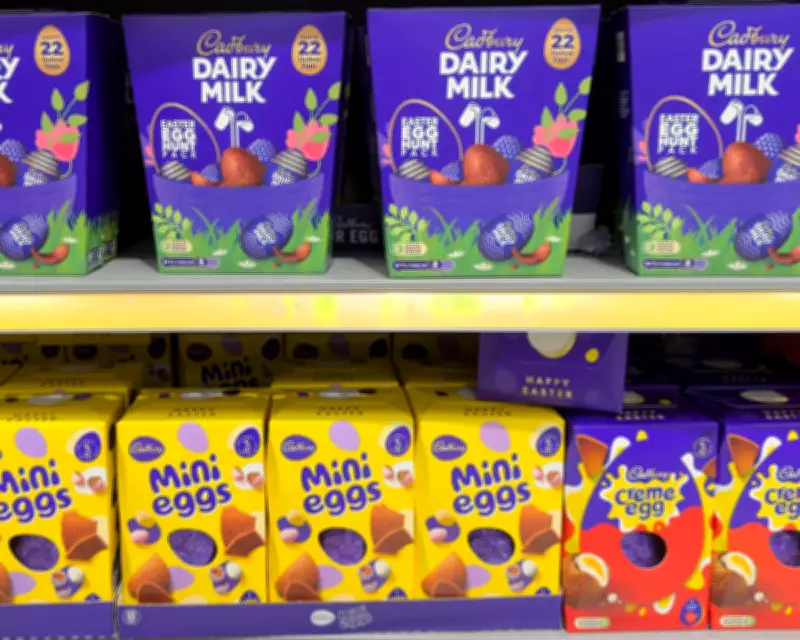
Morrisons is not immune to this trend. A Cadbury Mini Eggs milk chocolate Easter egg has increased from £4 for 193.5g last year to £5 for 181g this year, making it 34% more expensive per 100g. Additionally, the Toblerone The Edgy Egg milk chocolate Easter egg with truffles now costs £15 for 256g, up from £14 for 298g last year, marking a 25% rise per 100g.
Underlying Causes: Cocoa Costs and Supply Issues
The root of these price increases lies in the soaring cost of cocoa, driven by poor harvests in West Africa, particularly in Ghana and Côte d’Ivoire, which produce over half of the world's cocoa beans. Although cocoa prices have retreated from a peak of over £9,000 a tonne at the end of 2024 to around £2,000 a tonne currently, they remained at least double the current level between January 2024 and January 2026.
Confectionery companies, such as Mars Wrigley—owner of Galaxy, M&Ms, and Maltesers—acknowledge absorbing some of these costs. However, the magnitude of the cocoa price surge has inevitably led to higher retail prices. A spokesperson for Mars Wrigley stated, "We always aim to absorb rising costs wherever possible. However, ongoing pressures, including the well-documented rises in the cost of cocoa, mean we have had to make carefully considered changes. As with all our products, final pricing remains at the discretion of individual retailers."
Broader Context and Consumer Advice
Which? tracks 25,000 products across major supermarkets, revealing that while overall food and drink inflation slowed to 3.9% in February, chocolate prices have increased by 9.7% due to persistent global supply challenges.
Reena Sewraz, senior money and retail editor at Which?, commented on the situation, saying, "It’s disappointing to see Easter treats aren’t safe from shrinkflation. Manufacturers are quietly giving shoppers less for more, so it’s no wonder people feel cheated." She advised consumers to always check the price per 100g on shelf-edge labels rather than just the headline price to ensure fair comparisons between brands and sizes.
In response, a Tesco spokesperson noted, "The prices quoted by Which? do not reflect the prices that the great majority of customers will pay for Easter eggs at Tesco. Four of the five products Which? highlighted are currently on Clubcard Price deals, with the Galaxy Milk Chocolate Easter Egg and the Maltesers Milk Chocolate Egg both currently half price at just £3.50."
As Easter approaches, shoppers are urged to stay vigilant, with shrinkflation continuing to impact their wallets and holiday traditions.