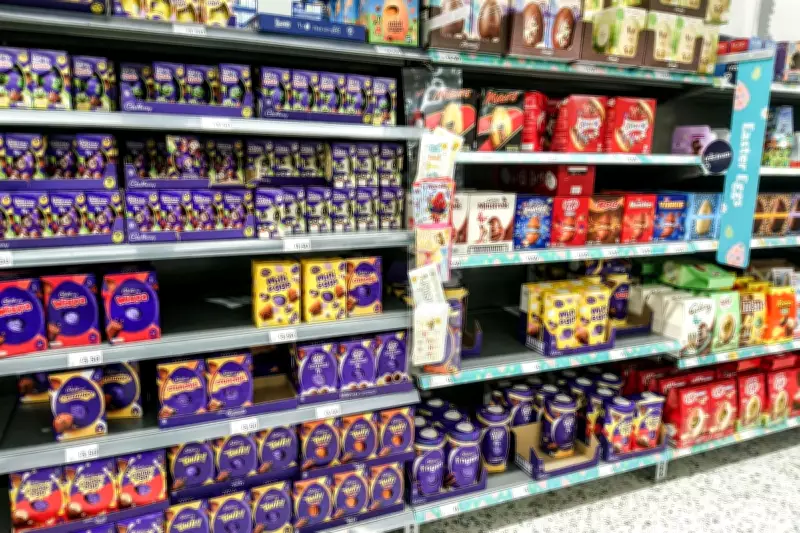
Easter egg shoppers are confronting a shrinkflation "double whammy" of escalating prices and diminishing product sizes, according to a stark warning from consumer group Which?. The organisation, which monitors approximately 25,000 items across major UK supermarkets to track grocery price fluctuations, cautions that consumers are increasingly paying more for less during the seasonal shopping period.
Chocolate Inflation Outpaces Overall Food Costs
Which?'s supermarket food inflation tracker reveals a concerning disparity: while overall food and drink inflation has moderated to 3.9% in the year to February, chocolate prices have surged by 9.7% annually. This sharp increase is attributed to persistent global supply chain disruptions, including a severe cocoa shortage driven by poor harvests and climate-related challenges.
Shrinkflation Becomes Prevalent in Seasonal Aisles
The consumer group's analysis indicates that shrinkflation—where products shrink in size while prices remain stable or increase—has become a "prevalent trend" in seasonal grocery sections. Which? notes that this practice leaves shoppers feeling short-changed, as they receive diminished value for their expenditure.

Premium Products Show Highest Inflation Rates
Further data from the inflation tracker highlights that supermarket own-label premium products are experiencing the highest inflation rates at 6.7%. This exceeds the inflation for budget own-brand items (4%) and branded products (2.8%), suggesting that cost-conscious consumers may need to reassess their purchasing strategies.
Practical Advice for Cost-Effective Shopping
To combat these trends, Which? recommends that shoppers scrutinise unit prices—such as the cost per 100g or 100ml—rather than relying solely on headline prices. This method enables accurate comparisons across different brands and sizes, helping consumers identify genuine bargains.
Reena Sewraz, Which? retail editor, commented: "It's disappointing to see Easter treats aren't safe from shrinkflation, with some products going up in price significantly, even though they're smaller than last year. Manufacturers are quietly giving shoppers less for more, so it's no wonder people feel cheated when they get less bang for their buck."
Discounters Offer Potential Savings
Which? also points out that discount retailers Aldi and Lidl frequently provide viable alternatives for households seeking to reduce grocery expenses. Their researchers regularly identify these stores as cost-effective options amidst rising prices.
Industry Responses to Pricing Pressures
In response to inquiries from Which?, a Sainsbury's spokesperson emphasised the supermarket's commitment to value, stating: "We know Easter is a time many come together which is why we are focused on giving customers brilliant value with trusted quality."
A spokesperson for Mars Wrigley, which owns popular brands like Galaxy, M&Ms, and Maltesers, explained: "We always aim to absorb rising costs wherever possible, however, ongoing pressures, including the well-documented rises in the cost of cocoa, mean we have had to make carefully considered changes to ensure shoppers can continue to enjoy their favourite Easter treats without any compromise on the quality or taste they expect from Mars." The company noted that final pricing decisions rest with individual retailers.
The combination of high demand, increased energy and transportation costs, and climate-related factors has collectively driven retail chocolate prices upward, underscoring the challenges faced by both consumers and manufacturers during this festive season.