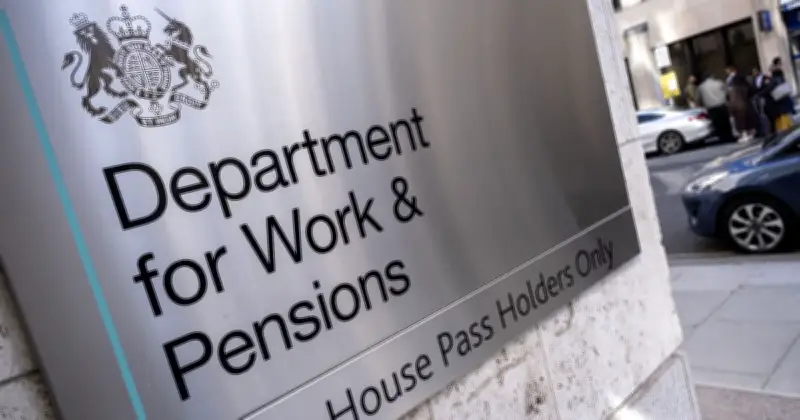
The MoneyHelper Pensions Dashboard, a tool being developed by the Money and Pensions Service (MaPS), a government body sponsored by the Department for Work and Pensions (DWP), will allow Brits to check whether they have a pension pot they were not aware of. A previous estimate put the average value of a missing pot at more than £9,400.
Billions in unclaimed pension pots
Many workers have had multiple employers throughout their careers, and each employer may have enrolled them in a pension scheme. Each company typically has its own selected plan, sometimes making it tough to keep track of the funds contributed across employers. As a result, billions of pounds are estimated to be sitting around just waiting to be claimed.
Research by the Pensions Policy Institute (PPI) published in 2024 suggested that as much as £31.1 billion could be lying in unclaimed, inactive, or lost pension pots. At the time, 3.3 million pension pots were considered lost, at an average sum of £9,470. However, the amount any one worker has can obviously be much higher or much lower.

Progress and timeline for launch
The PPI is putting out the Lost Pensions 2026 report in October, which will include Defined Benefit (DB) providers for the first time, and is expected to contain a more up-to-date estimate of the average value of lost pension pots.
In a progress update report published in July, the MaPS said around 85% of pension records were available through dashboards. The dashboard is expected to launch for public use in Financial Year 2027/28, with user testing underway.
The goal is for people to be able to enter their personal information to sign in securely, and see all the pensions they've been enrolled on in one place, so fewer pension pots get lost.
Legal requirements and industry response
Under legislation introduced from 2021 onwards, providers that fall within the remit are legally required to connect to the dashboard before the deadline. This includes all personal pension providers subject to the FCA rules and occupational pension schemes with 100 or more relevant members.
The DWP said at the time: "The successful delivery of pensions dashboards remains a priority for the Government. We welcome the progress our delivery partners have made as well as the continued engagement and cooperation of the pensions industry.
"We are pleased to see good progress on connection in line with DWP’s staged timetable. With 4 months to go before the statutory connection deadline, it is crucial that industry maintains this momentum.
"The Government encourages the pensions industry to continue to engage with the latest guidance and standards from DWP, MaPS, and the regulators to support successful connection. As testing is underway, continued adherence to these standards will ensure the dashboards service is secure, reliable, and capable of delivering a positive user experience."
Rachel Vahey, head of public policy at investment platform AJ Bell, commenting on the development back in July, said: "With some real progress being made on the project, the DWP, Money and Pensions Service and the pensions industry are keen to keep up the momentum. Provided progress isn’t hindered by any serious bumps in the road we should get a full timeline for a public launch date later this year.
"Once all pension schemes have connected, and the pensions dashboard has been thoroughly tested to make sure it’s giving people the right information in the right way, the DWP can set a launch date for the public."
Ms Vahey said this probably won’t be until midway through next year "at the earliest but there is now some light at the end of the tunnel".
"For consumers it means they’re one step closer to having access to an ‘all in one’ view of their pensions," she added. "Getting your pensions sorted is one of the most valuable personal finance tasks you’re ever likely to do, but it is still really tempting to put off doing your pensions paperwork.
"Dashboards will make it much easier for people and should eventually become a tool that millions of people use to help organise their finances and, in many cases, switch pension accounts to one with better service, pricing and investment choices if they aren’t happy with the pension providers they’ve got today."