The Rise of Dinkwads: How Dogs Are Becoming the New Babies
In a world where birthrates are plummeting, a fascinating trend is emerging: couples are increasingly choosing to lavish care and money on pets rather than children. Known as Dinkwads – dual income, no kids, with a dog – this lifestyle is gaining traction across the UK, with one in three postcodes now home to more dogs than children. From medical scares to birthday parties, the parallels between raising a dog and a child are striking, yet many find the former more achievable in today's economic climate.
Personal Stories: From Epileptic Dachshunds to Golden Retriever Parties
Bryan Bell, a 40-year-old PR professional, recalls the traumatic moment his miniature dachshund, Patti, collapsed with a fit. "It was quite a traumatic experience because I didn't know what was happening," he says. Diagnosed with epilepsy, Patti now requires £180 monthly medication on top of £60 for high-quality food. Bell and his husband, John, see this as a manageable responsibility compared to the £800 monthly nursery bills their friends with children face.
Similarly, Mary Skinner, a 27-year-old content creator from Edinburgh, and her husband celebrate their golden retriever, Fergus, with birthday parties complete with hats and dog-safe cake. Growing up in a large family, Skinner once assumed parenthood was inevitable, but now embraces a child-free life with her dog. "Having a dog is the level of responsibility that we feel comfortable with," she explains.

The Social and Economic Drivers Behind the Trend
Dr Bethan Greenwood, a research officer at the Dogs Trust, notes that rising living costs and changing lifestyles are key factors. "Some people feel that welcoming a dog into their home is a more achievable way to build companionship and routine," she says. With an estimated 13 million dogs in the UK – just two million short of the total number of children – and birthrates at a record low, this trend shows no signs of slowing.
The term Dinkwad has gone viral, with the hashtag garnering almost 135 million views on TikTok, according to pet insurers Everypaw. This visibility reflects a broader cultural shift, as younger owners, particularly those aged 25 to 34, are more likely to view themselves as their dog's parent. Laura Gillet, a researcher in ethology, suggests that in an increasingly isolated society, dogs fulfill a deep human need for social connection. "We redirected these feelings towards pets because they are easily accessible," she says.
Distinguishing Dogs from Children: A Nuanced Perspective
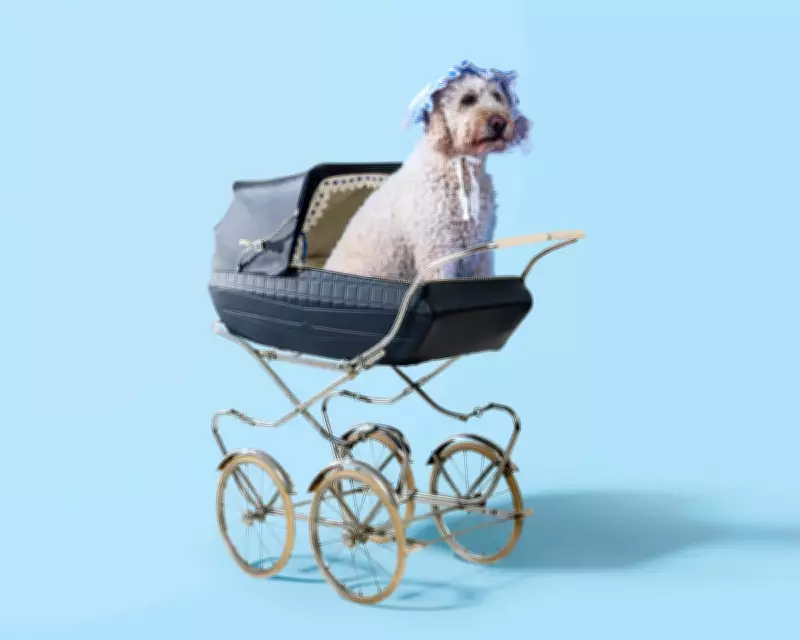
Despite the lavish products like dog prams and babyish-scented shampoos, most owners understand the differences between a fur child and a human baby. In a review for the European Psychologist, Gillet found that even self-identified "dog parents" recognise these distinctions. Part of the appeal lies in dogs demanding less time and money, offering a more flexible form of nurture.
For some, like actor Vera Chok and her husband, getting a dog solidified their decision to remain child-free. "We're strict about things – he has to be calm when he leaves the house," Chok says of their Australian labradoodle, Ubi. However, the Dinkwad phase can be transitory. Moira Davies, a 28-year-old model from Lancashire, initially felt put off children after getting a border collie, Finn, but now she and her fiancé are considering parenthood. "Maybe it changed things for us," she reflects.
Looking Ahead: The Future of Pet Ownership
As parenting costs soar, dogs provide an affordable outlet for nurturing instincts. Whether as a stepping stone to parenthood or a lifelong commitment, the Dinkwad phenomenon is set to grow. Gillet predicts, "International trends show a clear rise in pet ownership. The phenomenon will not stop." With breeds like labradoodles and dachshunds becoming popular choices, the bond between humans and dogs continues to evolve, reshaping modern family dynamics in profound ways.