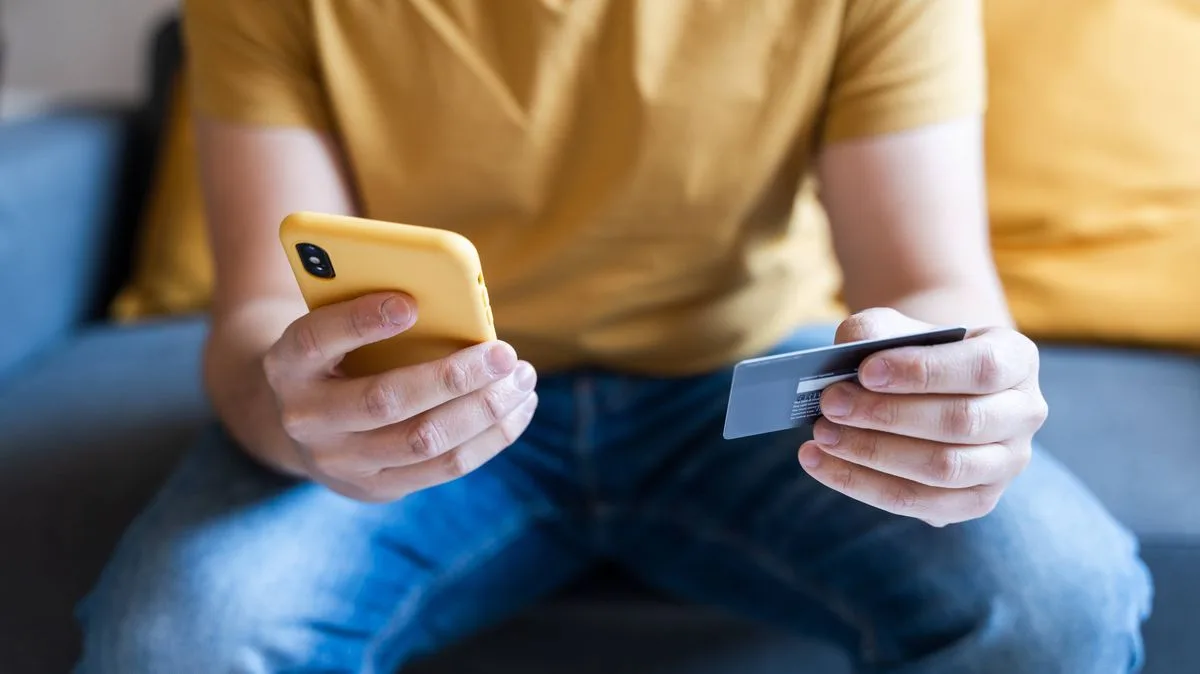
The shift to a digital-first world has made buying easier than ever, but many consumers are unaware that pressing 'buy' does not always mean ownership. Digital products, from e-books to films, are typically sold under a licence, not as a physical asset. This means retailers can revoke access or alter the product at any time, leaving you without the item you thought you had purchased.
For example, an e-book bought on a Kindle can disappear or change if it is updated or archived, while films purchased through streaming platforms may only be usable within that platform. To protect yourself, always read the terms and conditions. If you want to keep a digital item, check whether it can be downloaded and stored independently, or consider renting instead of buying outright.
This uncertainty has led to a growing interest in physical media such as vinyl, CDs, books and video games, which cannot be taken away or changed once owned. However, even physical purchases can come with hidden restrictions. Some printers, for instance, are cheap to buy but require a subscription for ink, and stop working if you cancel. Always consider whether an item has ongoing costs before committing.
For those on a budget, second-hand shops like CEX and charity stores offer a cost-effective way to buy physical products, sometimes saving up to 90% off the original price. Online cashback sites and discount codes can also reduce the cost of new physical items. The key is to weigh whether you will get long-term value from owning something, or whether a digital rental or subscription better suits your needs.
Your statutory rights are similar for digital and physical purchases. Under UK law, you have 14 days to change your mind when buying online, though for digital products this right is waived if the retailer explicitly tells you before you download. If a digital product is faulty, you can claim a refund, repair or replacement for up to six months. If it damages your device, the retailer is responsible for fixing the damage or providing compensation.
Understanding these rights can help you make informed decisions. Whether you choose digital convenience or physical ownership, knowing what you are actually entitled to is the first step in protecting yourself as a consumer.