Dehumidifier Running Costs: Expert Analysis on Energy Use and Savings
Dehumidifier Running Costs: Expert Tips for Energy Savings

Dehumidifier Running Costs: What Experts Say About Energy Use and Savings

With energy bills continuing to rise across the UK, investing in another household appliance might seem like an unnecessary expense. However, as damp, condensation, and mould become increasingly common in homes during the winter months, a dehumidifier can prove to be a smart and cost-effective solution. These versatile machines not only reduce excess moisture and prevent mould growth but also eliminate musty odours and dry laundry faster, often at a lower cost than traditional tumble dryers.

Despite their benefits, dehumidifiers are not cheap, making it crucial to consider both the upfront purchase price and the daily running costs. While they protect clothing from damp smells and minimise moisture-related damage in the home, many households still question whether they are truly worth the investment and how much electricity they consume. To address these concerns, we have analysed the numbers and consulted industry experts to provide insights into daily running expenses, tips for reducing energy use, and recommendations for top-performing models.

How Much Does It Cost to Run a Dehumidifier?

Katie Lilywhite, an air treatment expert at AO, explains that on average, a dehumidifier might be used for four to six hours daily, particularly during colder months or in damp environments. In more humid conditions or larger spaces, usage could extend for longer periods. The exact cost depends heavily on how often the device is used and the energy efficiency of the model.

Wide Pickt banner — collaborative shopping lists app for Telegram, phone mockup with grocery list

Chris Michael, founder and chair of leading dehumidifier company Meaco, emphasises that choosing an energy-efficient model is key. He warns that a cheaper model with high energy consumption can be a false economy, regardless of its size. However, size does play a role in costs. Smaller models, ideal for flats or smaller homes, can cost as little as four pence per hour to run, while larger models, suited to bigger or damper properties, may cost up to fifteen pence per hour.

Factors Influencing Dehumidifier Costs

Several factors can impact the running costs of a dehumidifier. Room temperature is a significant consideration, as dehumidifiers operate more efficiently in warmer conditions. Air flow is also important; placing the unit centrally with good air circulation helps it work faster and use less energy. Additionally, leaving windows and doors open during use can increase costs, as the dehumidifier must work harder to remove new moisture constantly entering from outside.

According to Chris Michael, other factors include room size, frequency of use, the model's energy efficiency, and current electricity prices. He also notes that the initial investment matters, as better quality machines often cost more upfront but last longer and consume less energy, leading to long-term savings.

Top Dehumidifier Recommendations

Our expert guide to the best tried and tested dehumidifiers features several recommendations, with the Duux Bora Smart 30L Dehumidifier securing the top spot. Tester and air quality expert Joanne Lewsley found it to be a high-performance model that is as stylish as it is functional. With a 30L per day extraction rate and a generous 4L water tank, it is ideal for larger rooms or open-plan spaces. The smart functionality, including an intuitive app that provides real-time air quality readings and remote control options, sets it apart from other models.

For those on a budget, the Wessex Dehumidifier 12L, available for under £100, offers great value. It works effectively in rooms between 15 and 25 square metres and includes a laundry function for drying clothes. Our tester appreciated its portability and child lock feature, making it a practical choice for most homes.

Tips for Saving Money with a Dehumidifier

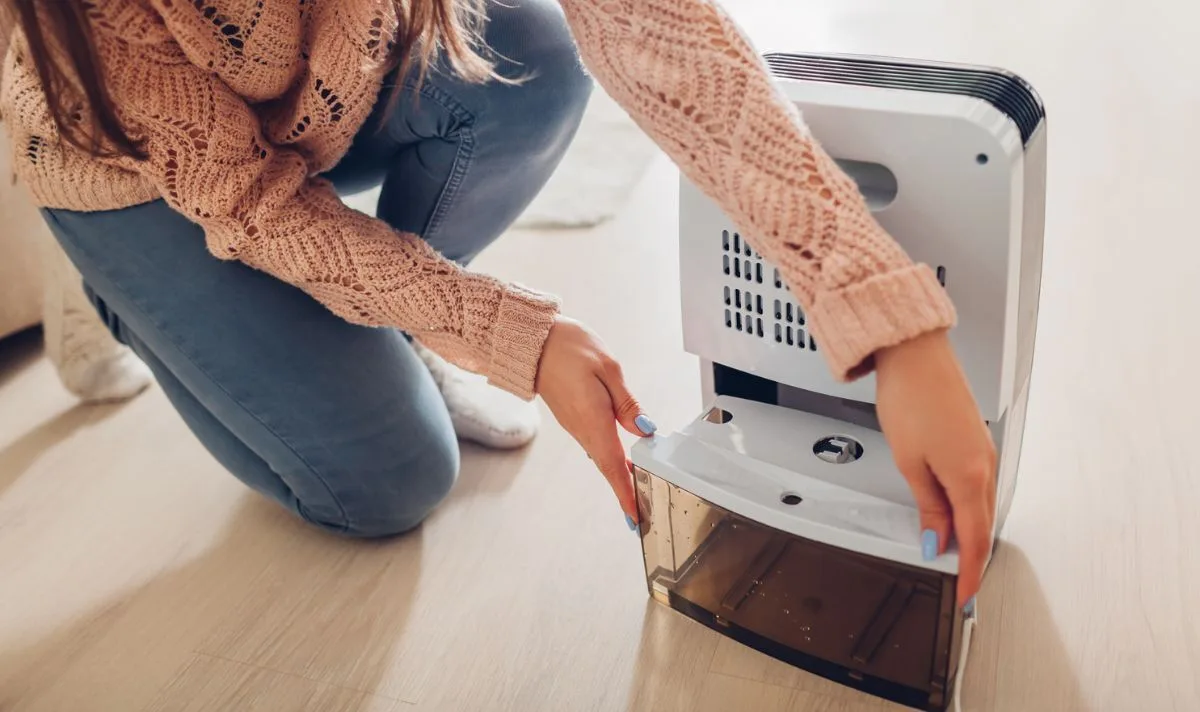
To reduce costs, Katie Lilywhite suggests keeping windows and doors closed while the dehumidifier is in use. Proper placement is crucial; avoid putting the unit in a corner and instead position it in the centre of the room to ensure adequate air circulation for moisture removal. Regular maintenance, such as emptying the removable tank, is essential to prevent mould and bacteria growth and extend the appliance's lifespan.

Pickt after-article banner — collaborative shopping lists app with family illustration

Chris Michael recommends choosing an energy-efficient model with a humidistat, which allows the dehumidifier to maintain a set humidity level, switching off automatically when reached and only turning back on if humidity rises. This ensures the unit runs only when needed, saving electricity. He also advises looking for models with a long warranty, as this often reflects better build quality and reduces the need for frequent replacements.

Dehumidifiers have gained popularity as a cost-effective method for drying laundry, with money-saving expert Martin Lewis highlighting their efficiency compared to tumble dryers. To speed up drying time, place the dehumidifier next to the clothes rack in a closed room and use a cooling fan opposite to create airflow that pushes moisture out of the clothes for the dehumidifier to capture.

In summary, experts clarify that dehumidifiers offer significant benefits, including mould prevention and laundry drying, with careful selection and usage leading to substantial household savings.