In the ever-evolving world of food manufacturing, the adage 'If it ain't broke, don't fix it' is a rare mantra upheld by a select few classic British products. While tastes and economic pressures continuously shift, leading to widespread ingredient changes in items from Cadbury's chocolate to M&S shortbread, some beloved brands have defiantly maintained their original formulas for decades or even centuries.
The Rise of Shrinkflation and Ingredient Tweaks
As manufacturers seek to cut costs or adapt to modern demands, practices like 'shrinkflation' and 'skimpflation' have become commonplace, involving reducing product sizes or substituting cheaper ingredients. This trend has even spawned new terminology, including the coarser term 'Enshi**ification'. A prime example is the increased use of palm oil, a versatile but controversial vegetable oil linked to deforestation and health concerns due to its high saturated fat content. Since the 1990s, global production has surged, with projections estimating around 240 million tonnes by 2050 to meet demand in foods, cosmetics, and cleaning products.
Classic Products That Have Changed
Many iconic items have not escaped modification. Supermarket pestos, for instance, have faced criticism for swapping core ingredients like olive oil and pine nuts with cheaper alternatives such as sunflower oil and cashew nut blends. Similarly, brands like Kellogg's All Bran have been made crunchier, and Cadbury's chocolate now uses cheaper cocoa, reflecting a broader industry shift away from original recipes in pursuit of increased profits.

British Favourites That Remain Unchanged
Despite these trends, a surprising number of classic British products have resisted meddling, offering nostalgia-filled favourites that Baby Boomers cherish. Here are some standout examples that have kept their recipes intact.
Lyle's Golden Syrup
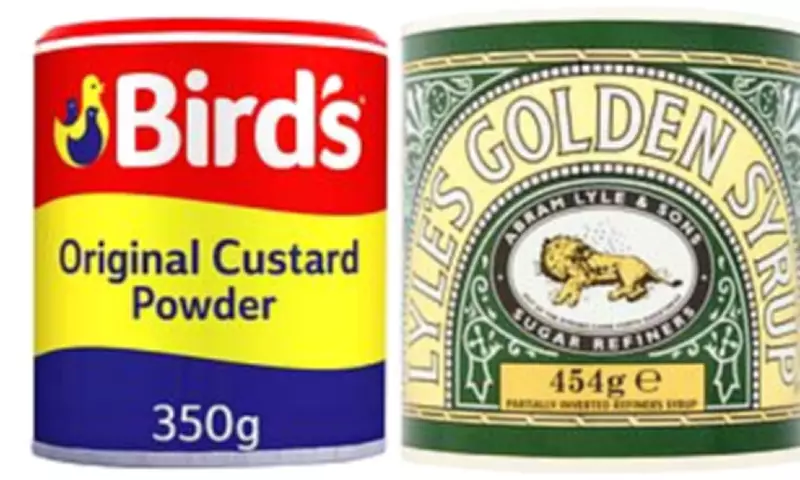
This baking staple, founded in 1881, contains just one ingredient: a syrup derived from sugarcane. Its sticky recipe has remained unchanged for over a century. The only notable update came in 2024, when the controversial branding featuring a dead lion swarmed by bees—a Christian analogy from the Book of Judges—was replaced with a simpler lion's head on squeezy bottles, deemed more palatable for modern generations.
Lea & Perrins Worcestershire Sauce
A cult favourite for enhancing dishes from steaks to cheese on toast, Lea & Perrins Worcestershire sauce stays true to its original recipe in the UK, though Americans receive a slightly sweeter version. Its 'umami' flavour has recently garnered a new audience, aligning with contemporary trends for savoury tastes.
Bird’s Custard Powder
Since the 19th century, this pantry staple has allowed for quick custard preparation by adding sugar and milk. While minor tweaks have occurred, the core recipe from the 1830s remains similar today, consisting of cornflour, natural flavouring, a pinch of salt, and annatto food colouring for its yellow hue.
Kendal Mint Cake
This sugary Cumbrian treat, such as Romney's brand, is made much as it was when first produced, containing only glucose, water, sugar, and peppermint oil. It offers a simple, additive-free indulgence, though dentists might disapprove of its high sugar content.
Walker’s Shortbread
Perfect with a cup of tea, especially in Scotland, Walker's Shortbread has managed to avoid major additives, using less than five ingredients with butter as the primary fat. This commitment to simplicity sets it apart from many other biscuits filled with artificial components.
Fisherman’s Friend
Created in 1865 by pharmacist James Lofthouse in Fleetwood, Lancashire, these fiery cough sweets retain their original blend of eucalyptus, liquorice, and sugar. A natural thickener called 'tragacanth gum' is used to shape the pellets, maintaining a plant-based, tasteless formula that has stood the test of time.
In an era where ingredient alterations are the norm, these classic British brands serve as reminders of culinary heritage, proving that some traditions are worth preserving.