As food prices continue to strain household budgets across the United States, many consumers are finding that the convenience of ordering meals directly to their doorstep comes with an unexpected and often steep additional cost. A recent online controversy has ignited a fierce debate about transparency in food delivery pricing, after a fast-food enthusiast shared their experience of encountering hidden markups when opting for delivery through a restaurant's own application.
The Reddit Revelation That Sparked Widespread Discussion
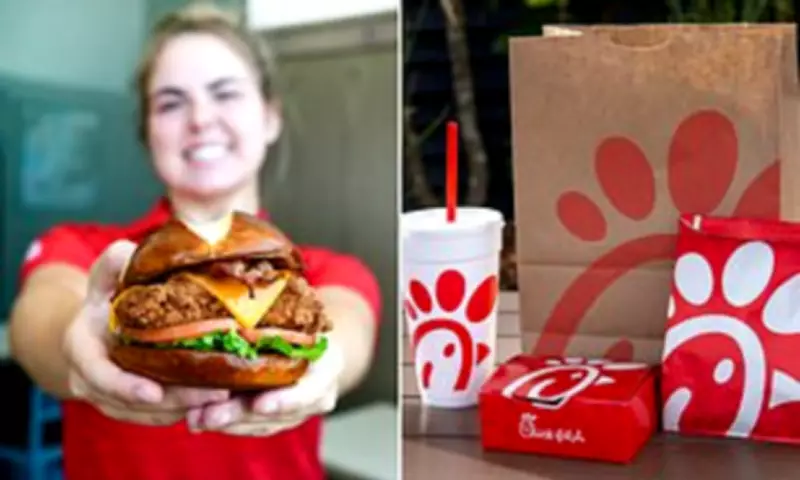
In a detailed post on the popular social media platform Reddit, a Chick-fil-A customer disclosed that they regularly order the same salad priced at $10.15 for pickup multiple times each week. However, when they selected the exact same item for delivery through the Chick-fil-A application, the price inexplicably surged to $13.19, representing a substantial 30 percent increase. The customer emphasized that this markup occurred even though the promotion prominently advertised "free delivery," leading them to describe the practice as misleading and deceptive.
"For two salads, that's over $6 extra just in menu markups," the user wrote in their post. "With other fees, it ends up $7–8 more before even tipping the driver." They further noted that the order was placed directly through Chick-fil-A's proprietary application, not through third-party marketplaces like DoorDash or Uber Eats, where customers typically anticipate additional charges and fees.

Industry-Wide Practice of Delivery Pricing Markups
Industry analysts confirm that higher menu prices for delivery orders are an extremely common practice throughout the restaurant sector, even when customers utilize a brand's official application. This phenomenon, known as "delivery pricing," involves restaurants implementing slightly elevated menu prices that only appear when the delivery option is selected. The rationale behind this strategy is to offset the significant commissions charged by delivery partners, which frequently range from approximately 15 to 30 percent of the total order value.
Many restaurants, including major chains, rely on third-party logistics networks such as DoorDash or Uber to handle deliveries, even when orders are placed through branded applications. Consequently, customers often find themselves paying both increased menu prices and additional service or delivery fees, which can dramatically inflate the final bill. Consumer advocates argue that this pricing structure fosters confusion, particularly when promotions emphasize "free delivery" without adequately disclosing that menu prices may be substantially higher.
Widespread Consumer Complaints and Similar Experiences
The Chick-fil-A customer's complaint rapidly resonated with numerous other users online, many of whom reported observing analogous pricing discrepancies when ordering delivery from various prominent restaurant chains. One commenter lamented their experience with Uber Eats, stating: "Uber Eats is just as bad. One time I had a 65 percent off coupon and free delivery. The food cost $27. The total came out to be $17.50 with both coupons, before tip."
Another Redditor speculated about the underlying reasons for the markups, suggesting: "My guess is that they put it on the customer to essentially pay for the gas and insurance for the Chick-fil-A delivery driver. That’s why there’s a 30 percent price increase using their delivery service. Using DoorDash or Uber Eats isn’t any cheaper than Chick-fil-A delivery."
This practice is not isolated to Chick-fil-A alone. Price comparisons conducted by consumers and food industry observers have identified similar differences across other major brands, including McDonald's, Chipotle, and Starbucks. In many instances, customers end up bearing the brunt of both elevated menu prices and supplementary service or delivery fees, which can significantly escalate the overall cost.

Restaurant Defenses and Consumer Takeaways
Restaurants frequently defend these higher prices by asserting that they reflect the added expenses associated with preparing, packaging, and transporting food, as well as the commissions paid to delivery partners. Despite these justifications, the fundamental takeaway for diners remains unequivocal: pickup is generally the most economical option, even when enticing delivery deals are advertised.
As the debate continues to unfold online, the Daily Mail has reached out to Chick-fil-A for comment regarding its specific price structuring strategies. This incident underscores the growing need for greater transparency in food delivery pricing, ensuring that consumers can make fully informed decisions without encountering unexpected financial surprises at checkout.