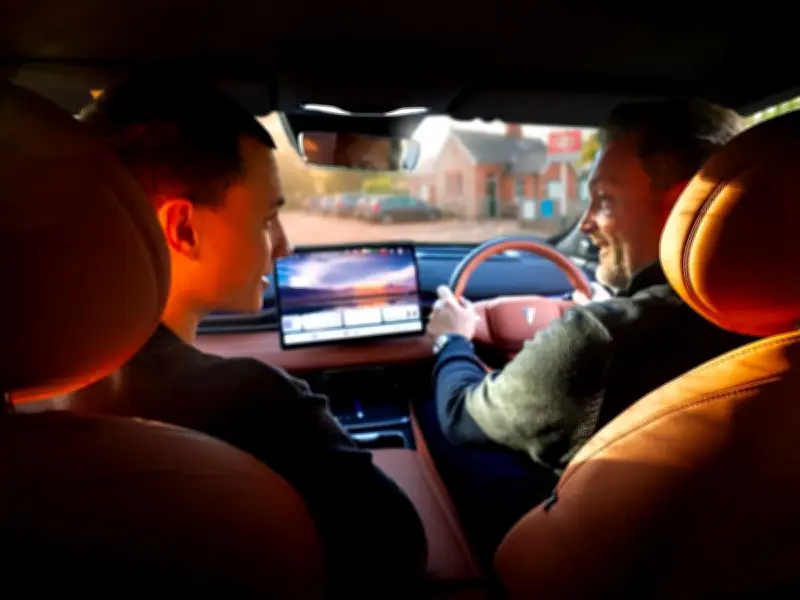
More than four in ten UK parents (41%) say the most meaningful conversations they have with their children now take place in the car, according to research from Changan UK. The car has overtaken the dining table as the favoured setting for family talk.
Car ranked top spot for meaningful chats
The report found that daily school runs and weekend road trips are where modern British families really talk. The car ranks ahead of the traditional dining table (29%), family walks (33%) and kids' bedrooms (30%) as the place where meaningful conversations happen most.
This shift comes as a third of parents (33%) admit going a week without sitting at the dining table for a proper chat, blaming busy schedules (25%), differing mealtimes (20%) and work (19%). When conversations do happen at home, 56% say they are interrupted by texts, phone calls or notifications within just 10 minutes.
What parents and teens say
Almost half (44%) of parents say car conversations have revealed something about their child's friendships, while 44% discovered something their child is worried about. 40% learned their child's opinion on something and two-fifths (39%) have heard a funny story about something that has happened to them.
School pressures (38%), friendship fallouts (35%) and worries or anxieties (31%) are the topics teens find easiest to discuss at the dashboard compared with any other setting. More than half (55%) say they have shared a major worry or personal concern with a parent during a car journey that they had previously avoided discussing at home.
60% say they find it easier to have meaningful conversations with their parents in the car than anywhere else. Nearly two-thirds of teens (64%) say they look forward to car journeys with their parents, with three-quarters (75%) considering it genuine quality time.
Why the car works
More than half (52%) also say some of their most memorable life conversations have happened inside the family car. For more than a third of teens (37%) conversations happen more naturally in the car, while others put it down to feeling more relaxed (32%). Two-thirds (67%) agree that not having to make direct eye contact makes meaningful conversations in the car less intimidating.
Clinical Psychologist Dr Linda Blair said: "In an increasingly busy world, families find it hard to establish times when everyone can be together, which is why time in the car has become so important. It offers a great opportunity for teens to open up about what's on their mind."
"When a parent or caregiver is driving, they can't make prolonged direct eye contact with their teen. This is important because, even when well intentioned, maintaining direct eye contact with someone when they're speaking can make them feel they're being scrutinised, judged or even criticised, and this is especially the case during adolescence."
"Another advantage of opening up during a car journey is that the car provides a safe and secure space which, in contrast to rooms at home, is comfortably smaller, cosier and freer from distraction. This encourages a feeling of closeness and acceptance."
A Changan UK spokesperson said: "Every parent knows the school run can be the best part of the day or the most chaotic - and often both. What the research shows is that the car has become a space for laughs, shared playlists and an important time for family connection."
Tips to encourage car chats
Dr Blair offers five tips to encourage kids to chat in the car: let the silence be comfortable, as a quarter of parents say teens only need around five minutes on the road before they start chatting; let them steer the conversation, even if it is a 20-minute summary of a TikTok trend; go with something light, sharing a funny or light-hearted moment from your own day; offer a genuine compliment about something you have noticed about your teen recently; and take the long way home if the chat is flowing, as plenty of good conversations end too soon because you have reached your destination.