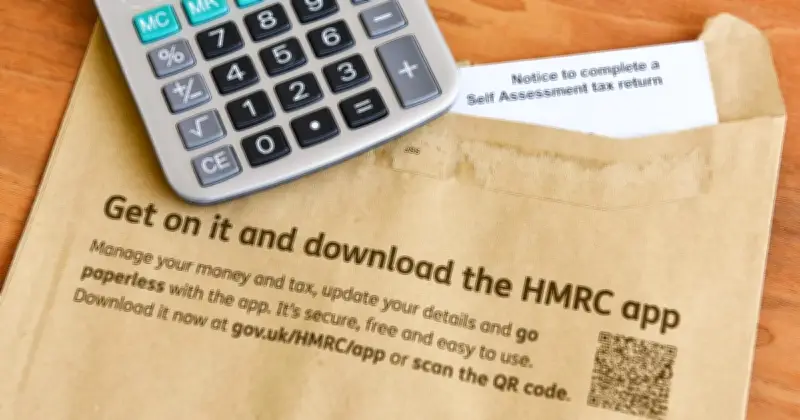
Millions of British workers will see a major change to how they pay tax from April 2029, as the Government overhauls "payments on account" to require smaller, more regular payments throughout the year. The change is designed to modernise the tax system by collecting money closer to when profits are actually made.
Money experts at Which? claim this could affect up to 3.6 million British people, after HMRC said around 30% of the 12 million who file self-assessment currently make payments on account.
Current rules and the shift ahead
Under the current rule, self-employed workers must file an annual self-assessment return and pay any tax due by January 31 for the previous tax year. For sole traders and landlords with qualifying income over £50,000, Making Tax Digital (MTD) reporting rules have applied since April 2026.
This requires quarterly updates of income and expenses, followed by a final year-end declaration, but the payment deadline remains January 31. On top of that, taxpayers with a bill over £1,000 who have not already paid at least 80% of their tax at source must usually make payments on account.
How payments on account work
These are advance payments towards the next year's tax bill, split into two equal instalments due in January and July, based on the previous year's earnings. A final balancing payment (or refund) then settles any difference once the return is filed.
The problem, experts argue, is timing. Under today's system, the first advance payment can arrive 10 months into the tax year, and the final balance may not be settled for up to 22 months, leaving a long delay between earning income and paying the tax on it.
Impact and preparation
From April 2029, the Government wants those making payments on account to switch to more frequent in-year payments, though it has not yet confirmed exactly how the new schedule will work. Ministers say people will not pay more tax overall - they will simply pay what they owe earlier. The Treasury forecasts the move will raise around £1.3bn in its first year, rising to £1.8bn two years later.
However, tax experts warn the proposals still lack key protections. During the changeover, old and new payment deadlines are expected to overlap, meaning some people may have to pay tax for previous years while also paying towards the current year. The OBR estimates this could remove £17bn from self-employed people's cash reserves in 2029–30 alone. For seasonal businesses, paying earlier could bite before peak income arrives - and research by IPSE suggests one in three self-employed workers has less than three months of business expenses in savings.
Which? says affected taxpayers should start preparing now before the changes become a reality. It suggests several ways that businesses could better prepare themselves for the updated way things will work.
This includes setting aside tax as they're paid, keeping records up to date, filing early to understand liabilities, chasing late invoices, checking PAYE coding notices if they also have employment income, and speaking to an accountant about planning for the transition.