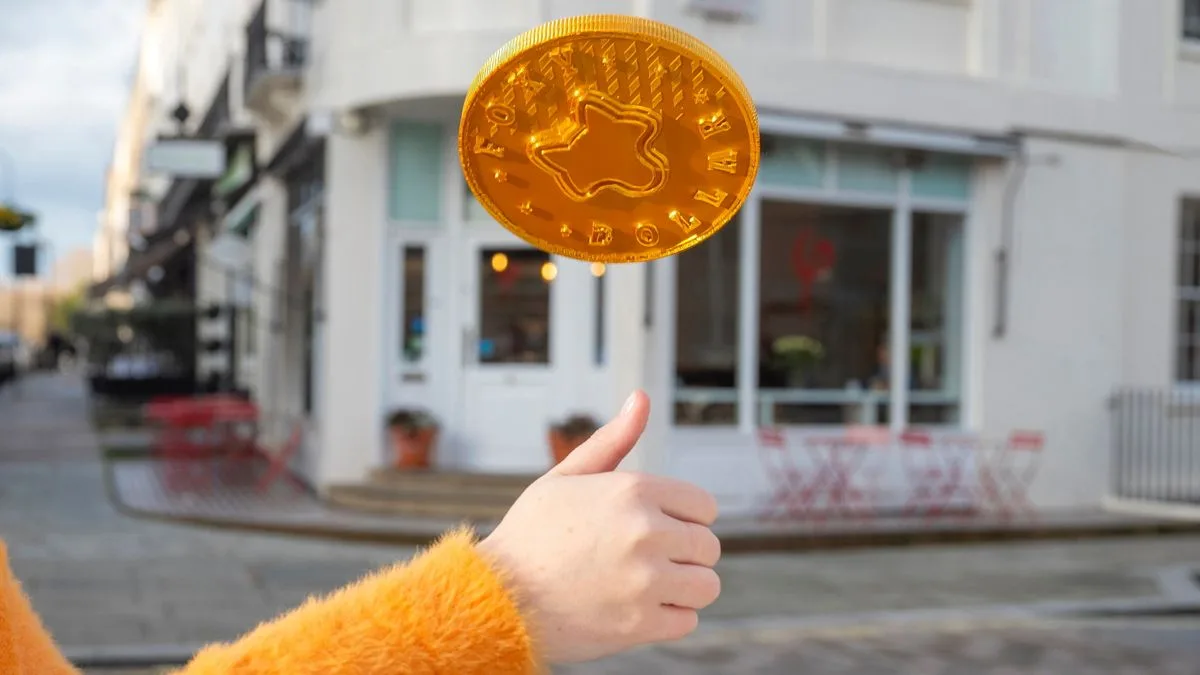
Coin Tosses Become Go-To Method for Resolving Everyday British Disputes
New research reveals that more than half of British adults have turned to the simple coin flip to settle daily disagreements, from mundane chores to entertainment choices. The study, involving 2,000 adults, highlights how this age-old method helps navigate domestic standoffs when indecision strikes.
Common Scenarios for Coin Toss Decisions
The findings show that a third of respondents most frequently use coin tosses to determine who goes first during games or activities. Additionally, 25% rely on this method to decide what programme to watch on television. Other frequent disputes resolved by flipping a coin include:
- Who tackles the washing up (17%)
- Who takes out the rubbish (17%)
- Which family member gets the front seat in the car (15%)
- Which takeaway to order
- What board game or video game to play
Psychological Insights and Preferred Choices
Interestingly, a quarter of participants admitted they secretly hope the coin lands the "wrong" way up because it actually clarifies what they genuinely wanted all along. When it comes to preferences, heads proved the most popular choice, with 44% typically selecting it compared to just 19% who regularly call tails. Meanwhile, 31% switch their choice depending on their mood at the time.
Fairness and Randomness Perceptions
The research, commissioned by online gaming platform Foxy, found that 49% of adults believe a coin toss represents a fair method of settling disagreements. However, 37% of those who used a coin to reach a decision subsequently found themselves disputing the result. Only 84% are convinced that tossing a coin is genuinely random, according to the OnePoll.com research.
Should the result not go their way, 39% admitted they'll simply toss again repeatedly until getting the outcome they want, suggesting that while coins provide a decision-making framework, human nature often seeks preferred results.
Entertainment Value and Broader Applications
Sara Jolly from Foxy, which recently unveiled its Foxy Dollars offering, commented: "Life is full of little choices and sometimes it's fun to add a playful twist. We encourage people to 'get their Fox on' and use a coin flip to bring entertainment and spontaneity to everyday moments and routine decisions."
The study was conducted alongside challenges featuring Denise Van Outen and Duncan James, whose destinies hung on coin flips. This partnership underscores how the simple act of flipping a coin can inject fun into decision-making processes.
Top 20 Disputes Settled with Coin Flips
- Who goes first in a game or activity
- What to watch on TV
- Which takeaway to order
- What board game/video game to play
- Who gets control of the TV remote
- Which film to watch at the cinema
- Who is doing the washing up
- Who takes the bins out
- Who gets the last slice/piece of food
- Whose turn it is to choose a family activity
- Which family member gets front seat in the car
- Whose turn it is to make the tea
- Which shop to go to
- Who walks the dog
- Whether to go out to the party
- What playlist/music to put on
- Which route to take when travelling
- Whether to head out on a trip for the weekend
- Who showers first in the morning
- Who's up first with the karaoke mic
This comprehensive list demonstrates the wide-ranging applications of coin tosses in British households, from practical chores to leisure activities. The research confirms that when faced with indecision, many Brits prefer to leave it to fate rather than engage in prolonged debates.