Growing Reliance on BNPL for Essential Grocery Purchases Signals Economic Distress
A significant shift in consumer behaviour is emerging as buy-now pay-later services, traditionally used for discretionary spending, are increasingly tapped to cover basic necessities. According to a recent survey conducted by QuestionPro for LendingTree, nearly one-third of BNPL users in the United States are now utilising these loans to purchase groceries. This trend underscores the mounting financial pressures households face amid persistent inflation and rising living costs.
Survey Highlights Sharp Increase in BNPL Usage for Food
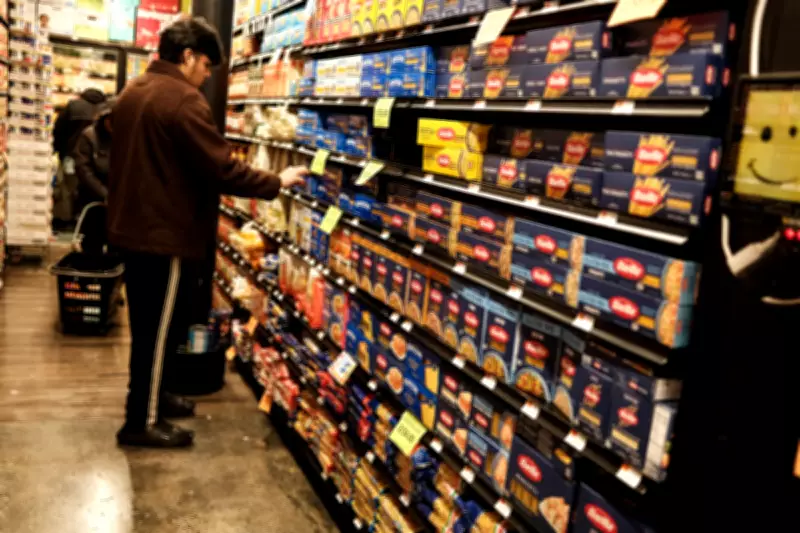
The poll, which gathered responses from over 2,000 American consumers aged 18 to 80 in March, found that 29 percent of BNPL users have employed the service for grocery shopping. This figure represents a dramatic increase, roughly double the share recorded just two years ago. The data points to a worrying economic indicator where essential items are becoming less affordable for many families.
The trend is particularly pronounced among younger generations. Among Gen Z consumers, 38 percent report using BNPL to buy food, highlighting how financial strain is disproportionately affecting younger adults. BNPL services allow shoppers to split purchases into smaller, often interest-free payments over time, but their expansion into grocery spending marks a departure from their original use for items like electronics or apparel.

Economic Pressures Drive Necessity-Based Borrowing
Experts attribute this growing dependence on BNPL to persistently high grocery prices and broader cost-of-living increases. Affordability in the U.S. has become a critical issue, with prices up approximately 29 percent since 2020, according to an NPR report. Essentials such as groceries, housing, and utilities have seen the steepest rises, leaving many households struggling to make ends meet.
The survey reveals that more than half of BNPL users, 54 percent, would be unable to cover their expenses without these services. This figure climbs to 62 percent among parents with children under 18, emphasising the acute financial challenges faced by families. Additionally, nearly half of users, 47 percent, have made at least one late payment in the past year, up from 34 percent in 2024, suggesting that many borrowers are finding it difficult to keep up with repayments.
BNPL Expansion into Other Essential Costs
Beyond groceries, Americans are turning to BNPL for other major essential expenses. The survey indicates that 13 percent of users have used the loans to help pay rent, while 15 percent have relied on them for medical, dental, or veterinary bills. This broadening application reflects the deepening financial squeeze on households, with nearly half of all U.S. households, about 49 percent, struggling to cover basic needs, as reported by the Urban Institute.
Housing affordability has become especially challenging, with the income required to purchase a home having roughly doubled since 2019, according to Realtor.com. This has placed homeownership out of reach for many, further exacerbating economic insecurity.
Risks and Financial Stability Concerns
Analysts warn that using BNPL for necessities carries inherent risks, as missed payments can lead to fees and accumulating debt. However, a February brief from the Federal Reserve Bank of Richmond suggests that the broader impact on financial stability appears limited at present. Zhu Wang, vice president for research in financial and payments systems at the Richmond Fed, noted that given its current scale and observed default rates, BNPL does not yet pose a systemic threat.
"While spillovers to other consumer credit markets are possible, there is no clear evidence of elevated stress to date," Wang added. Despite rapid growth from about $3 billion in loan originations in 2019 to over $45 billion in 2023, BNPL still accounts for just 1 percent of total credit card market volume, according to the Consumer Financial Protection Bureau.

The increasing use of buy-now pay-later services for groceries and other essentials serves as a stark reminder of the ongoing economic pressures facing American consumers. As households continue to grapple with elevated prices and tight budgets, this trend may persist, highlighting the need for greater financial resilience and support mechanisms.