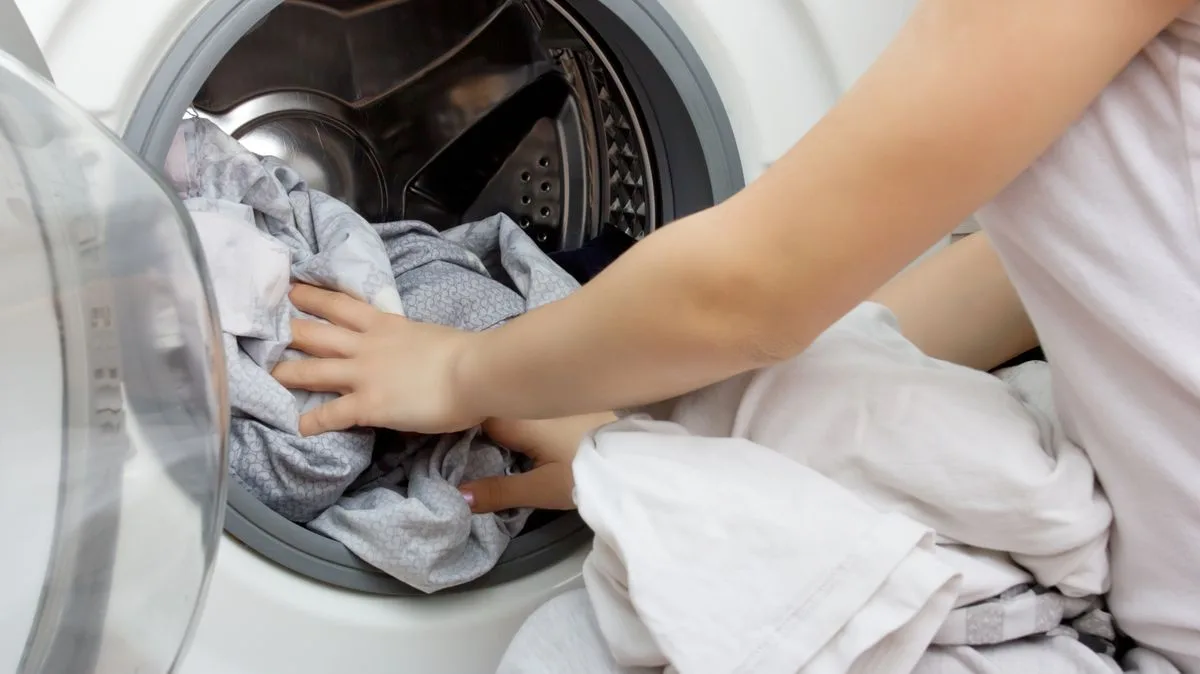
Run Washing Machine Before 4pm or After 7pm to Cut Energy Bills
Best Times to Run Washing Machine to Save on Energy Bills

With the arrival of warmer weather comes picnics and barbecues, but one downside of summer is the increased laundry load. The washing tends to multiply as social lives become busier, and while clothes dry faster in the sun, using the washing machine more frequently has the knock-on effect of higher energy bills.

Simple Strategy to Save on Energy Costs

Fortunately, Allie Ogletree, an expert from Save On Energy, has revealed a remarkably straightforward way to save money. All you need to do is be mindful of when you do your laundry. Allie explained: "Your washing machine uses the same amount of energy regardless of when you run it. However, depending on your energy provider's rates, you could still save on your energy bills by changing what time of day you do your laundry."

Cheapest Time to Use Washing Machines

Many energy companies impose extra charges if you consume more electricity during peak hours, which is when most British households are likely using more energy simultaneously. This is termed time-of-use rates (TOU). If you want to cut costs, it is advisable to check your electricity plan to discover what time of day your energy rate will be most economical.

Wide Pickt banner — collaborative shopping lists app for Telegram, phone mockup with grocery list

The worst time to do laundry is probably the late afternoon or early evening, as this is when most people finish work and start doing chores as soon as they arrive home. The energy expert continued: "A common range for peak hours is between 4pm and 7pm. So the cheapest time to do laundry for an energy plan with these higher TOU rates would be before 4pm or after 7pm."

"If you're able to do your laundry before late afternoon, you could save yourself a bit of money, though as temperatures rise, the optimum time to run your washing machine tends to be first thing in the morning. During the summer, it's cheaper to run your washer early in the morning, when your home is coolest and energy demand is lowest." More households tend to switch fans on during the afternoon to stay cool in the sunshine, which drives up energy demand and adds to your electricity bill.

Other Ways to Save on Energy

Taking the time to plan your day and scheduling your laundry for the cheapest morning slot makes it far more likely you will keep costs down. That said, the bulk of the energy consumed by a washing machine goes towards heating the water, so switching to a cold water wash cycle can also trim your bills considerably.

It remains essential to wash towels, bedding and baby clothes at a high temperature of at least 60C to eliminate germs, but everyday items such as jeans or T-shirts are perfectly fine on a cooler 30C setting. Allie said: "Sometimes using a super hot cycle on heavy duty is necessary to remove stains. For everyday wash cycles, though, avoid using settings that increase your energy consumption and stick with just a simple wash cycle."

Washing machines consume the same amount of energy regardless of how full they are, so always aim to run fuller loads, as this will help you save a little extra money in the long run.

Pickt after-article banner — collaborative shopping lists app with family illustration