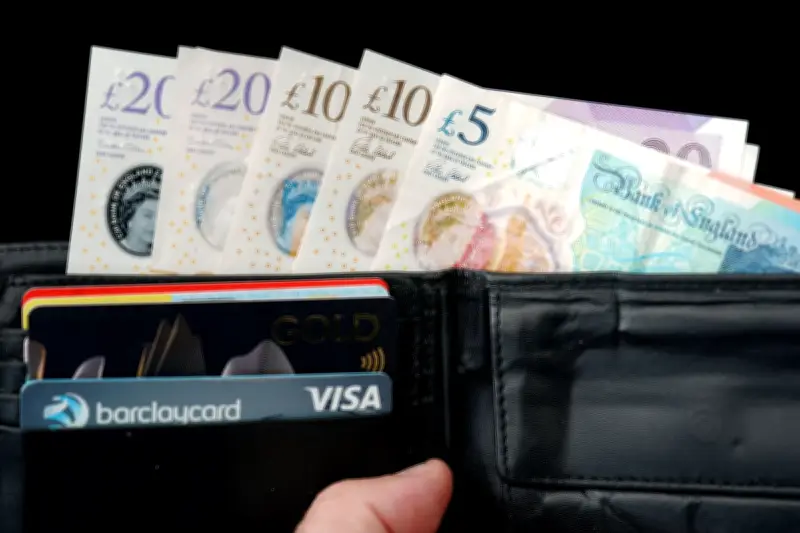
Barclaycard is marking 60 years since its credit card launched in the UK, changing people's payment habits. The launch took place on June 29 1966, in partnership with Visa. Barclays said it started with a six-page business strategy, an investment of £20,000 and a team of about 200 people working from a converted shoe factory in Northampton.
Rapid Adoption and Impact
Within 12 months, more than one million people in the UK had signed up for a Barclaycard credit card, which at the time could be used for purchases of up to £25. The bank also said the move enabled women to have access to credit without requiring a male guarantor.
Shift to Digital Payments
Since then, digital payments have brought further transformations in the way people pay. A survey commissioned by Barclays found that more than half (54%) of Gen-Zs aged 18 to 29 prefer using mobile payments for everyday in-store purchases under £100. Across all age groups surveyed, a third (33%) no longer carry cash day to day, while nearly three in 10 (29%) often leave home without a physical card, rising to nearly half (49%) of Gen-Z. And while they were once a regular part of life, more than a fifth (22%) of people surveyed said they have never used a cheque. However, physical currency remains in use across all generations, with only 1% saying they have never handled cash.
Reflections on the Revolution
Vim Maru, chief executive of Barclays UK, said: “The story of payments in the UK is one of constant reinvention, but our goal remains the same: to make paying simpler, safer and more useful for people every day.” Patricia Lancaster, who joined Barclaycard in 1966, said she remembered many people returning their cards, unsure what they would use them for. Maria Sienkiewicz, head of the Barclays Archive, said: “When Barclaycard launched in 1966, it was nothing short of revolutionary. In a country reliant on cash and cheques, the idea of paying with a piece of plastic challenged long‑held assumptions about money and spending. What began in a shoe factory in Northampton quickly changed how Britain made payments and laid the foundations for the system we now rely on today.”
The Barclays survey was carried out by Opinium Research among 2,000 people in February across the UK.