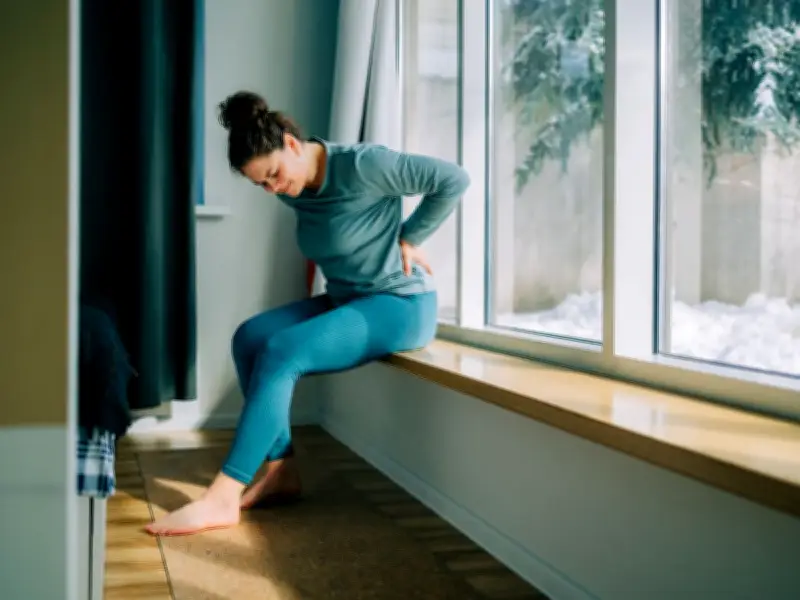
The most common back conditions that qualify for Personal Independence Payment (PIP) in Wales have been identified, with sciatica, slipped discs, and spinal stenosis among the top conditions. PIP is a benefit for people with long-term health conditions or disabilities, and back problems are a frequent reason for claims.
Top Conditions and Success Rates
According to recent data, the conditions with the highest success rates include ankylosing spondylitis, with a success rate of 78%, and spinal cord injuries, at 77%. Other conditions like sciatica and slipped discs have lower success rates, around 40% and 45% respectively.
The data also reveals that back pain, a common complaint, has a success rate of just 37%, making it one of the harder conditions to claim for. This highlights the importance of providing comprehensive evidence when applying.
How to Claim PIP
To claim PIP, individuals must have a health condition or disability that affects their daily living or mobility for at least three months, with the expectation it will continue for at least nine months. The application process involves an assessment to determine the level of support needed.
For those with back conditions, it's crucial to document how the condition impacts daily activities, such as walking, dressing, or preparing meals. The Department for Work and Pensions (DWP) uses this information to decide on the award.
Impact of Successful Claims
Successful PIP claims can provide financial support ranging from £26.90 to £172.75 per week, depending on the severity of the condition. This can make a significant difference for individuals struggling with the cost of living and the additional expenses that come with a disability.
The data serves as a guide for potential claimants, but each case is assessed individually, and the outcome depends on the specific circumstances and evidence provided.