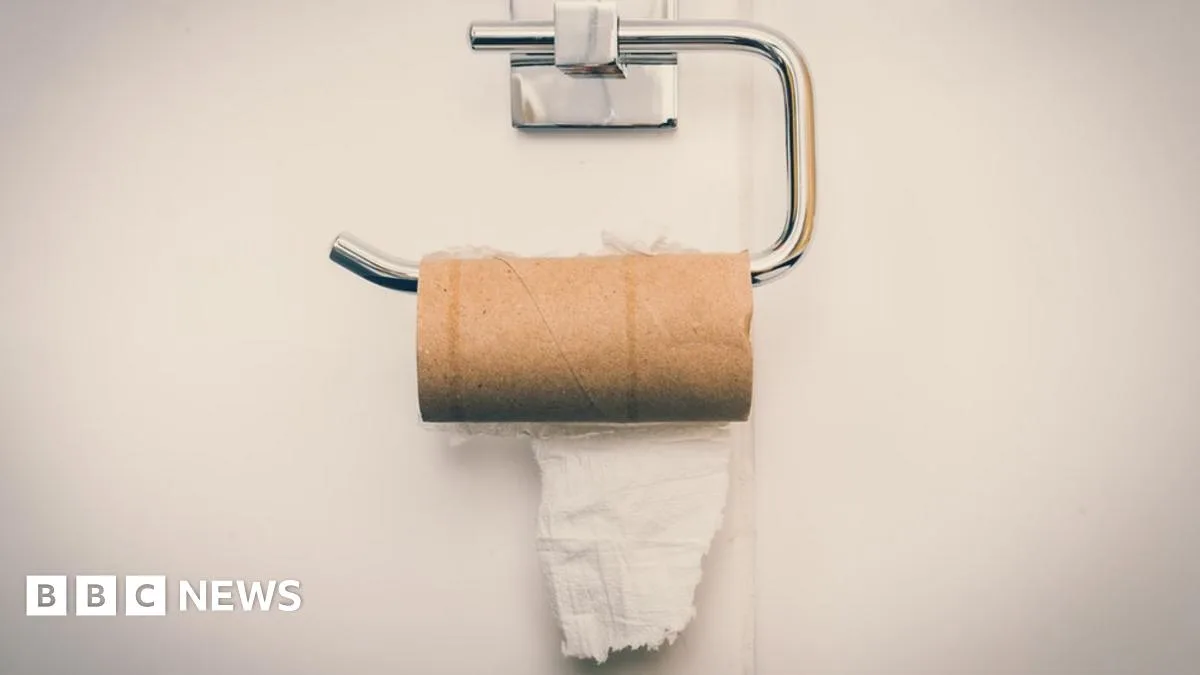
Popular Australian influencer Ashy Bines has ignited a fresh wave of controversy after posting a video to her Instagram story showing her stocking up on toilet paper and dried food supplies. The 37-year-old mother-of-two explained that her actions were prompted by growing anxieties surrounding Australia's escalating fuel crisis, which has sparked fears of transport disruptions and food shortages.
Prepping for Potential Lockdowns
In the clip, filmed during a shopping trip with fellow influencer Tijana Bundalo, Bines can be seen discussing her decision to purchase extra household items. Bundalo remarked that the pair were "prepping in case things lock down," a clear reference to the lockdown measures implemented during the COVID-19 pandemic. Bines elaborated, stating, "I don’t know if you guys have seen, it’s maybe a little bit controversial but fuel prices, the rumours are we’re gonna run out and then we’re worried that transport stops and all the food goes."
She directly alluded to the widespread panic buying witnessed in previous years, adding, "So, we’re just prepping some dried food and some toilet paper because we all know what happened a few years ago." Tijana Bundalo supported this stance, suggesting that being prepared in advance could help mitigate the "anxious energy" associated with last-minute crisis buying.
Defending Against Backlash
Seemingly anticipating criticism for potentially encouraging stockpiling behaviour, Ashy Bines later uploaded a follow-up video to clarify her position. She insisted her purchases were moderate and responsible, not an endorsement of excessive hoarding. "I don’t think there’s anything wrong in being a little bit prepared," Bines explained. "I didn’t go excessive, I bought one thing of toilet paper, I bought some tin foods, some dry foods, some extra rice crackers and an extra jar of peanut butter, it wasn’t anything excessive."
Emphasising her perspective as a parent, she concluded, "When you’ve got children I don’t think there’s anything wrong with just making sure that you’re a little bit prepped. It’s not to make anyone fearful, it’s just like mama to mama, be prepared."
National Crisis and Proposed Measures
Bines' comments emerge against a backdrop of significant national concern. Prime Minister Anthony Albanese has convened a second national cabinet meeting to discuss emergency measures addressing the fuel crisis. Proposals on the table include public transport discounts, renewed encouragement for working from home, and initiatives to promote carpooling, with state and territory premiers set to deliberate next Monday.
The severity of the situation is underscored by official reports. Energy Minister Chris Bowen informed parliament that almost 200 petrol stations across New South Wales have exhausted their diesel supplies, with at least 32 outlets completely out of fuel. In Victoria, the figure stands at 134 stations lacking one or more fuel grades.
Broader Economic Impact
The crisis is exerting pressure beyond consumer concerns. The Australian Restaurant and Cafe Association is advocating for its members to impose a temporary five per cent surcharge on customers. This measure aims to offset soaring transport and delivery costs, which are threatening the viability of hospitality businesses nationwide.
History of Controversial Posts
This is not the first time Ashy Bines has faced public scrutiny for her social media activity. She was recently condemned online for a post made in the aftermath of the Bondi terror attack. While expressing sympathy for those affected, she included a promotional link to her Rise Inside wellbeing podcast and program, which carries a monthly subscription fee of $50.
This move provoked fury among followers, with many accusing her of exploiting a national tragedy for commercial gain. Critics labelled the act "gross," "utterly disgusting," and in "bad taste," arguing that influencers should not use such events to promote businesses or products.
Ashy Bines' latest video, framed as prudent preparation, continues to walk a fine line between personal responsibility and public perception, highlighting the ongoing tensions between individual action and collective anxiety during periods of national uncertainty.