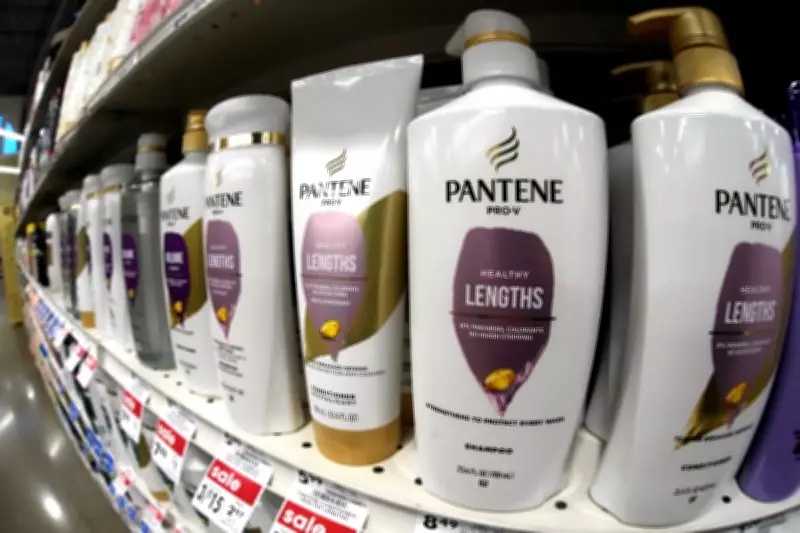
Are Expensive Shampoos Worth the Cost? Dermatologists Reveal the Truth
With shampoos and conditioners ranging from a few dollars to over $100, consumers often face a dilemma: should they stick with affordable drugstore staples or invest in premium brands? Ornate packaging and persuasive advertising can make expensive products seem like miraculous solutions to hair problems, but experts advise a more nuanced approach.
Expert Insights on Shampoo Pricing and Performance
Dermatologists emphasize that affordable shampoos found in grocery stores and pharmacies can perform just as effectively as their pricier counterparts. Dr. Crystal Aguh, a dermatologist and director of the Ethnic Skin Program at Johns Hopkins School of Medicine, highlights that it's crucial for consumers to evaluate ingredients, consider their specific scalp and hair concerns, and review their overall hair care routine. She recommends consulting a doctor when uncertain.
Premium brands may work well and often contain active ingredients that are more costly. Other factors influencing price include company size and investments in organic ingredients, sustainable agriculture, and recycled materials. However, Dr. Aguh stresses that "it's not the products, it's the process" that most impacts hair health, referring to washing frequency, dyeing, and heat treatment habits.

Tailoring Shampoo Choices to Hair Types
Dr. Aguh categorizes people into two main hair types: damage-prone and damage-resistant. Damage-prone hair includes very curly hair, chemically treated hair, and hair styled with hot tools. For these individuals, she advises avoiding shampoos with sodium lauryl sulfate as the main ingredient, as it strips sebum, a natural oil that protects hair, leading to dryness and breakage.
- Curly or dyed hair: Wash less frequently—once a week for tightly curled or coily hair, and every two to three days for wavy, dyed hair.
- Oily, straight hair: Can be washed daily as it is more damage-resistant.
She notes that mixing high-end and mass-market products is acceptable, and consumers shouldn't feel pressured to buy entire expensive lines.
Shampoo as Scalp Skincare
Dr. Joe Tung, a dermatologist at the University of Pittsburgh Medical Center, compares shampoo to skincare for the scalp, emphasizing its role in maintaining a healthy ecosystem. "Underneath the surface of the skin on the scalp is a full ecosystem with stem cells, immune cells, oil glands, and nerve endings," he explains. A balanced scalp promotes optimal hair growth, while disruptions can cause itching, flaking, excess oil, or hair loss.
When choosing shampoo, consider scalp needs; conditioners should be based on hair texture and damage level. For dandruff and itchiness, opt for shampoos that address inflammation and microbial imbalance. Dry or chemically treated hair benefits from gentle cleansers with rich conditioners.
Evaluating Luxury vs. Affordable Options
Dr. Tung acknowledges that expensive shampoos can be worth it if they contain effective active ingredients, but effectiveness stems from molecular activity, not branding. "An antifungal ingredient works because of its molecular activity, not because it comes in a luxury bottle or from a prestigious brand," he states.
Expensive shampoos often use refined conditioning agents and soothing ingredients, making frequent washing more comfortable. However, some luxury products include fragrances or botanical extracts that may irritate sensitive skin, whereas simpler formulas are better tolerated.
Sustainability in Hair Care Products
Monique Mason, owner of MOKO Organic Beauty Studio in Philadelphia, stocks organic shampoos and conditioners priced from $24 to $45. She focuses on providing products that benefit both scalps and the planet. Ingredients significantly impact price, with organic options avoiding cheap sulfates, synthetic fragrances, and parabens common in personal care items.
Mason researches brands to verify sustainability claims, considering factors like ownership, farming practices, and ingredient sourcing. "I get to know them, whether they're family-owned, how they farm, how they source their ingredients," she says.

In summary, while expensive shampoos can offer benefits, dermatologists advise prioritizing ingredients and hair care processes over price tags. Affordable options often perform equally well, and sustainability-focused brands provide eco-friendly alternatives. Always consult a professional for persistent issues like dandruff to ensure optimal scalp health.