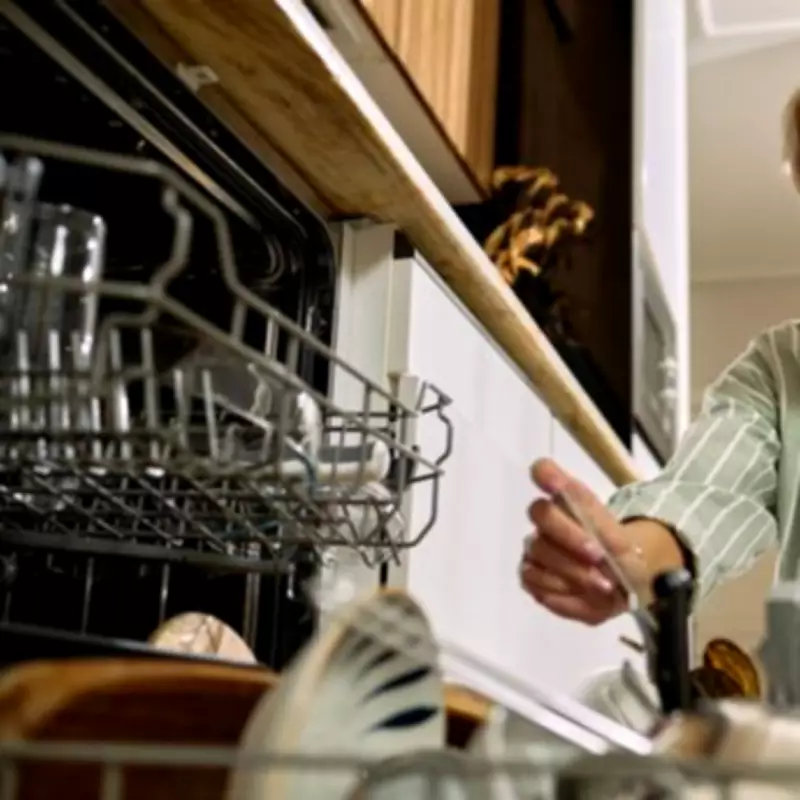
Dishwasher Damage Alert: 7 Kitchen Items Experts Say Must Be Hand Washed
The perennial kitchen debate about what belongs in the dishwasher versus what requires careful hand washing continues to divide households across the country. Families remain split over whether items like wooden spoons or premium pans can survive the dishwasher's intense cycles, or if traditional washing-up methods are essential for preservation.
To settle this domestic dispute definitively, we consulted two household appliance specialists who provided clear guidelines about which kitchen essentials handle dishwasher cycles brilliantly and which fare terribly. Both experts emphasized that establishing proper washing protocols can prevent costly damage to valuable kitchenware.
The Science Behind Dishwasher Damage
Appliance engineer David Miloshev from Fantastic Services explained how the combination of intense heat and powerful detergents found in modern dishwashers can wreak havoc on certain fragile kitchen items. The mechanical action of water sprays and the chemical composition of dishwasher tablets create an environment that's particularly damaging to specific materials.

"Many people don't realize that dishwasher conditions are designed for durable items like plates and glasses," Miloshev noted. "For more delicate materials, these same conditions cause irreversible damage that compromises both function and appearance."
The Seven Items That Must Never Enter Your Dishwasher
1. Wooden Utensils and Cutting Boards
Wooden items such as cutting boards, spoons, and spatulas absorb water during dishwasher cycles, causing them to swell, crack, warp, and eventually split as they dry out. The porous nature of wood makes it particularly vulnerable to the dishwasher's moisture and heat combination.
2. Sharp Kitchen Knives
Quality cutlery represents a significant investment that requires proper care. If you've purchased decent knives, hand washing them without exception is essential. The dishwasher's heat and detergent dull blades rapidly, while the force of water spray can knock them against racks, chipping edges or damaging the dishwasher interior itself.
3. Cast Iron Cookware
Cast iron pans and pots require special maintenance that dishwashers completely undermine. Dishwasher detergent strips away the pan's carefully developed seasoning and triggers rusting that's frequently irreversible. The protective layer that makes cast iron so effective in cooking gets destroyed in dishwasher cycles.
4. Non-Stick Pans
Similarly, non-stick cookware gradually loses its coating when subjected to dishwasher cycles. The combination of heat and detergent strips the non-stick surface over time, rendering these pans ineffective and potentially releasing harmful particles into your food during subsequent cooking.
5. Fine Crystal and Delicate Glassware
Quality crystal, delicate glassware, and fine china plates should always be hand washed. The high dishwasher temperatures and strong detergents create hairline cracks that weaken these items gradually or leave permanent clouding on glass surfaces that cannot be removed.
6. Insulated Travel Mugs and Flasks
Insulated containers lose their thermal properties when washed in dishwashers. Water seeps into the sealed layers between walls, ruining their ability to retain heat and sometimes causing unpleasant odors that cannot be eliminated. The vacuum seal that makes these items effective gets compromised.
7. Items with Glued Parts or Decorative Finishes
<Kitchenware featuring glued components, printed designs, or decorative finishes often fades, peels, or comes apart completely in dishwashers. The heat softens adhesives and strips coatings, leaving items looking worn and potentially unusable.
Proper Dishwasher Loading Techniques
Appliance repair expert Ian Palmer-Smith from Domestic & General emphasized that careful loading of dishwashers remains essential even for items that can safely withstand cycles. Proper arrangement ensures thorough cleaning while preventing damage to both items and the machine itself.

"If utensils settle together in your machine, they likely won't be cleaned properly," Palmer-Smith explained. "It's best to place knives with handles up to protect fingers from blades. Then, positioning forks and spoons handles up ensures they're cleaned properly and don't end up nesting together."
Both experts agreed that establishing clear washing protocols based on material type preserves kitchen investments and maintains item functionality. While dishwashers offer convenience for many items, recognizing which seven categories require hand washing prevents costly replacements and maintains kitchen efficiency.