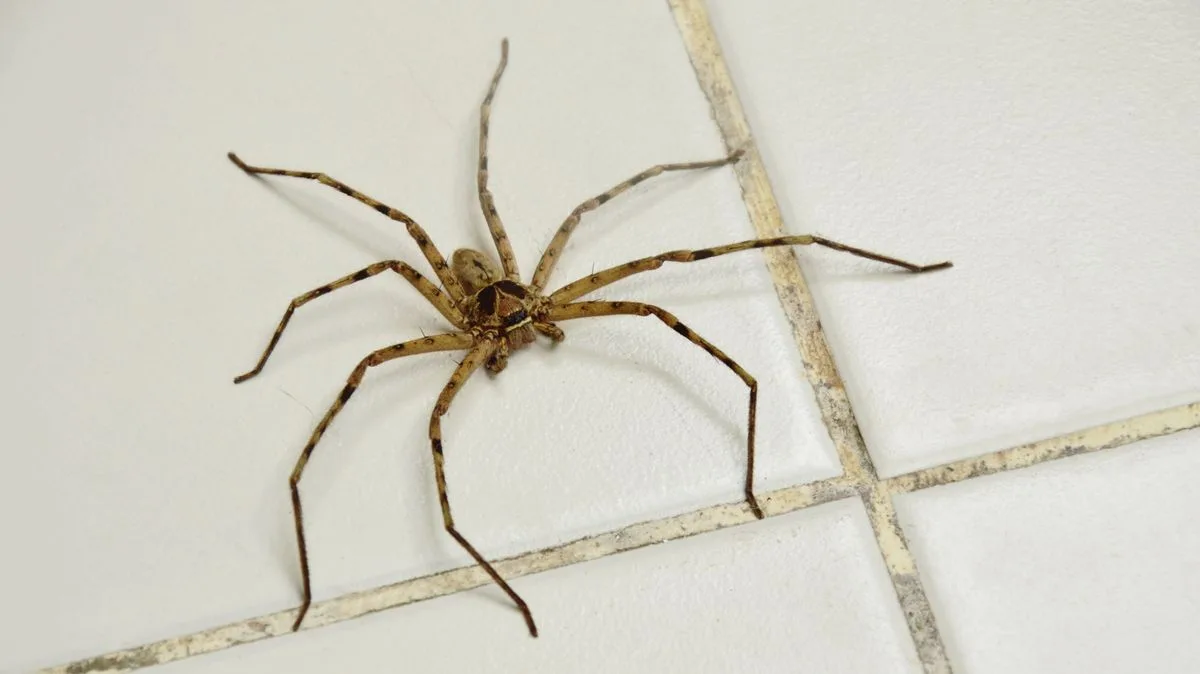
Spider season is fast approaching in the UK, and with it comes heightened activity from these eight-legged creatures. As temperatures rise, spiders emerge from hibernation, posing a potential nuisance and health risk to households across the nation.
Alarming Rise in Spider Bite Hospital Admissions
Recent data reveals a concerning trend in England, where hospital admissions due to spider bites have doubled over the past decade. Based on a freedom of information request by the Press Association, provisional NHS figures show there were 100 hospital admissions in 2025 attributed to contact with or toxic effect of spiders. This marks a stark increase from just 47 admissions recorded in 2015.
The surge is partly linked to the dramatic rise in false widow spider populations, which experts have labelled as the most dangerous spider breeding in Britain. This escalation underscores the importance of effective prevention methods to safeguard homes and families.
Expert-Backed Natural Repellents for Spider Control
Daniel Steward, Managing Director of Shield Pest Control, a firm holding a Royal Warrant for its work with the Royal Family, has shared practical and budget-friendly natural approaches to deter spiders. These methods leverage spiders' acute sensitivity to strong smells and acidity, which overwhelm their senses and encourage them to stay away.
Steward explains: A great natural spider deterrent is a mixture of white vinegar and water sprayed onto areas where spiders are commonly found. Spiders are highly sensitive to strong smells and acidity, which overwhelms their senses and encourages them to stay away. Spiders smell through their legs, making strong scents particularly effective.
The 21p Garlic Solution: A Kitchen Staple Hack
Among the most affordable options is garlic, a common kitchen ingredient costing just 21p per bulb. A four-pack of garlic at Sainsbury's retails for 87p, making it an economical choice for banishing unwelcome intruders.
To create a homemade garlic spray, crush 5-6 cloves of garlic, place them in a spray bottle, and top up with water. Allow the mixture to steep overnight, then spray it in spider-prone areas, such as corners, windowsills, and other hard-to-reach spots. Be prepared for a lingering garlicky aroma, but the effectiveness as a repellent is well worth it.
Additional Natural Deterrents and Strategies
Steward also recommends other natural repellents like peppermint oil and cinnamon, which work on the same principle of strong scents. For a longer-lasting effect, consider placing peppermint plants around your home.
To physically reduce spider populations, use a firm stiff broom or handheld vacuum cleaner to remove spider egg sacs and webs. This disrupts their habitat and helps prevent future infestations.
Creating an Uninviting Environment for Spiders
Spiders thrive in warm, damp, and undisturbed environments, making bathrooms, cluttered bedrooms, and living rooms prime targets. Steward advises using a dehumidifier to reduce moisture and decluttering to eliminate hiding spots.
Sealing cracks and gaps around windows, doors, and foundations is crucial, as spiders can squeeze through tiny openings. While many swear by conkers as a repellent, Steward notes there is limited scientific evidence to support this, so it should not be relied upon as a sole solution.
In most cases, combining natural repellents with a clean, clutter-free home is sufficient to keep spiders in check. However, if infestations become overwhelming, seeking professional pest control services is advisable.