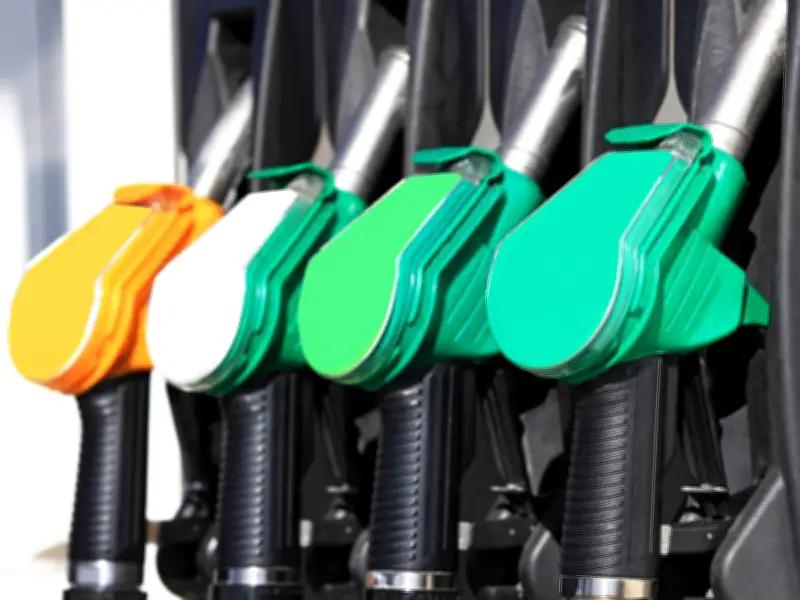
Petrol prices are heading upward once more, with global oil costs surging after renewed Middle East tensions and the increase quickly filtering through to UK forecourts. Petrol has climbed steadily in recent weeks, while diesel has risen even faster, leaving millions of motorists paying more every time they fill up.
Although the oil price is out of drivers' hands, the choice of where to buy fuel is not. In the same town, the gap between the cheapest and most expensive petrol station can be more than 10p per litre. For a household filling a 55-litre tank every week, that difference alone can add up to well over £250 a year.
Check free fuel comparison apps before you fill up
One of the biggest changes for UK drivers this year is the Government's Fuel Finder scheme, which requires petrol stations to report their prices electronically. That data now powers free websites and apps, so drivers no longer have to guess where the cheapest fuel is.
Useful options include:
- PetrolPrices: search your postcode to compare nearby petrol and diesel prices.
- RAC Fuel Watch: offers local fuel comparisons alongside expert price-trend analysis.
- Fuel Spy: a simple app showing live local prices from Government data.
- DriveScore: includes nearby fuel prices alongside driving information.
- Confused.com Fuel Finder: lets motorists compare forecourts before travelling.
Government estimates suggest that drivers who regularly compare prices rather than simply using the nearest garage could save around £40 a year, and in many areas the savings can be much higher.
Make the most of supermarket fuel and loyalty rewards
Supermarket forecourts continue to undercut many branded petrol stations. On average, supermarket petrol can be around 5p per litre cheaper than premium forecourts, which works out at roughly £2.75 saved every time you fill a 55-litre tank. Over a year, regular motorists could easily save well over £100 just by switching where they buy fuel.
Don't assume every supermarket is cheapest, though – prices still vary from branch to branch, which is why comparison apps are so useful.
One of the strongest promotions currently available is Asda Rewards. Customers spending £40 or more in participating stores can unlock a 5p-per-litre fuel voucher through the Asda Rewards app. For someone filling a 60-litre tank, that's worth up to £3 off on top of Asda's already competitive pricing.
Even if your supermarket doesn't discount fuel directly, it's still worth scanning your loyalty card. Schemes including Tesco Clubcard, Nectar and Morrisons More regularly offer bonus points promotions that can reduce the cost of future shopping, effectively putting money back in your pocket. Always check your app before heading to the checkout, as personalised offers may be waiting.
Avoid motorway services and consider independent garages
Motorway service stations remain among the most expensive places in Britain to buy fuel, with prices significantly higher than at supermarkets or independent garages just a few minutes away. If you're planning a longer journey, filling up before you leave home or making a short detour can save surprisingly large amounts.
Many motorists assume supermarket fuel is automatically the cheapest, but that is no longer always true. Independent filling stations, particularly where local competition is strong, regularly beat the larger chains. Again, comparison apps take the guesswork out of finding them.
Fill up and drive with efficiency in mind
Don't wait until the warning light comes on. When you're running on fumes, you're far more likely to pay whatever the nearest forecourt is charging. Instead, make checking fuel prices part of your weekly routine and top up when you're passing a cheaper station.
The cheapest litre of petrol is the one you never use. Driving smoothly, accelerating gently and avoiding heavy braking all improve fuel economy. Even reducing your motorway speed slightly can make a noticeable difference over longer journeys.
Check your tyre pressures once a month. Under-inflated tyres increase rolling resistance, meaning your engine has to work harder and burns more fuel. This simple job can improve efficiency and help tyres last longer.
Empty the boot of forgotten items, old pushchairs or sports kit you haven't touched for months. Extra weight means extra fuel consumption, and removing clutter is an easy way to improve efficiency, especially for town driving. Roof boxes and roof bars should also come off when not in use, as they increase drag.
Question premium fuel
Unless your vehicle manufacturer specifically recommends premium petrol or diesel, most drivers won't save enough fuel to justify the higher pump price. For the vast majority of family cars, standard unleaded remains the most cost-effective choice.
Small savings add up
Many of these tips might only save a couple of pounds each time, but together they quickly add up. Using cheaper forecourts, taking advantage of supermarket offers, driving more efficiently and avoiding expensive motorway services could realistically leave frequent drivers hundreds of pounds better off over the course of a year.
With fuel prices heading upwards again, there's never been a better time to change a few simple habits.
Vicky Parry's money-saving tip: "Fuel prices are frustrating because they're largely outside our control, but where we choose to buy fuel isn't. Checking a comparison app before filling up has become as normal as comparing insurance or energy prices. Spending just a minute finding the cheapest forecourt nearby could save enough over a year to pay for a family day out, a big food shop or several tanks of petrol."
As prices continue to rise, every penny really does count.