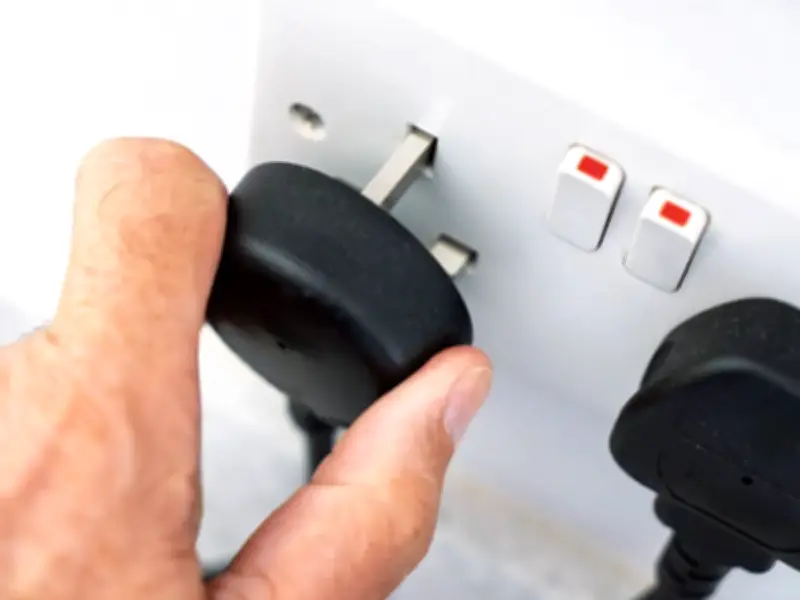
Energy specialists have revealed a straightforward method that could save households up to £140 a year. Certain everyday appliances that are routinely overlooked may be silently inflating your bills – even when you believe they're switched off.
These power-hungry gadgets are dubbed "vampire devices" due to their tendency to drain electricity while appearing dormant, quietly bleeding money from your account without you even realising.
The cost of common appliances on standby
Research carried out by energy specialists at Electric Radiators Direct has uncovered that failing to unplug just 10 common household appliances when not in use could be costing you nearly £140 annually.
The appliances you should switch off to cut costs are:
- Games console: £34.31
- Gaming PC: £22.19
- Desktop computer: £19.21
- TV: £14.41
- Speaker/Digital radio: £10.06
- Oven: £8.23
- Kettle: £5.26
- Microwave: £5.03
- Air fryer: £4.12
- Slow cooker: £4.12
How to stop the drain
To reduce your energy bills, it's crucial to fully switch off these appliances rather than leaving them on standby. Only by turning them off at the wall can you prevent them from continuing to consume electricity unnecessarily.
Energy efficiency specialist Stephen Hankinson from Electric Radiators Direct explained: "Putting something into standby mode is not the same as totally switching off a device or unplugging it. You're only really putting the device to sleep."
He added: "This means that it will be drawing out some electricity in the background, which is where the phrase 'vampire device' comes from."
Potential savings
Hankinson said: "It sounds so simple but switching your appliances off at the wall really is the best way to ensure you're not spending your hard-earned income on keeping things in standby mode."
Maintaining this habit consistently could lead to substantial savings. He continued: "The cost of a couple of coffees might not concern you however, £140 is a big food shop, two tanks of petrol or even a nice meal out. There really are much better ways to use this money than giving it to the energy companies."