
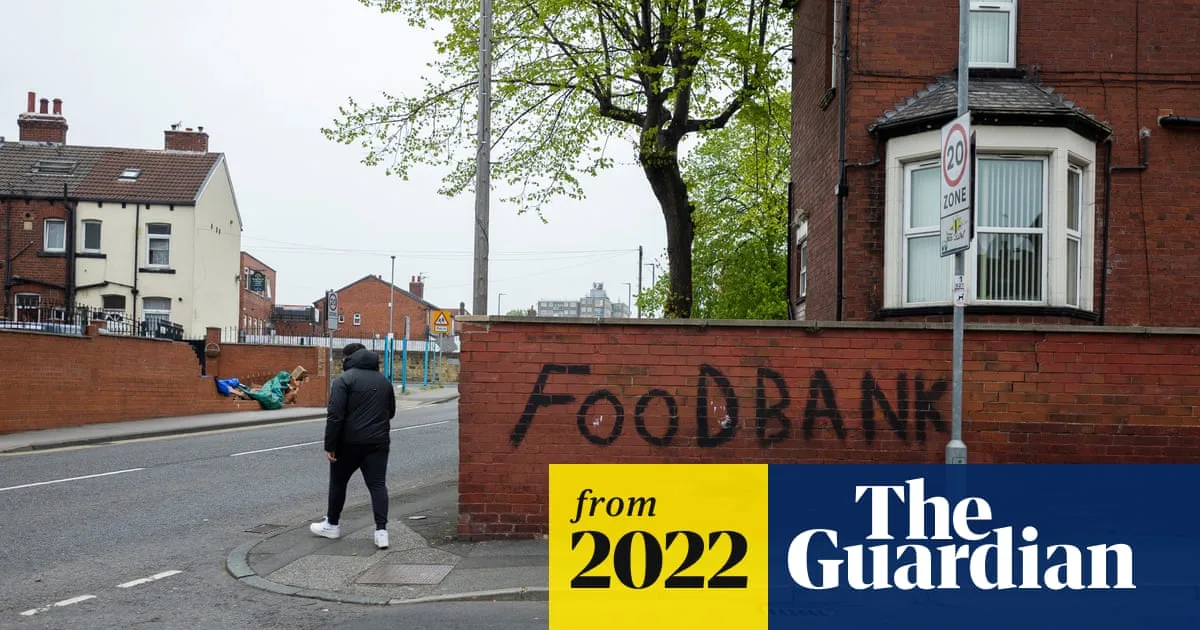
Nearly one in five UK families experienced food insecurity in September, with millions forced to skip meals or go a whole day without eating, according to new data from the Food Foundation. The charity said hunger levels have more than doubled since January, affecting almost 10 million adults and 4 million children.
The situation is worse than during the first weeks of the Covid lockdown, when 14% of households skipped meals. The rise has been driven by soaring food and energy bills, coupled with the removal of pandemic support measures. More than half of universal credit claimants are now struggling to get enough food.
Campaigners are calling for free school meals to be extended to an additional 800,000 children, after reports of hungry pupils stealing food, skipping lunch, or bringing only a single slice of bread. A separate survey by Chefs in Schools found half of primary schools are providing free meals to children in poverty who are not eligible.
Public health expert Sir Michael Marmot described the rise in hunger as “alarming”, warning of damaging health consequences including stress, mental illness, obesity, diabetes, and heart disease. The Food Foundation’s tracker also found that over half of food-insecure families are buying less fruit, and nearly half are buying fewer vegetables.
Barnardo’s charity reported that a fifth of parents surveyed struggled to provide sufficient food for their children. The government has been urged to extend free school meals to all families on universal credit and to avoid real-terms cuts to benefits, which would leave struggling families hundreds of pounds worse off.




