
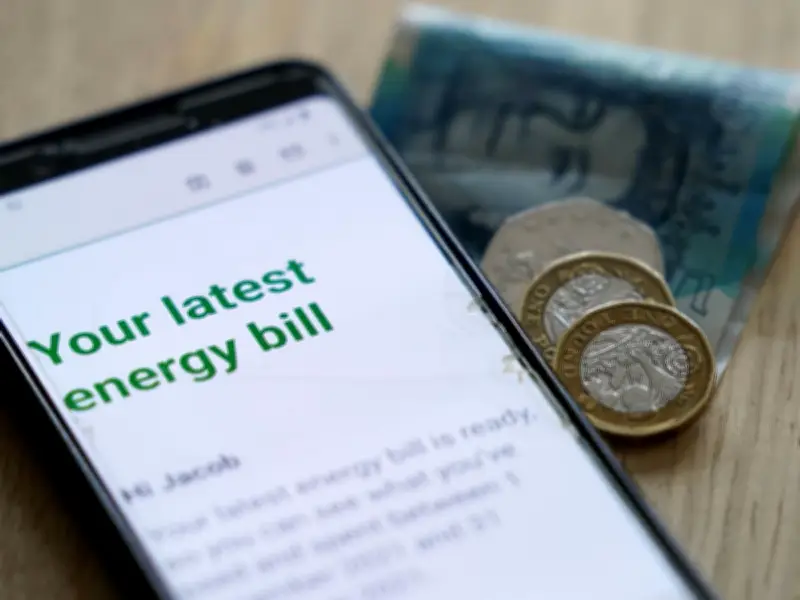
Millions of households across the UK are being urged to submit energy meter readings today (July 1) as a 13% rise in the energy price cap comes into effect. The price cap, set by Ofgem, increases the average annual bill by £221 to £1,862 a year.
Why meter readings matter
An estimated 5.3 million households on standard tariffs without a smart meter are encouraged to take action to avoid being charged for energy already used at the new, costlier rates. Submitting a meter reading ensures that energy used before the price hike is billed at the old rates, preventing overcharging.
Ofgem's price cap sets the maximum amount energy firms can charge households on standard tariffs per unit of gas and electricity. Households paying via direct debit will see electricity charges increase from 24.67p per kilowatt hour to 26.11p, while gas charges rise from 5.74p per kWh to 7.33p.
Global factors driving the increase
The surge has been largely driven by a spike in global energy wholesale prices triggered by the Middle East conflict. Prices surged after Iran responded to US and Israeli strikes by blocking the Strait of Hormuz shipping route, through which a fifth of the world's oil and gas is transported.
Uswitch energy spokesman Ben Gallizzi said: "There are two crucial things you should add to your to-do list for the coming days – submit a meter reading and get a cheap fixed energy deal. Millions of households should take a moment to read their meter at the end of the month to avoid being overcharged for their energy due to higher prices kicking in from July."
Government response
Minister for energy consumers Martin McCluskey said: "We know families are deeply concerned about rising energy bills because of a war we did not choose, and we are determined to fight their corner to tackle energy affordability. The action we took at the budget, which has taken an average £150 of costs off energy bills, is now factored into bills for the years to come. We have also expanded the Warm Home Discount scheme, which benefitted around six million households last winter and will remain in place for the rest of the decade. We will continue to monitor the situation ahead of the winter and plan for all contingencies, while doubling down on our mission for clean power to bring down bills for good."
Future outlook
The rise in the price cap comes amid projections that bills will stay elevated throughout the coming winter. According to Cornwall Insight, bills are expected to drop by just 0.5% in October compared to July, as the US-Iran 60-day ceasefire helps steady wholesale gas markets. However, the firm cautioned that contradictory reports regarding the reopening of the Strait of Hormuz, the slow progress of peace negotiations, and unclear timescales for restoring vital regional infrastructure meant prices were still high, albeit less unpredictable than during the spring.
Cornwall Insight forecast that a typical household would be facing a bill of £1,849 from October. While Ofgem is revising its definition of a typical consumer from July to account for declining household energy usage, adjusting the headline figure to £1,654, Cornwall described this as representing "little change" on a like-for-like basis.
Although July's elevated prices will be softened by milder weather and reduced household energy consumption, the October cap will take effect just as households switch their heating back on, placing greater strain on family finances.
Record debt levels
Data released by Ofgem earlier this week revealed that debt owed to energy suppliers hit a record £4.79 billion in the three months to March – representing a 5% rise on the previous quarter and 15% higher year on year. This raises serious questions over whether the Government will introduce any targeted energy assistance for the winter period.
Chancellor Rachel Reeves indicated earlier this year that she would weigh up some form of support in the autumn if required and should energy prices remain elevated. Ofgem will announce the next quarterly price cap level for October to December on or by August 26.




