
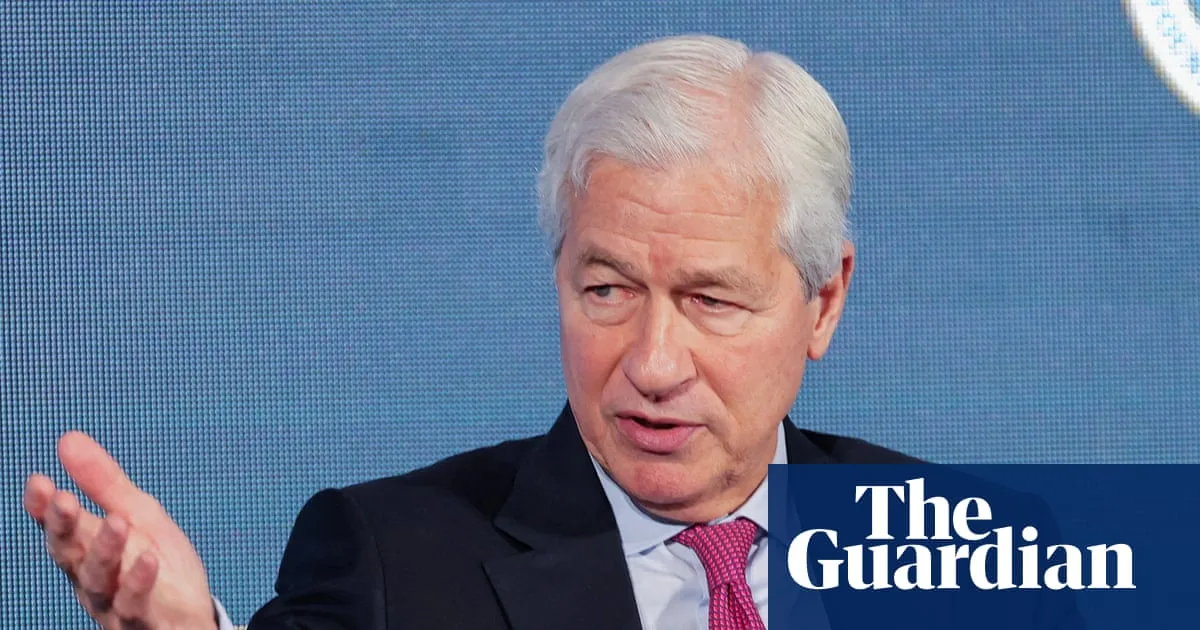
Jamie Dimon, the chief executive of JP Morgan, has warned that Donald Trump's attacks on Federal Reserve chair Jerome Powell threaten central bank independence and could ultimately push up inflation and interest rates. Speaking during an earnings call on Tuesday, Dimon said he had “enormous respect” for Powell, who recently became the target of a US Department of Justice investigation over a $2.5bn renovation of the Fed's headquarters.
“Everyone we know believes in Fed independence,” Dimon said. “And anything that chips away at that is probably not a great idea, and in my view, will have the reverse consequences. It'll raise inflation expectations and probably increase rates over time.” The comments come as ten central bank governors, including Bank of England governor Andrew Bailey and European Central Bank chair Christine Lagarde, issued a joint statement offering “full solidarity” to Powell.
Trump, who appointed Powell in 2018, has repeatedly criticised him for not cutting interest rates fast enough. On Tuesday, Trump defended his attacks, calling Powell “a bad Fed person” who has “done a bad job”. He also lashed out at Dimon, suggesting the JP Morgan boss may favour higher rates for personal gain.
Dimon's remarks were made as JP Morgan reported a 7% drop in fourth-quarter profits to $13bn, partly due to a one-off cost from acquiring a credit card partnership with Apple. The deal was announced days before Trump called for a 10% cap on credit card interest rates, which has hit shares in major credit card providers.
JP Morgan's chief financial officer, Jeremy Barnum, warned that such a cap could lead to widespread loss of credit access, particularly for those who need it most. “People will lose access to credit, like on a very, very extensive and broad basis, especially the people who need it the most,” he said, adding that it would be a “severely negative consequence for consumers and the economy”.




