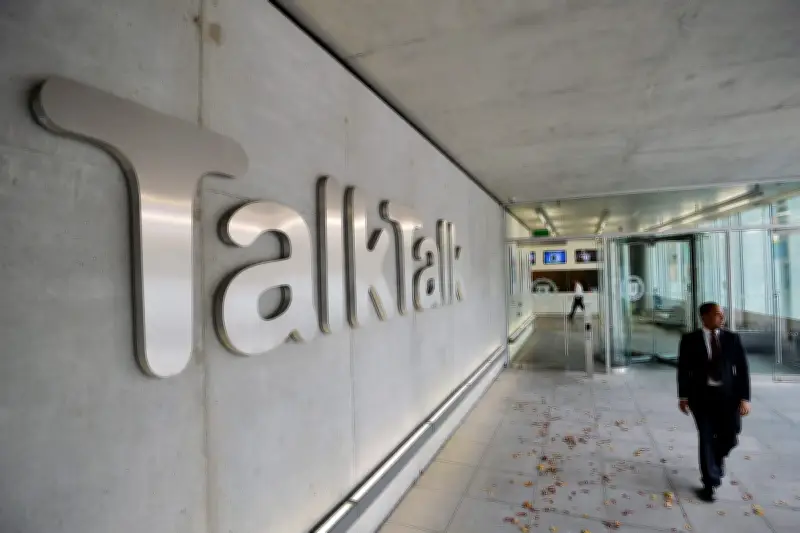
TalkTalk has said it remains in “advanced discussions” with potential buyers of its consumer and broadband businesses as the troubled telecoms firm races to secure its future.
Britain’s fourth-largest broadband provider said it was in the final stages of agreeing sales for its two divisions as speculation swirls that it could be heading for administration if it cannot reach agreement on deals.
It said: “The company is now in the final stages of its sales process for the business and expects to conclude both transactions imminently.”
Talks with bidders
The debt-laden firm reportedly employs around 900 staff and has about 1.5 million customers.
It is understood the group is still progressing talks with rival Opus Broadband over a possible deal for the consumer arm TalkTalk, as well as discussions with Octopus Investments for its wholesale business PXC reportedly at around the £300 million mark.
But a period of exclusivity with both bidders ended in recent days amid reports that Opus had halved its offer for the consumer arm to £100 million amid complex discussions, leading to worries that sales could fall apart and see the company collapse into administration.
Government and national security
The Government has been in contact with TalkTalk over the sales, given its role as a major broadband provider to households and businesses, as well as telecoms services to the Ministry of Defence.
It is believed that national security networks are partly dependent on TalkTalk’s PXC systems, though the MoD is said to have contingencies in place to ensure it is not reliant on one provider.
History and market pressures
TalkTalk was founded by Sir Charles Dunstone in 2003 as a subsidiary to Carphone Warehouse.
Its shareholders, including chairman Sir Charles and lender Ares Management, are thought to also be involved in discussions and could pump in more cash should deals with Opus and Octopus fall apart.
The sales are complicated by the fact the consumer business is dependent on infrastructure controlled by PXC. A deal to sell PXC was therefore needed to secure the sale of the TalkTalk consumer business.
Sir Charles, who is still a major shareholder in TalkTalk, backed a £1.1 billion deal to take TalkTalk private in December 2020, led by its then second largest investor, hedge fund Toscafund, and private equity firm Penta Capital.
This saw it delist in 2021, ending an 11-year tenure on the London market, but also left it saddled with debt.
The firm has also struggled amid an increasingly competitive market in recent years, with so-called altnet challengers entering the fray and under-cutting many of the established providers.