
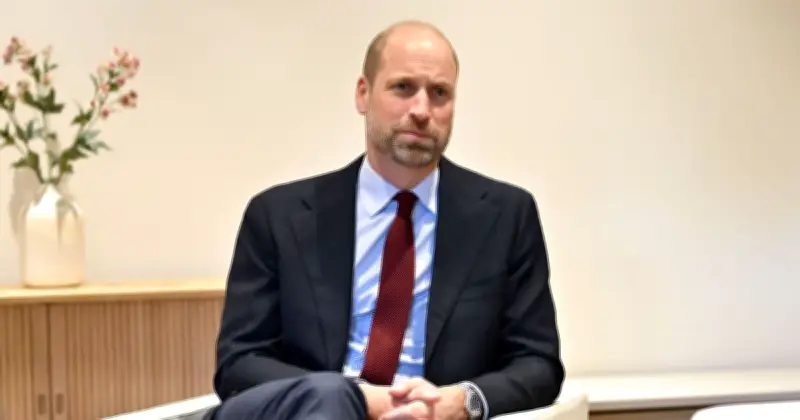
Prince William has released his personal tax contributions for the first time, showing that he has paid over £20 million to HMRC since becoming the Prince of Wales in September 2022. The Prince had previously been reluctant to reveal the amount of tax he paid, but he is understood to have changed his mind over the past year.
Royal Tax Transparency
His father, King Charles, has also disclosed his tax payments, becoming the first monarch to do so in a bid to improve "transparency and accountability." Sources close to the King said his tax decision was "another step forwards in the evolution and modernisation" of the monarchy and reflected the Palace's acknowledgment that "there is a premium on transparency."
Prince William's Tax Bill in Full
William receives income from the Duchy of Cornwall, a billion-pound hereditary estate that includes The Oval cricket ground and provides the heir to the throne with funds independent of the monarch. He pays tax voluntarily on this income, which totalled £21.6 million from the Duchy during 2025-26. The figure released by Kensington Palace is a combined total of income and capital gains tax paid by the Prince. They do not provide individual figures for the two and instead release a combined total of the two payments.
- 2024-25 tax year: Total tax paid = £7.76 million
- 2023-24 tax year: Total tax paid = £8.34 million
- Total since the King's accession in September 2023 = over £20 million
King Charles's Tax Contributions
The King has paid more than £30 million in tax since he became monarch in September 2022. In 2024-25 he paid £12.9 million to HMRC and £11.7 million in 2023-24. Charles voluntarily pays income tax on all his private income, capital gains tax on relevant elements of his assets, and inheritance tax under arrangements agreed by the late Queen that first came into effect in 1993. The King’s private sources of income could include money from investments or trading profits, funds generated by his private estates of Balmoral and Sandringham, and private savings.




